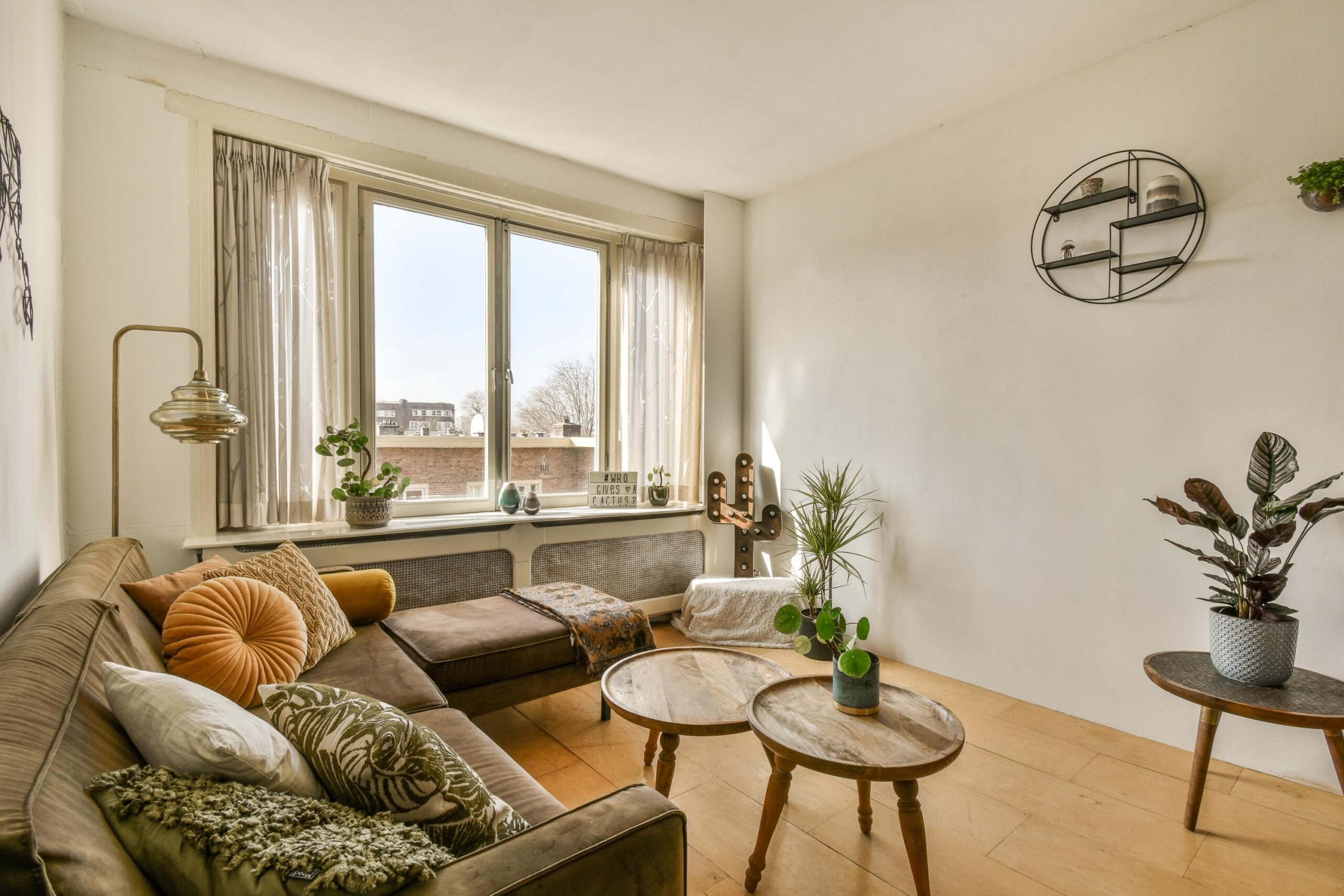
Living in a small home does not mean living with less. It means designing smarter. The difference between a 500 sq. ft. space that feels cramped and one that feels open and intentional comes down to a handful of decisions made consistently throughout the room. Get those right, and the square footage almost stops mattering.
Here are the small house interior design ideas that actually work, without requiring a renovation budget or a complete furniture overhaul.
Key Takeaways
- Create Visual Continuity: Use a single light, neutral palette across walls, ceilings, and trim. This seamless look prevents the eye from catching on “borders,” making a 500 sq. ft. room feel significantly more expansive.
- Mirrors as Architectural Tools: Instead of using mirrors for decor, place them opposite windows or use floor-to-ceiling panels to physically double the natural light and “push back” the walls.
- Prioritize Furniture “Breathability”: Select low-profile pieces with exposed legs. Seeing the floor continue beneath your sofa or bed creates a sense of open space that bulky, floor-length furniture blocks.
- Smart Zoning with Glass: Replace solid partitions with glass panels or open shelving. This defines different areas of the home without cutting off sightlines, maintaining a sense of depth throughout the layout.
- The Power of Editing: No design strategy can overcome physical clutter. Keep surfaces clear and curate your belongings so that every item has breathing room, ensuring the space feels intentional rather than cramped.
A small home is not a design problem to be solved. It is a constraint that, handled well, produces rooms that feel more considered and intentional than spaces three times the size. The challenge is not square footage; it is the handful of decisions that either work with a compact layout or fight against it. Light, scale, reflection, and restraint do more for a small room than any renovation. The ideas in this guide are built around those principles. None of them requires knocking down walls or replacing everything you own. They require knowing what to prioritize and why.
Start with Light Colors on Every Surface
The fastest way to make a small room look bigger is to stop using dark colors on your walls. Light, warm neutrals such as soft white, warm ivory, pale greige, or muted sage reflect natural light back into the room rather than absorb it. This creates the illusion of more space before you move a single piece of furniture.
The trick is to carry the light color through the ceiling and trim as well. When walls, ceiling, and trim read as one continuous tone, the eye cannot find where the room ends. That seamlessness adds perceived square footage without changing a single dimension.
Use Mirrors Strategically, Not Decoratively
Most people treat mirrors as a finishing touch. In small house interior design, mirrors are a structural decision. A large mirror placed opposite a window doubles the natural light in the room and creates the impression of depth that simply does not exist otherwise.
Floor-to-ceiling mirrors on one wall of a narrow living room or bedroom can visually widen the space by several feet. Mirrored cabinet fronts in a small kitchen serve the same purpose while staying functional. The goal is not glamour. The goal is optical expansion.
Choose Furniture That Does More Than One Job
In a tiny home interior, every piece of furniture should earn its place twice over. A storage ottoman replaces a coffee table and a storage unit. A bed with built-in drawers removes the need for a separate dresser. A fold-down wall desk keeps the living area clear when work is done for the day.
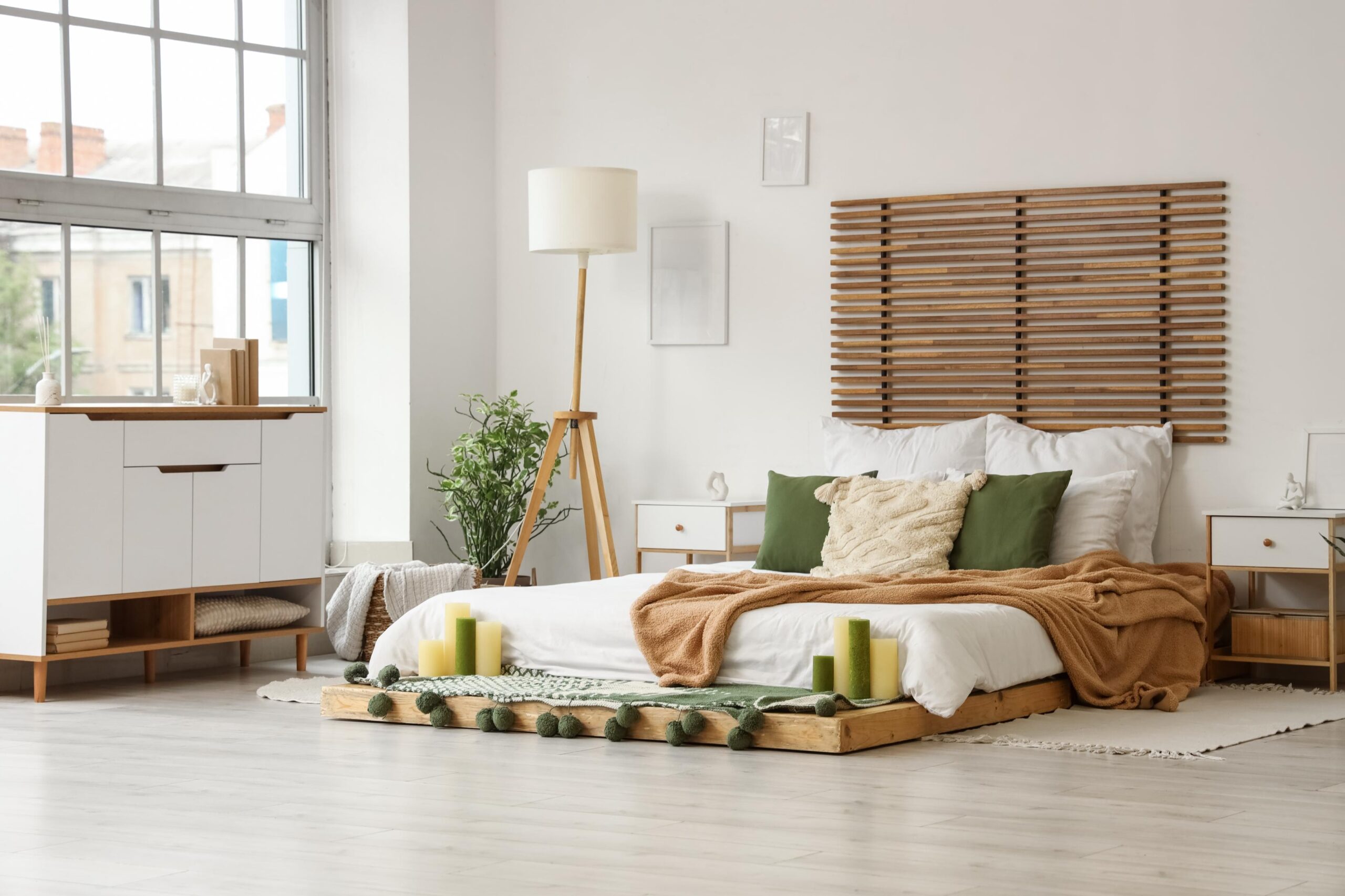
Beyond multifunctionality, scale matters. Oversized sofas and bulky wardrobes shrink a room. Low-profile furniture with visible floor space beneath keeps the room feeling open. Legs on sofas and chairs are a small detail that makes a big visual difference in small-apartment design.
Bring in Glass and Open Partitions
One of the more underused small house interior design ideas is the glass partition. If your layout includes a separate kitchen, study nook, or sleeping area, replacing a solid wall or door with a glass panel keeps the zones defined without blocking light or sightlines.
Open shelving works on the same principle. A bookshelf that does not reach the ceiling preserves the upper portion of the wall as visual breathing room. Furniture with open bases and glass-topped tables allows the eye to travel through rather than stop, which is exactly what you want in a compact space.
Control the Light at Every Hour
Natural light is the single most powerful tool in making small rooms look bigger. Keep window treatments light and minimal. Sheer curtains hung close to the ceiling and extending to the floor draw the eye upward and make windows appear larger than they are.
In rooms with little natural light, layered artificial lighting does the job. A combination of ceiling light, floor lamp, and a couple of wall sconces removes the flat, shadowless quality that makes small rooms feel like they are closing in. Warm bulb temperatures between 2700K and 3000K keep the space feeling inviting rather than clinical.
Keep It Edited
The final and most overlooked principle of small apartment design is restraint. A small space with thirty well-chosen objects feels curated. The same space with sixty objects feels cluttered, regardless of how good each individual piece is.
Edit your shelves, clear your surfaces, and give each wall a clear focal point. Small house interior design ideas only work when there is enough visual quiet for them to land.
The goal was never to fake more space. It was to use the space you have so well that the square footage no longer feels like a limitation.
FAQs
Q1. What is the single most effective thing I can do to make a small room look bigger?
Start with your wall color. Light, warm neutrals – soft white, pale greige, warm ivory – reflect natural light back into the room rather than absorbing it. Carry that same tone across the ceiling and trim so the eye cannot find where the room ends. This seamlessness creates the perception of space before you move a single piece of furniture.
Q2. Where should I place mirrors in a small home?
Place mirrors opposite windows rather than on random walls. This doubles the amount of natural light entering the room and creates an impression of depth that would not otherwise exist. In narrow rooms, a floor-to-ceiling mirror on one wall can visually widen the space by several feet. In a small kitchen, mirrored cabinet fronts serve the same purpose while staying functional.
Q3. What kind of furniture works best in a small space?
Look for two things: multifunctionality and low profile. A storage ottoman that replaces a coffee table and a storage unit, a bed with built-in drawers, or a fold-down wall desk all earn their place twice over. Beyond function, avoid bulky, floor-length pieces. Furniture with visible legs allows the eye to travel across the floor rather than stop, which keeps the room feeling open.
Q4. How do I divide areas in a small home without making it feel more cramped?
Use glass panels or open shelving instead of solid walls or doors. Glass partitions define zones – a kitchen, a sleeping area, a study nook – without blocking light or sightlines. Open shelving that does not reach the ceiling preserves visual breathing room above. The goal is to let the eye travel through the space rather than stop at a solid surface.
Q5. How many decorative objects are too many in a small space?
There is no fixed number, but the principle is clear: every surface and shelf needs breathing room. A small space with thirty well-chosen objects feels curated. The same space with sixty feels cluttered, regardless of how good each individual piece is. Edit regularly, keep surfaces clear, and give each wall a single focal point. Restraint is not minimalism – it is what allows every design decision you have made to actually be seen.