Key Takeaways
- Distemper, emulsion, and texture paint all support a strong Indian living room color combination; the right combo just shifts depending on your finish and budget.
- Two color combinations for living room walls work best when one shade covers most of the room and the second is kept to a single accent wall.
- Room direction changes how a color reads on your wall; a combination that looks great in a south-facing hall can feel completely different in a north-facing one.
- Repaint frequency, not just the price per liter, is what actually determines your long-term cost.
Most guides on Indian living room color combination ideas hand you a list of pretty pairings and stop there. What they skip is the part that actually matters: your budget, and how that budget changes, which combination will genuinely work in your space. This guide is organized by how much you can spend, so you know exactly which pairing fits your wall finish and which to skip.
Why the Combination Matters More Than the color
A single color rarely makes or breaks a room. It is the combination that decides whether a living room looks intentional or accidental. Most homeowners pick two colors they like individually, without checking how those colors behave together when light falls on them at different times of day.
A good combination does three things: it works with the natural light your room gets, it complements the furniture and flooring you already own, and it suits how the room is actually used. Keep this in mind as you move through the budget tiers below, since the same color can look very different depending on the finish it is applied to.
Tight Budget: Distemper and Single-Wall Accents
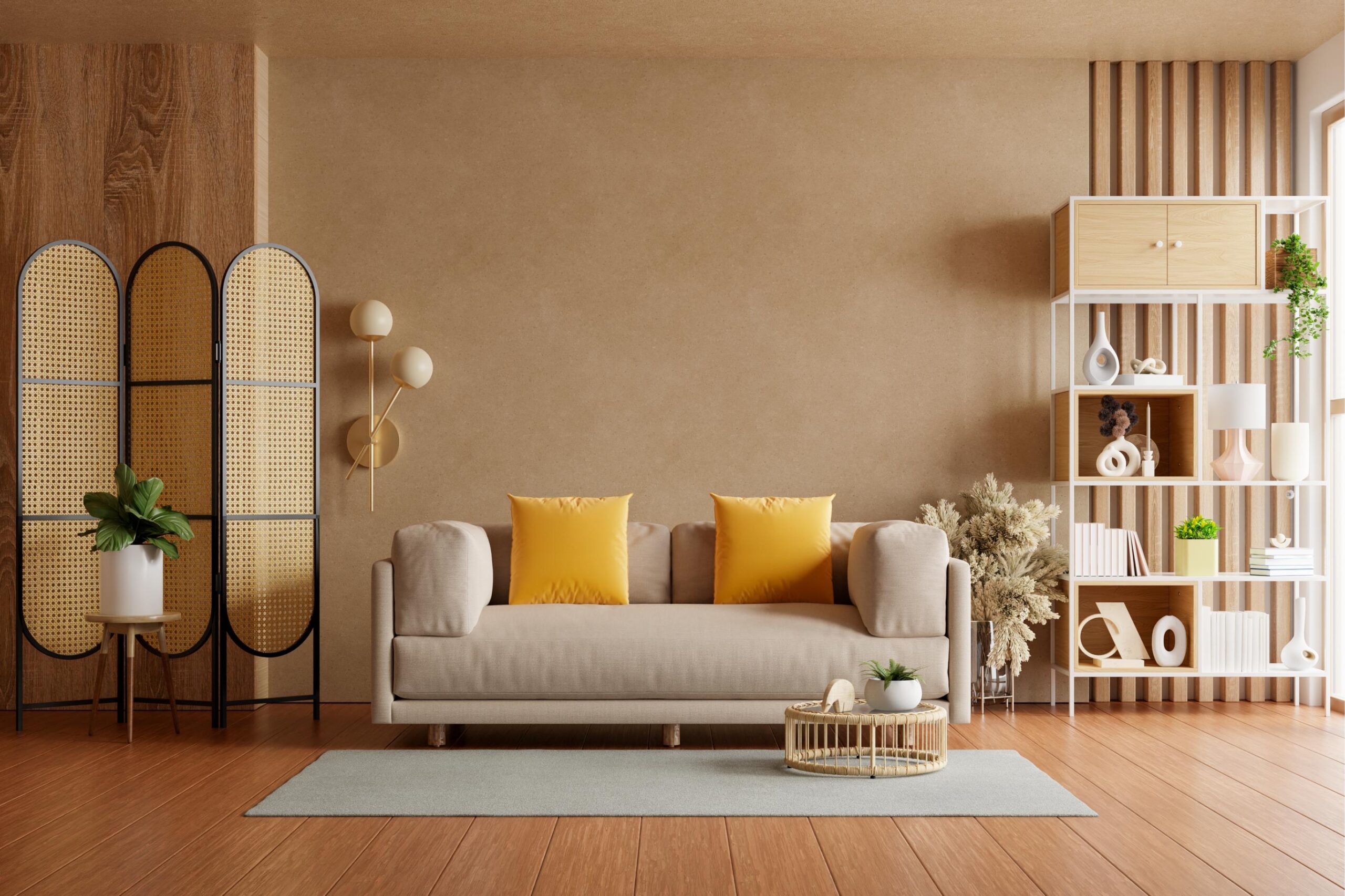
Distemper is the most economical wall finish available, and it still lets you build a proper two-tone look if you keep the approach simple.
One base, one accent wall. Pick a single base color for three walls and reserve your second color for one accent wall, ideally the wall behind the sofa or TV unit, since that is the wall people actually look at most. This single change does most of the visual work without touching the rest of your paint budget.
Ivory base with a mustard or terracotta accent. This pairing leans warm and forgives uneven light, which matters because distemper does not reflect light as evenly as emulsion. It also pairs easily with whatever furniture color you already own, so you are not forced into buying new upholstery alongside new paint.
Light grey base with a deep teal accent wall. Distemper’s slightly matte texture softens teal, so the color reads as rich rather than harsh. This combination tends to photograph well, too, which matters if you are documenting the renovation for family or social media.
Cream base with a soft olive green accent. Olive hides minor wall imperfections better than brighter shades, making it one of the more practical living room color combination ideas for a tight budget, especially in older homes where walls are not perfectly smooth.
Know the real cost. Distemper typically needs repainting every two to three years because it is more porous and shows wear faster in Indian humidity. That is not a reason to avoid it; it is just a reason to plan your repaint cycle from the start so it does not come as a surprise expense.
Mid-Range Budget: Emulsion and Proper Two-Tone Walls
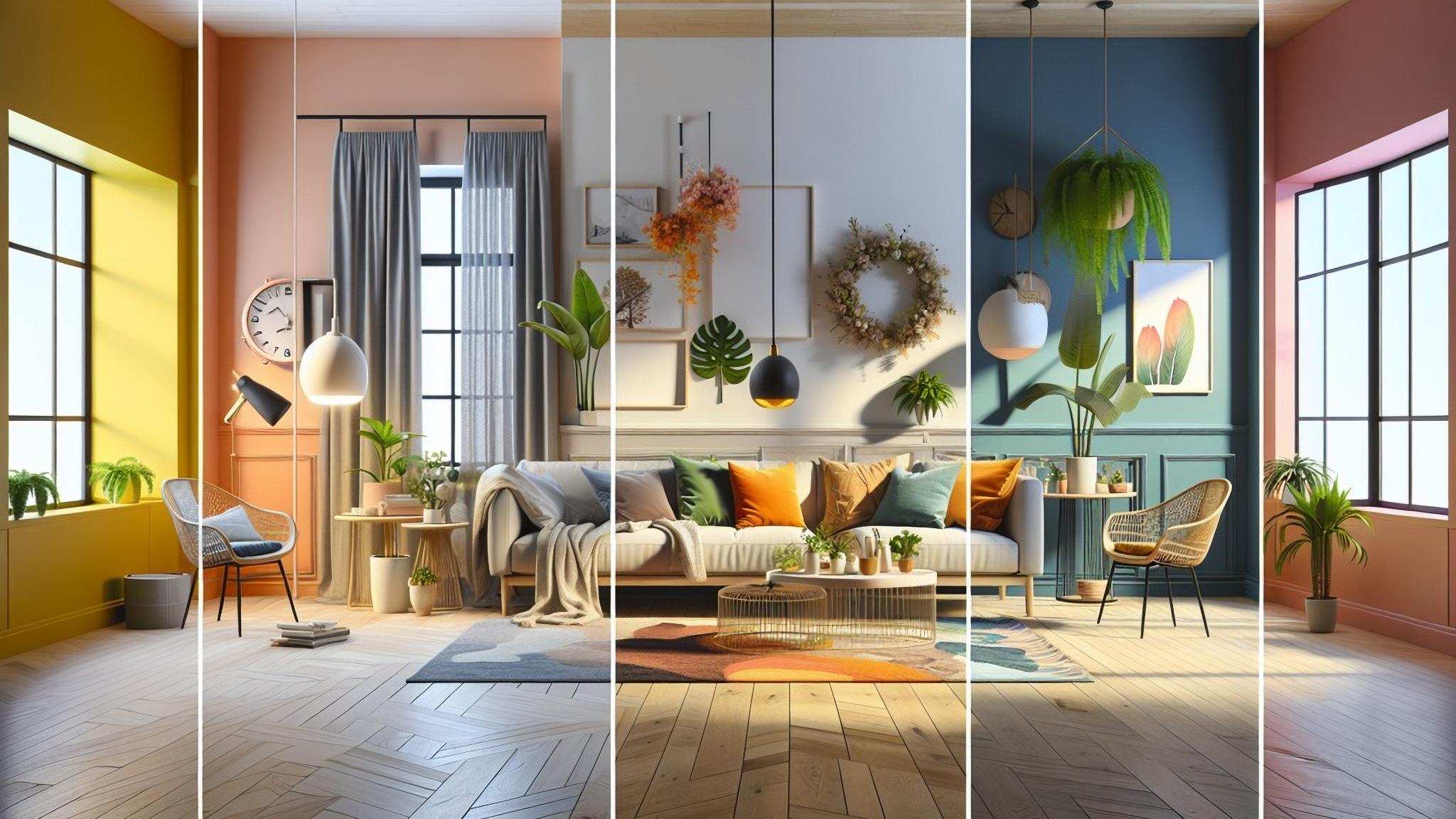
Emulsion is where most Indian homeowners land. It is washable, holds color better under sunlight, and gives you room to do a genuine two-color combination for living room walls, not just one accent wall, but a real split across adjoining walls.
At this tier, the direction your living room faces matters more than most color guides admit.
North-facing rooms need warmth. North light is cooler and indirect for most of the day, so warm beige with soft brown, or dusty pink with off-white, keeps the room from feeling flat. Avoid cool grays here unless you are pairing them with warm wood furniture to balance the room’s temperature.
South or west-facing rooms can go cooler. These rooms already get strong, warm light, so grey with white or sky blue with white balances out the heat rather than adding to it. This is also where bolder blues tend to hold their color best without fading prematurely.
East-facing rooms hold tone well through the day. Sage green with cream, or lavender with light grey, stay consistent from bright morning light into the evening without shifting too warm or too cold. These rooms are the most forgiving when it comes to color choice, so you have more flexibility here than in any other orientation.
This direction-based approach is missing from almost every other guide on this topic, and it is one of the most useful checks you can do before finalizing a combination, since a pairing that looks perfect in a south-facing showroom photo can look completely different in your own hall.
Try monochromatic grey for a modern look. Different shades of the same grey across the walls, with one slightly darker accent wall, is a reliable modern living room color combination. It ages well and does not compete with furniture or art added later, which makes it a smart pick if you plan to redecorate frequently without repainting.
Premium Budget: Texture and Layered Neutrals
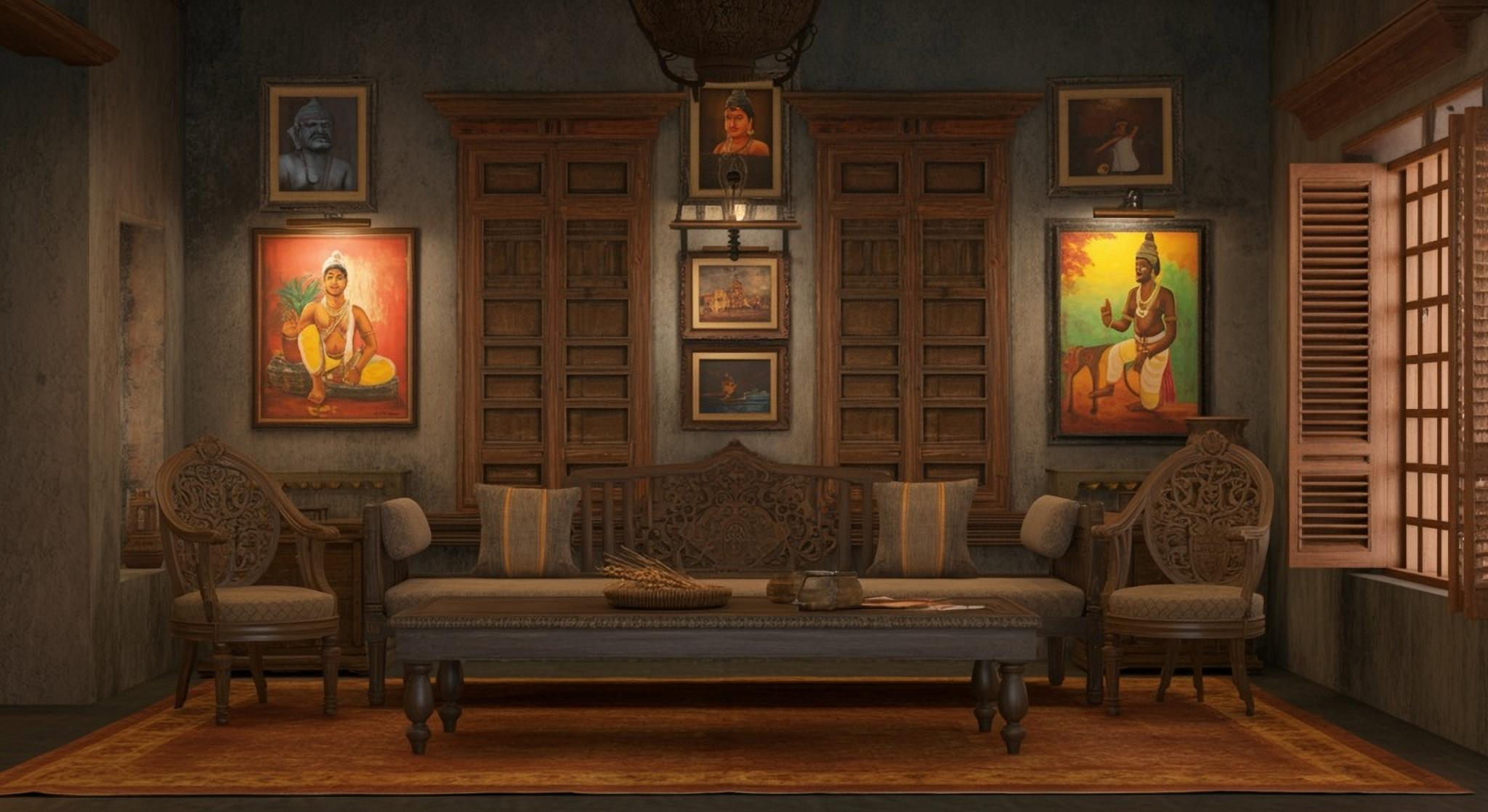
A higher budget opens up texture paints, designer finishes, and statement walls, but it also raises the risk of overdoing it. The biggest mistake at this tier is combining too many bold elements at once. Pick one hero element and let the rest of the room stay quiet.
Deep green with brass or gold accents. Works particularly well in larger halls with warm wood flooring, where the green has enough room to breathe without overwhelming the space. Keep the gold limited to hardware, frames, or a single light fixture rather than spreading it across the room.
Charcoal or navy on a single textured wall. Pair this with soft white or warm grey on the remaining walls. You get drama without committing the whole room to a dark color, which matters in smaller apartments where dark walls can shrink the perceived space.
Layered neutrals with no bold color at all. Greige walls, warm taupe upholstery, and walnut-brown furniture create a tonal, high-end look without a single statement shade. This look has been gaining traction because it photographs as polished without trying too hard.
Add a textured panel instead of painting the whole wall. Stone-look or wood-look paneling on a section of one wall, rather than floor-to-ceiling, gives the same premium feel at a noticeably lower cost than full coverage. This works particularly well behind a TV unit where the panel does not need to extend the full height of the room.
Spend on one wall, not four. Texture finishes cost more largely because of labor, not just material. A single textured accent wall delivers most of the visual impact of a fully textured room, at a fraction of the price.
Trending Living Room color Combination for 2026
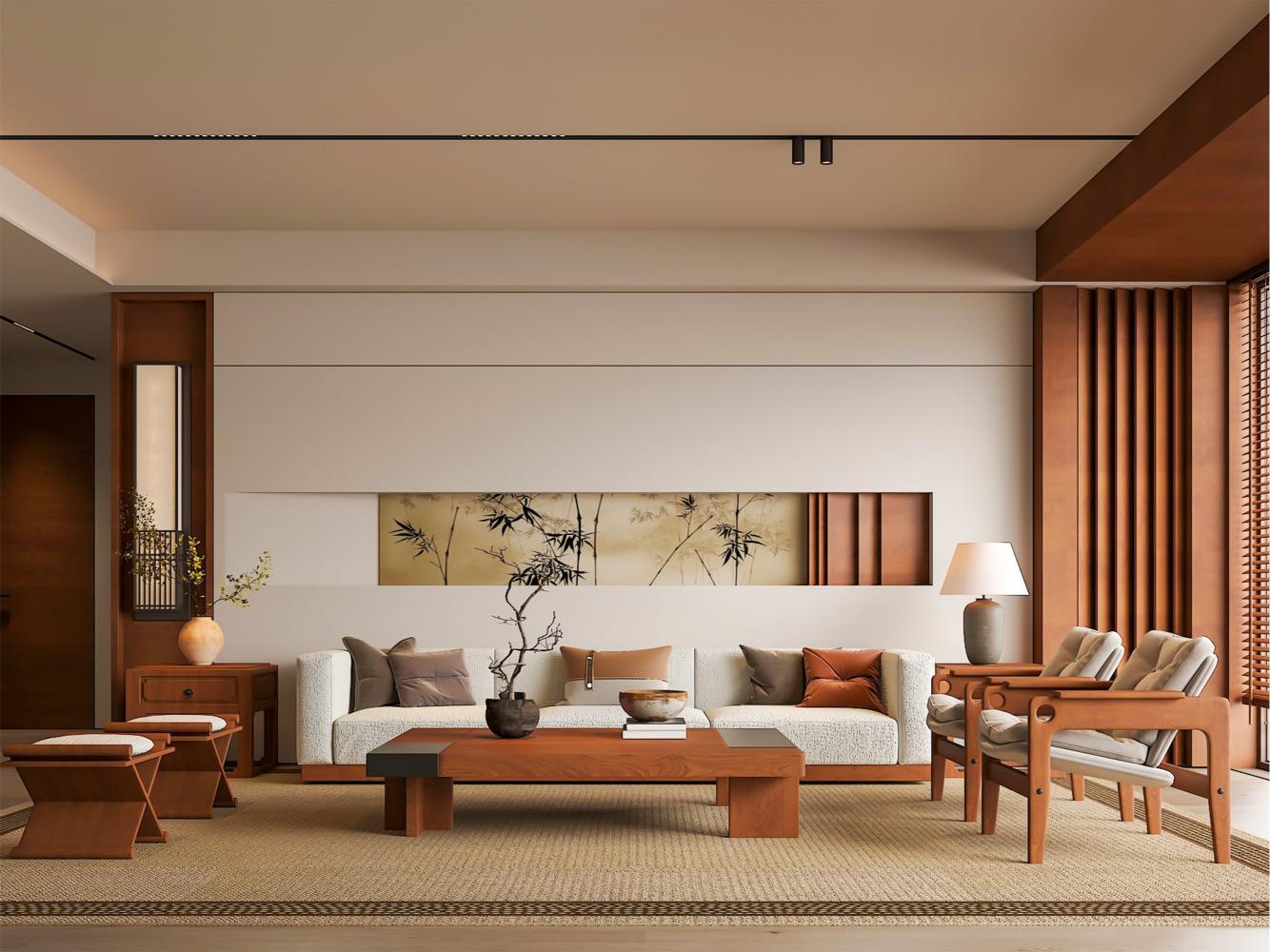
The shift this year is away from high-contrast pairings like black and white, or bold color blocking, toward muted, layered palettes with warmth.
Sage green with warm beige. Soft, current, and works across every budget tier from distemper to premium texture. It is also one of the easiest combinations to match with existing wooden furniture.
Greige with soft white. A grey-beige hybrid that reads as quietly expensive without leaning cold. This pairing works particularly well in homes that get mixed light through the day, since greige does not shift as dramatically as pure grey or pure beige would.
Muted terracotta with cream. Earthy without feeling heavy and forgiving of everyday wear, making it a practical choice for living rooms that double as family spaces rather than formal sitting areas.
Dusty blue with warm white. Calm without going cold, and works well in rooms with limited natural light, since the warm white keeps the overall feel bright even when the blue leans muted.
None of these combinations is loud, and that is the point. They also work across finishes; the same sage-and-beige pairing looks good in distemper today and equally good in a premium-texture finish later, so picking one of these now means you will not need to rethink your color choice if your budget changes down the line.
Common Mistakes That Make a Combination Fail
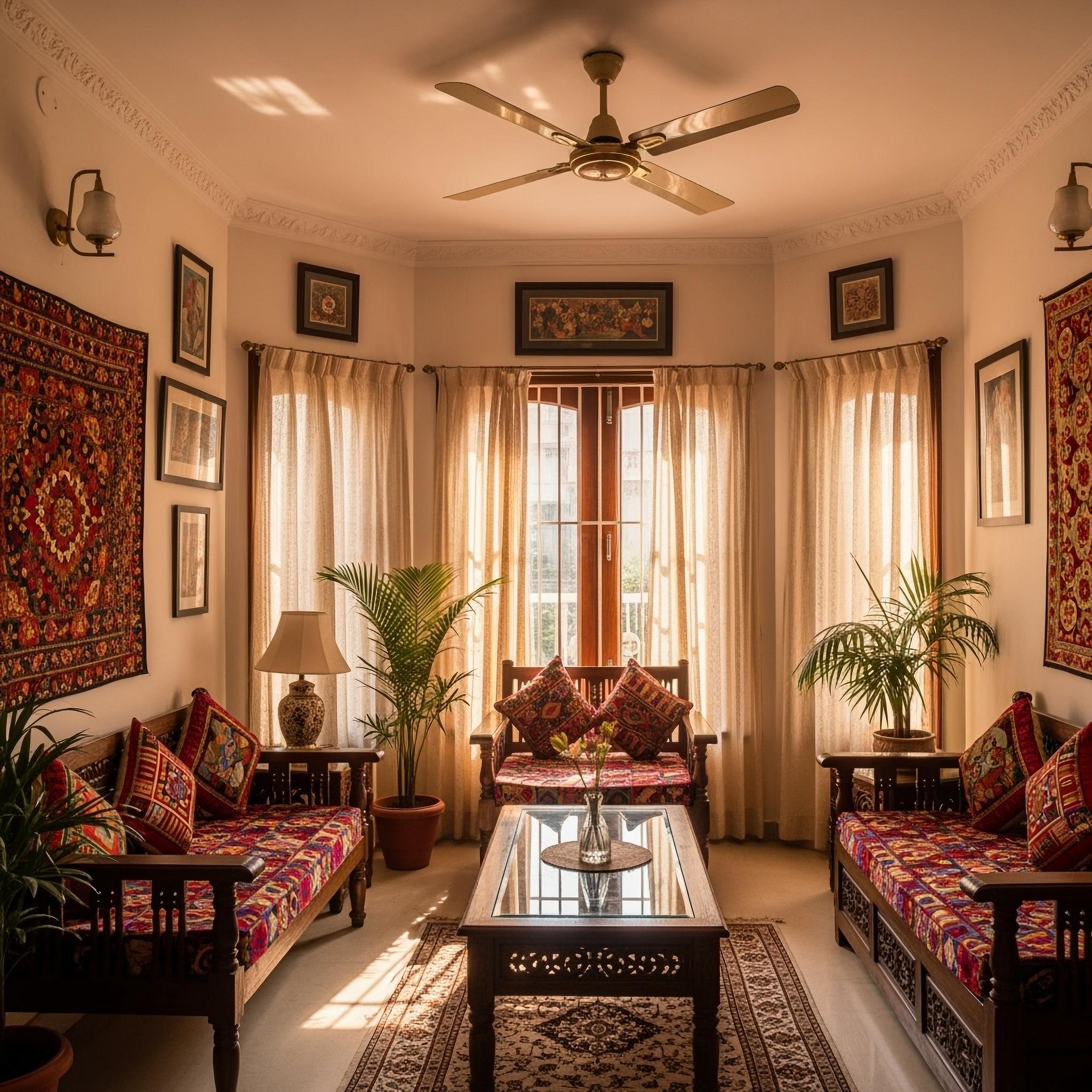
Even a well-chosen color pair can look wrong on the actual wall if a few basics get missed.
Picking colors under shop lighting alone. Paint shops use bright, even lighting that flattens undertones. A shade that looks neutral grey under shop light can read distinctly blue or green once it is on your wall under your own lighting.
Ignoring the ceiling and skirting. A combination can look unbalanced if the ceiling stays stark white while the walls go warm or dark. Even a slightly off-white or cream ceiling tends to tie the room together better than pure white against a warm wall color.
Choosing the accent wall at random. The accent wall should be the one your eye naturally lands on when you enter the room, usually the wall behind the sofa or the television. Picking a side wall instead often makes the room feel oddly weighted.
Forgetting how the color will look at night. Warm yellow lighting in the evening shifts how a color reads compared to daylight. A cool grey that looks crisp in the afternoon can feel slightly flat under warm bulbs at night, so it helps to view your sample swatch under both.
How to Test a Combination Before You Commit
A small testing step at the start saves a far higher repainting cost later.
Paint a sample patch, not just a swatch card. A two-foot-by-two-foot patch on the actual wall shows you far more than a small paper card ever can, since it reveals how the color behaves with your specific window placement and wall texture.
Check the patch at three different times of day. Morning, afternoon, and evening light all slightly shift a color. A combination that looks great at noon might feel too cool by evening, and testing throughout the day helps avoid that surprise after the full room is painted.
Live with the sample for at least two days. Colors can look different on day one purely because they are new. Giving it 48 hours before deciding helps you judge the combination more objectively.
Real Cost Math Most Guides Skip
Distemper covers more area but needs frequent repainting. It covers roughly 130 to 140 square feet per liter and costs the least upfront, but expect to repaint within two to three years.
Emulsion costs more but lasts longer. Coverage per liter is similar to that of distemper’s, but it typically lasts 5 to 7 years and is washable, which matters in a living room with kids or frequent guests.
Accent walls use far less paint. A single 10-by-10-foot accent wall uses a fraction of the paint a full room would, which is why accent walls remain the smartest way to introduce a bold or premium color without committing your full budget to it.
Two-tone walls cost more in labor, not in materials. Masking and cutting in a second color takes more painter time than a flat single-color wall. If the budget is tight, doing the accent wall yourself with painter’s tape and leaving the base coat to a professional is a common, sensible split.
FAQs
What is the most popular Indian living room color combination right now?
Beige and grey remain the most widely used combination because they are neutral, pair with almost any furniture color, and work in both budget distemper and premium emulsion finishes. Sage green with warm beige is close behind as the trending pick for 2026.
Which two color combinations for living room walls work best for small spaces?
Light, similar-toned pairings like off-white with pale grey, or mint green with white, work best. The lower the contrast between the two shades, the larger and more open the room feels.
Is distemper a bad choice for a living room?
No, it is a smart choice for a tight budget; it just needs repainting more frequently than emulsion. If repainting every two to three years works for you, distemper lets you update your living room’s look without a high one-time cost.
How many colors should I use in one living room?
Stick to two main colors and one neutral. A base color for most walls, an accent color for one wall or feature, and a neutral that ties in your furniture and flooring. Anything beyond that starts to look busy rather than designed.
Do dark colors make a living room feel smaller?
Dark colors on all four walls can close a small room in, but a single dark accent wall paired with lighter walls around it adds depth without shrinking the perceived space.
What color combination works for a living room with very little natural light?
Warm, lighter tones like cream, soft beige, or pale yellow paired with white reflect available light better than cool greys or blues, which can make a low-light room feel duller than it already is.
How do I choose between two shortlisted color combinations?
Paint a small sample patch of each on the actual wall and view both at different times of day. The combination that looks consistent from morning to evening is usually the safer long-term choice over the one that only looks good in a single light condition.
Should the color combination match my sofa or my curtains?
Match it to whichever piece you are least likely to replace soon. If your sofa is new and your curtains are due for a change, build the wall combination around the sofa color, since that gives you more flexibility to update curtains later without repainting.