Key Takeaways
- A vertical garden wall transforms any blank indoor surface into a lush, living feature.
- You don't need a huge budget or a green thumb - simple setups work beautifully for beginners.
- The right plant choices and a good watering system are the two most important factors for success.
- Vertical gardens improve air quality, reduce stress, and make any room feel more alive.
- Whether you rent or own, there are options that work for almost every wall and every lifestyle.
Why Everyone Talks About Indoor Vertical Gardens
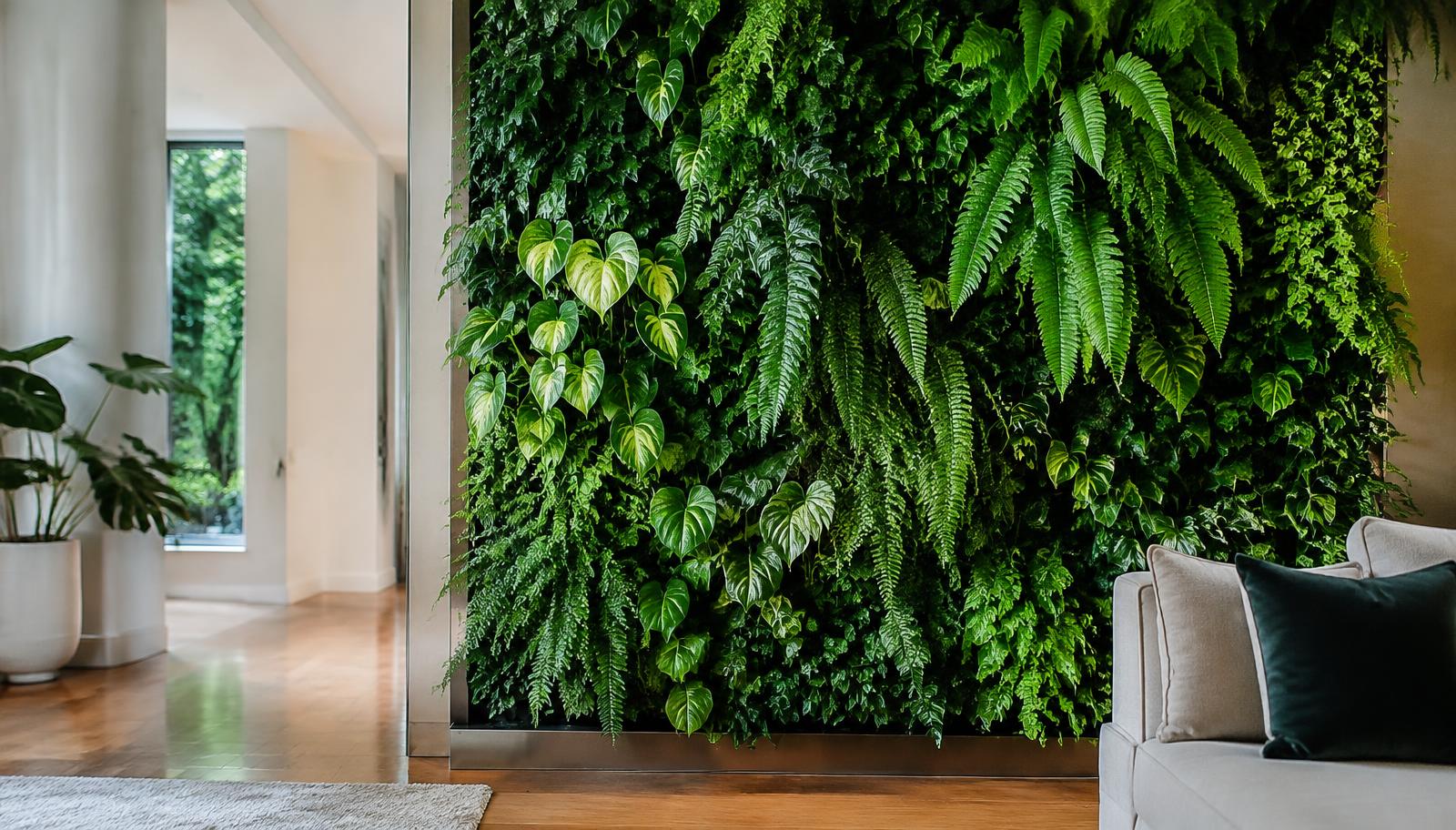
There's something almost magical about walking into a room and being greeted by an entire wall of greenery. It feels calm, creative, and a little unexpected, which is exactly why more and more people are bringing nature inside, quite literally.Indoor vertical gardens have moved well beyond the niche. You'll spot them in home offices, living rooms, studio apartments, and even kitchens. And honestly? It makes sense. When floor space is limited, but you still crave that connection to nature, going vertical is the smartest move you can make.
But beyond aesthetics, plants genuinely improve your indoor environment. They filter toxins from the air, add humidity, and studies consistently show that being around greenery lowers cortisol levels. That's not just a pretty wall, that's a wellness upgrade.
Practical Ideas for Creating a Vertical Garden Wall Indoors
Let's get into the good stuff. Here are some of the best approaches, ranging from budget-friendly DIYs to more polished setups.1. Pocket Planters on a Fabric Panel
One of the easiest and most affordable options is a felt- or canvas-pocket planter hung flat against a wall. These come with multiple pouches to tuck small plants like ferns, pothos, or succulents. They're lightweight, renter-friendly, and you can rearrange plants whenever you feel like a change. Look for versions with a waterproof backing to protect your wall.
2. Wooden Pallet Frame with Pots
A reclaimed wooden pallet can become a striking garden feature with very little effort. Sand it down, stain or paint it if you like, and attach small terracotta or plastic pots to the slats. This works especially well in a rustic or boho-style space. Mount it securely to wall studs and make sure each pot has drainage sorted before planting.
3. Modular Tile Systems
If you want something that looks truly high-end, modular planting panels are worth exploring. These interlock like puzzle pieces and can be expanded over time. Many come with built-in irrigation channels, which is a game-changer if you're worried about watering consistently. Brands like Naava and Florafelt offer systems that look genuinely stunning.
4. Floating Shelf Ladder Display
Not quite a wall-mounted garden, but incredibly effective — a tall ladder shelf with staggered shelves lets you layer plants at different heights, mimicking the look of a vertical garden without drilling into your walls. Style it with trailing plants like string of pearls or ivy at the top so the greenery cascades down naturally.
5. Mounted Plywood with Attached Planters
For the more hands-on types, a sheet of sealed plywood painted in a bold color (think forest green or terracotta) with small metal or ceramic planters screwed into it makes for an incredibly personalized piece. You control the layout, the spacing, and the plant selection entirely.
Choosing the Right Plants
The plants you choose will make or break your indoor vertical garden. Stick to varieties that thrive in indirect light and don't demand daily watering. Some top picks include:
- Pothos — nearly indestructible and trails beautifully
- Philodendron — lush, fast-growing, and low-maintenance
- Ferns — love humidity, great for kitchens and bathrooms
- Succulents — perfect for drier indoor environments
- Herbs like basil, mint, and thyme — ideal for kitchen walls
A Quick Word on Watering
The number one reason indoor vertical gardens fail is inconsistent watering. Gravity works against you here; water drains fast and unevenly. A few solutions: self-watering pots with reservoirs, a drip irrigation kit connected to a timer, or simply making a schedule and sticking to it. Bottom-up watering systems are worth the investment if you're going for a larger installation.FAQ
Q 1: Do I need special lights for an indoor vertical garden?Most common houseplants do fine with natural indirect light near a window. If your wall is far from any natural light source, a simple LED grow light strip can make a big difference without being expensive or intrusive.
Q 2: How do I stop water from damaging my wall?
Always use planters with proper drainage and place a waterproof liner or tray behind your setup. Felt pocket planters usually come with a waterproof backing. For wooden or DIY frames, seal all surfaces before installing.
Q 3: Can I create a vertical garden wall in a rented apartment?
Absolutely. Opt for freestanding ladder shelves, tension rod systems, or adhesive-mounted hooks rated for the weight. These leave no permanent marks and can move with you.
Q 4: How often should I water a vertical garden indoors?
It depends on the plants and the season, but most indoor vertical gardens need watering two to three times a week. Check the soil an inch deep; if it's dry, it's time to water.
Q 5: What's the cheapest way to start?
A fabric pocket planter from an online marketplace costs as little as ₹500–₹800 and can hold 20+ plants. Pair it with fast-growing pothos cuttings (often free from friends or plant swaps), and you've got a stunning setup for very little outlay.