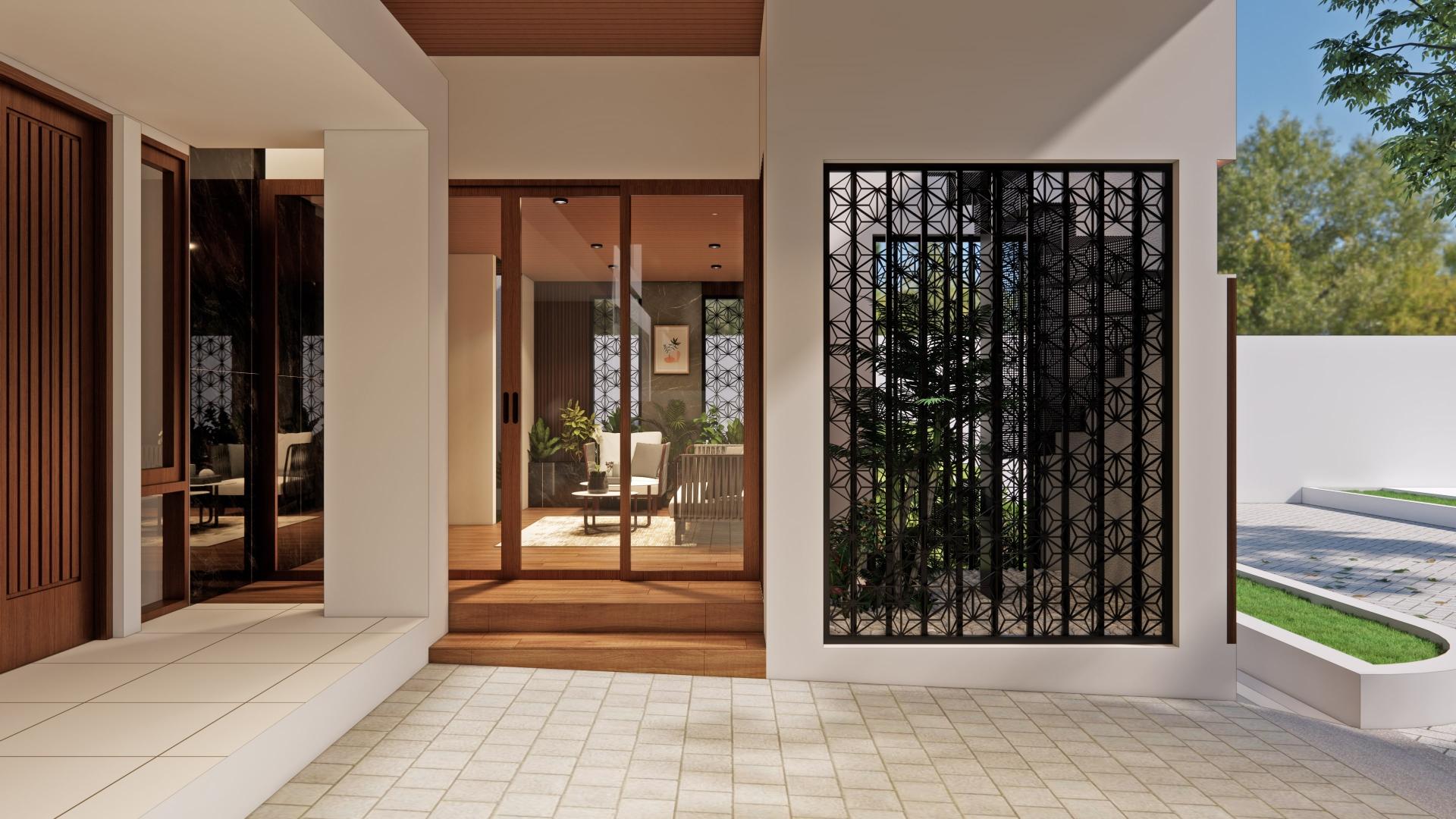
Key Takeaways
- Minimalist design is about restraint and calm. Contemporary design is about current trends and personality. You do not need to pick one.
- Use the 70/20/10 rule: 70% minimalist foundation, 20% contemporary statement pieces, 10% trend led accents you can swap easily.
- Pick one anchor material, like light oak or brushed brass, and repeat it across both styles so the room feels connected.
- Keep hardware finishes consistent throughout the home, even between rooms with different styling.
- Match lighting temperature within 500K across fixtures, or the room will feel off even if the furniture is right.
- Small spaces need a tighter ratio, closer to 80/10/10, with only one bold colour or curved piece per room.
- The most common mistake is treating every room as a 50/50 mix. Pick a dominant style per room and let the other one act as the accent.
Picking just one design style for your home is rarely the real goal. Most homeowners actually want a space that feels calm but not cold, stylish but not cluttered. That is the real tension behind Minimalist vs. Contemporary Home Designs, and the good news is you do not have to choose a side. You can blend both into one cohesive, livable look once you understand where they overlap and where they pull apart.
This guide breaks down the real differences and then gives you a practical, room-by-room framework for merging the two, including a few details that most design blogs skip in favor of vague mix-and-match advice.
Minimalist vs. Contemporary: What’s Actually Different
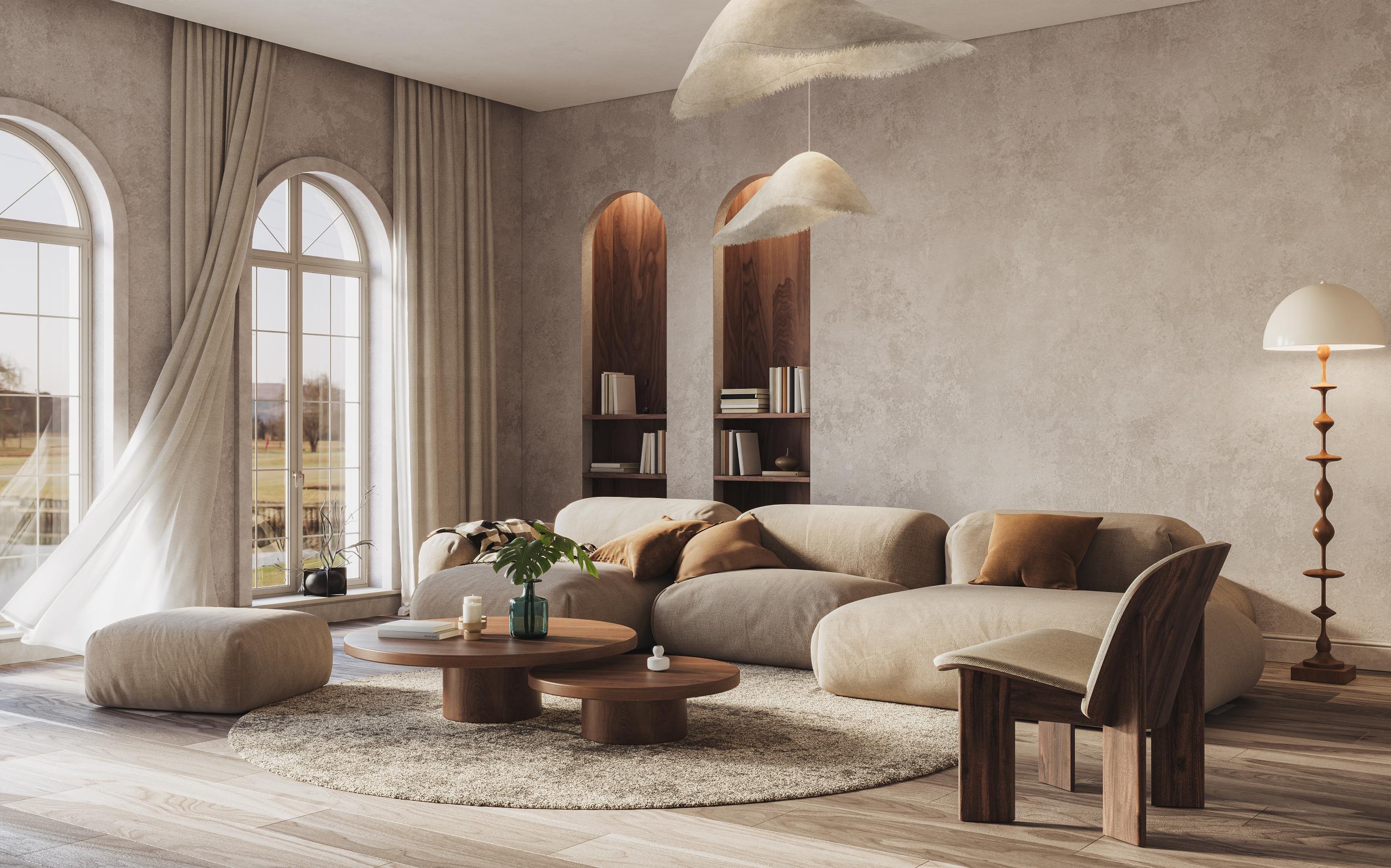
Before blending anything, you need to know what you are blending. People often use “minimal” and “contemporary” interchangeably, but they refer to different things.
Minimalist design is about restraint. It follows the less-but-better philosophy: fewer objects, fewer colors, fewer visual interruptions. Every piece in the room has to earn its place. The goal is calm, clarity, and low mental clutter.
Contemporary design is not a fixed style at all. It is a moving target that reflects current trends. It borrows curves, bold accents, textured surfaces, and statement lighting, evolving every few years. Where minimalism says remove, contemporary design says curate and update.
Here is the quick contrast that most comparisons miss:
| Element | Minimalist | Contemporary |
| color palette | Strictly neutral, 2-3 tones max | Neutral base plus one bold accent |
| Furniture lines | Straight, geometric, low profile | Curved, soft-edged, sculptural |
| Decor density | Very sparse, almost empty | Moderate, styled vignettes |
| Lighting | Functional, hidden sources | Statement fixtures as focal points |
| Materials | Matte finishes, natural wood, stone | Mixed matte and gloss, metallics, glass |
| Mood | Quiet, meditative | Energetic, current, social |
So when people debate modern vs minimalist interior design, they are often actually comparing contemporary vs minimalist. Modern technically refers to a specific early 20th century design movement, think Bauhaus and mid-century furniture, while contemporary is whatever is trending now. For blending purposes, treat modern and contemporary as cousins that both lean toward clean functionality, with contemporary being the trendier, more decorative sibling.
Why Blend Them at All?
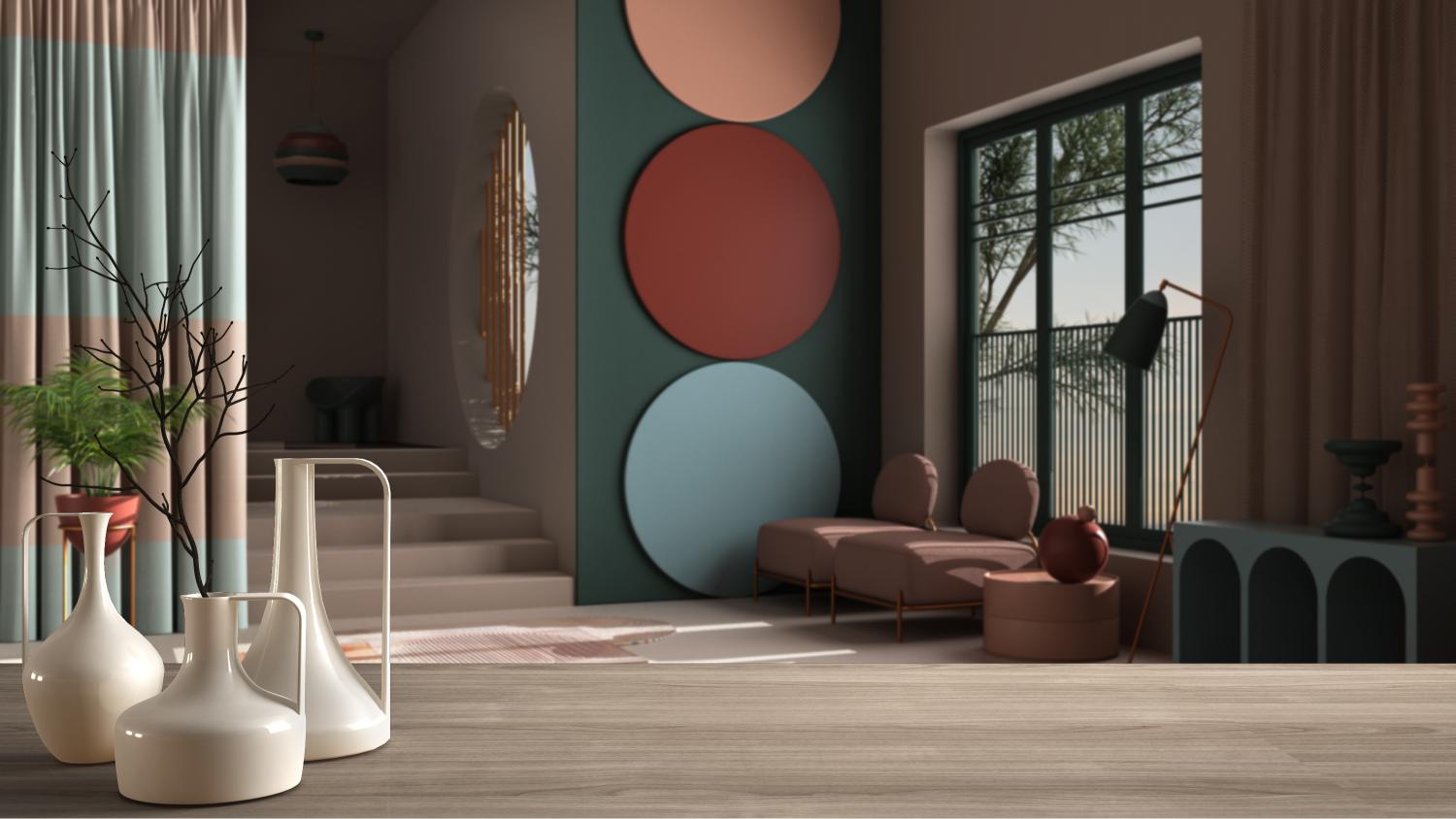
A purely minimalist home can feel sterile or unfinished to people who like personality in their space. A fully contemporary home can feel busy or dated within a few years as trends shift. Blending the two gives you:
- A calm visual foundation that will not feel chaotic
- Room to update accents without redoing the whole house
- A space that photographs well and lives well day to day
- Lower long-term cost, since the structural elements like flooring, cabinetry, and wall color stay neutral and timeless, while only accessories rotate with trends
This is essentially how a contemporary minimalist house works in practice. Minimalism handles the bones, contemporary design handles the personality.
The 70/20/10 Framework for Blending Styles
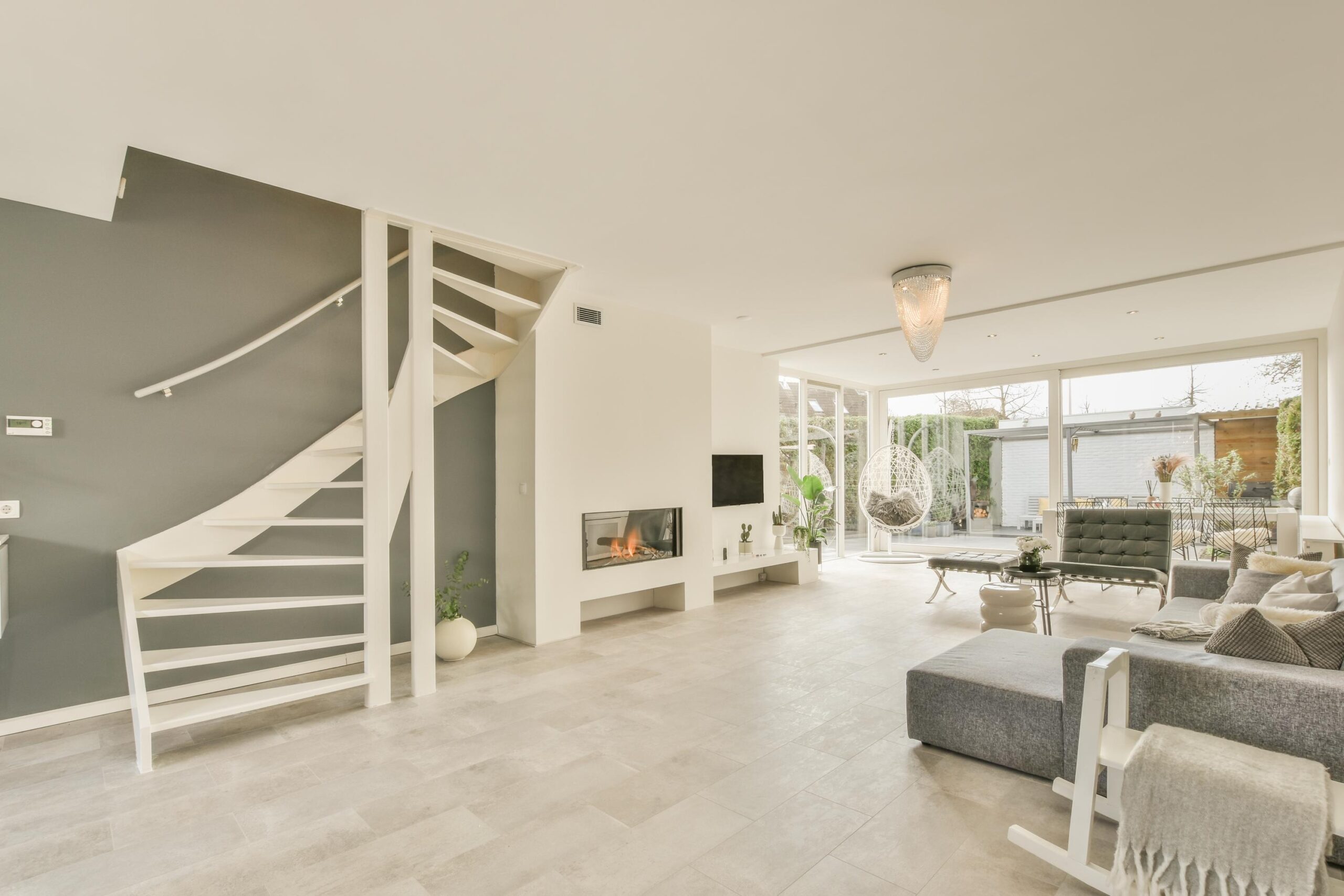
Most blogs tell you to mix carefully without giving you a measurable system. Here is one that actually works, adapted from color theory and applied to whole room styling.
70% Minimalist Foundation. Your architecture, flooring, wall color, ceiling, and large furniture pieces, such as the sofa, bed, wardrobe, and dining table. Keep these neutral, low ornamentation, and functional. This is your quiet majority.
20% Contemporary Statement Pieces. One or two furniture items with curved silhouettes or bold form, such as a sculptural accent chair, a fluted media unit, or a curved coffee table. These create visual interest without overwhelming the room.
10% Trend Led Accents. Cushions, art, a single bold, colored object, or one statement light fixture. This is the layer you can swap out every one to two years as trends shift, without touching anything structural.
This ratio matters because it tells you exactly how much contemporary flair to introduce before a minimalist room starts to feel cluttered or a contemporary room starts to feel cold.
Pick One Anchor Material and Repeat It
A trick professional designers use that rarely gets mentioned online is choosing a single anchor material, such as light oak, brushed brass, honed marble, or matte black metal, and repeating it across both your minimalist base and your contemporary accents. If your minimalist sofa frame is light oak, your contemporary side table and your statement light fixture should also nod to that same wood tone or a complementary metal.
This single repeated material is what stops a blended room from looking like two unrelated styles thrown together. It is the visual thread that ties restraint and boldness into one coherent story.
Texture works as a second bridge between the two styles. A minimalist room can feel flat without variation, so introduce texture through a bouclé cushion, a ribbed vase, or a woven rug. This adds contemporary depth while keeping the color palette completely calm and undisturbed.
Room by Room Blending Guide
Living Room
Keep the sofa, rug, and wall color minimalist, with straight lines and neutral tones like off-white, warm grey, or sand. Introduce one curved accent chair or an organic-shaped coffee table as your contemporary statement. Add a sculptural floor lamp as the trend-led accent. Avoid more than one bold color in this room, and let the curve and texture do the talking instead of color.
Kitchen
This is where a contemporary minimalist house shines easiest. Go with a flat panel, handleless cabinetry for the minimalist base, but introduce a textured or fluted island front, a statement pendant light cluster, or a bold-colored backsplash strip for the contemporary layer. Keep countertops and walls neutral so the kitchen still feels calm to cook in.
Bedroom
Bedrooms benefit most from minimalism, since low visual noise supports better sleep. Stick to a minimalist platform bed, closed storage wardrobes, and a muted palette. If you want contemporary touches, limit them to one curved bedside table or a single piece of bold wall art above the headboard. Do not introduce more than one accent color here.
Home Office or Study
Functionality should dominate, so lean minimalist for desks, shelving, and storage. A contemporary task chair with a sculptural frame or a bold patterned rug under the desk adds character without distracting from work.
Blending in Small Spaces: A Different Set of Rules
Most articles treat style blending the same way regardless of square footage, but interior design for small spaces needs its own approach because every extra object carries a greater visual cost in a small room.
In compact apartments or studio flats:
- Lean 80/10/10, not 70/20/10. Small rooms cannot absorb two competing furniture statements, so pick only one true contemporary piece per room.
- Use vertical contemporary accents instead of horizontal ones. A bold pendant light or wall art adds personality without taking up floor space, unlike a large curved sofa or an oversized chair.
- Keep multi-functional furniture minimalist. Storage beds, foldable dining tables, and wall-mounted desks should follow clean, simple lines so they do not visually compete with your contemporary accent pieces.
- Use mirrors as a contemporary tool. A sculptural framed mirror does double duty. It adds contemporary flair and visually expands the room, something rarely mentioned in standard style mixing guides but genuinely useful for compact Indian apartments and flats.
- One color, one curve, one room. In spaces under 400 square feet, limit your bold color and your curved silhouette to the same room, usually the living area, and let the rest of the home stay fully minimalist for breathing room.
Lighting Temperature: The Cohesion Detail Nobody Talks About
Here is something almost none of the existing guides on this topic mention. Lighting color temperature is one of the fastest ways to break a blended look. Minimalist spaces typically use warm white light around 2700K to 3000K for a calm glow, while many contemporary statement fixtures, especially LED strip or designer pendant lights, ship with cooler, bluish tones above 4000K.
If your minimalist base lighting is warm and your contemporary statement fixture is cool-toned, the room will feel disjointed even if every other element matches. Before buying any contemporary lighting piece, check the Kelvin rating and aim to keep it within 500K of your existing ambient lighting.
Hardware and Finish Consistency
A second underused cohesion trick is to keep all metal hardware, including door handles, tap fittings, drawer pulls, and curtain rods, in one finish family across the home, such as matte black, brushed brass, or satin nickel, regardless of whether the piece itself is minimalist or contemporary. Mismatched hardware finishes are among the most common, least noticed reasons a blended home feels uncoordinated, because the eye picks up on metallic inconsistencies even before it registers furniture style.
Common Mistakes When Blending the Two Styles
- Treating every room as a 50/50 mix. This usually backfires. Pick a dominant style per room, ideally minimalist, and let contemporary be the accent, not the equal partner.
- Choosing more than one bold color per space. Contemporary design allows for boldness, but minimalism demands restraint, so one accent color per room respects both.
- Forgetting the anchor material. Without a repeated material thread, the room reads as two separate shopping trips rather than one design.
- Overstyling small spaces. In interior house design for small spaces, restraint is not optional. It is structural, and every extra object reduces perceived space.
- Ignoring lighting temperature mismatches, which subtly undermine even well-chosen furniture.
A Simple Pre-Purchase Checklist
Before buying any new furniture or decor piece for a blended home, ask yourself:
- Does this match my anchor material or finish family?
- Is this my one contemporary statement for this room, or am I adding a second?
- Does the color temperature of any light source here match the rest of the home?
- Would this piece still feel relevant in three years, or is it purely trend-driven
- If it is trend-driven, is it easy and cheap to replace later, like a cushion, art piece, or vase, or is it a costly structural choice like cabinetry or flooring?
This checklist alone solves most of the indecision people feel when trying to combine modern and minimalist interior design elements without a clear system.
Final Thoughts
Blending Minimalist vs. Contemporary Home Designs is not about compromise. It is about the division of labor. Let minimalism handle the architecture, the large furniture, and the color foundation. Let contemporary design handle the personality, with one statement piece, one accent color, and one current trend per room. Tie it together with a repeated anchor material, consistent hardware finishes, and matched lighting temperatures. You get a home that feels intentional rather than indecisive, calm enough to live in, and current enough to love.
Whether you are furnishing a large family home or working with interior house design for small spaces, the same underlying principle holds. Restraint creates the canvas, and contemporary touches paint the picture. Get that balance right, and you will not need to choose between minimalist and contemporary ever again. You will simply have both working together.
FAQs
1. Can minimalist and contemporary styles really work together in the same home?
Yes. Minimalism handles the structural elements like flooring, walls, and large furniture, while contemporary design adds personality through accent pieces and lighting. They work best when one style leads and the other supports.
2. What is the difference between modern and contemporary design?
Modern refers to a specific design era from the early to mid 1900s, including movements like Bauhaus. Contemporary refers to whatever is trending right now and changes over time. For blending purposes, they can be treated as closely related styles.
3. How do I stop a blended room from looking mismatched?
Repeat one anchor material across both styles, keep hardware finishes consistent, and make sure your lighting temperature stays within the same range throughout the room.
How many contemporary pieces should I add to a minimalist room?
Usually one or two statement pieces per room is enough. Anything more and the room starts to lose the calm that minimalism is meant to provide.
4. Does this approach work for small apartments too?
Yes, but the ratio shifts. Small spaces do better with an 80/10/10 split, since every extra object takes up more visual weight in a compact room.
5. Is blending these styles more expensive than picking one?
Not necessarily. Since the large structural elements stay neutral and timeless, you are only updating smaller accent pieces over time, which usually works out cheaper in the long run.