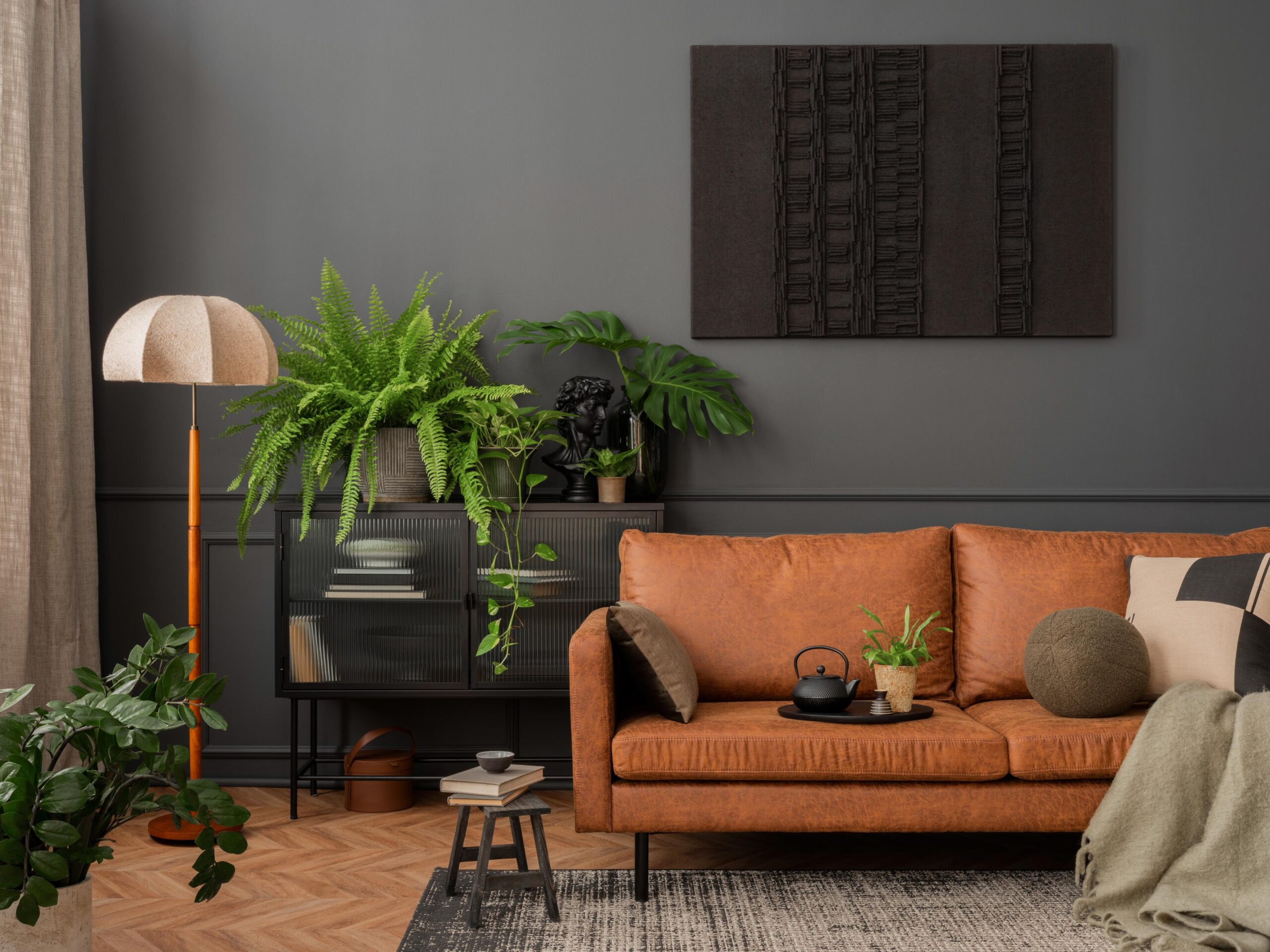
You start to make up a story about someone as soon as you walk into their house.
Not just if they are “neat” or “messy,” or if they have “good taste.” You pick up on what they care about, what they’re worried about, and even who they’re trying to become.
A home is never just a place to live. It’s a three-dimensional picture of a person’s mind.
Research in personality psychology shows that strangers can read someone’s personality fairly accurately just by walking through their bedroom or office. In one well-known study, observers correctly identified traits like openness to experience and conscientiousness, just from the room. And here’s the interesting part: spaces were sometimes better predictors than the person’s own friends.
Design matters because it affects how you feel, how you behave, and how you see yourself, not just how a room looks. For decades, environmental psychology has shown that the places we live shape our stress levels, our ability to relax, our sense of connection, and our overall mental health.
When we say, “Your home speaks of your personality,” we mean two things: it shows who you are on the inside, and it changes that inner life every day.
The home as autobiography
People usually think that how you talk, what you wear, or what you post on social media shows your personality. But the home may reveal even more about a person because it reflects repeated choices rather than planned ones.
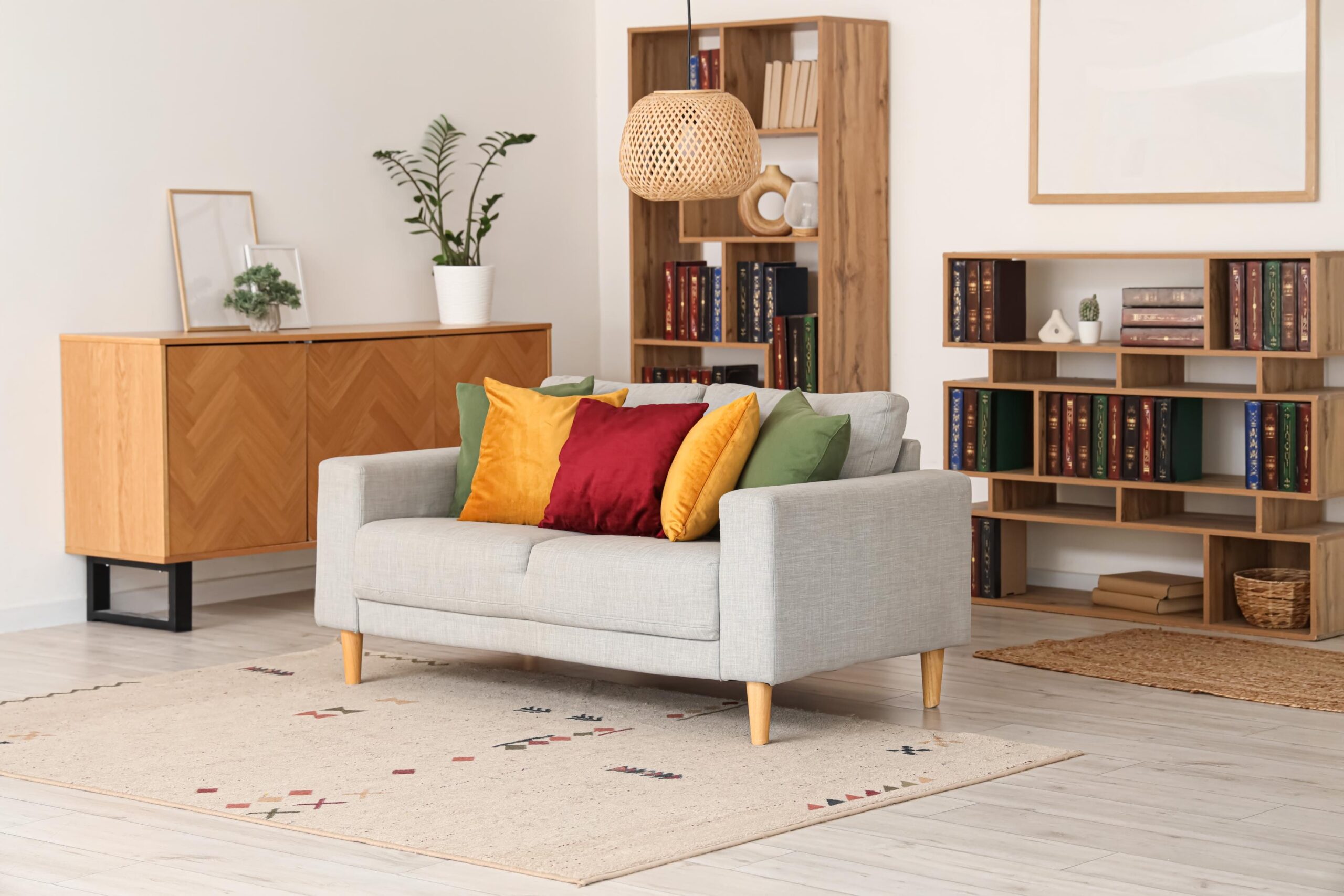
A bookshelf isn’t storage, it’s a record of what you’ve been curious about. A clean kitchen may mean you need to feel in control or want to make things easier on your brain. A wall full of travel keepsakes can show that you are open, make memories, and shape your identity through your experiences. A home office with clear systems, labels, and routines can show that you are responsible.
These aren’t random choices. Psychologists call the traces left by repeated actions and priorities “behavioural residue.” Your home is full of it. And it’s legible, to strangers and to yourself. In that sense, designing a home is not just a way to think about things. It is self-authorship.
We do not decorate rooms. We regulate emotion
One of the biggest fallacies regarding home design is that it is mostly about how things look. People actually design for emotional control long before they build for beauty.
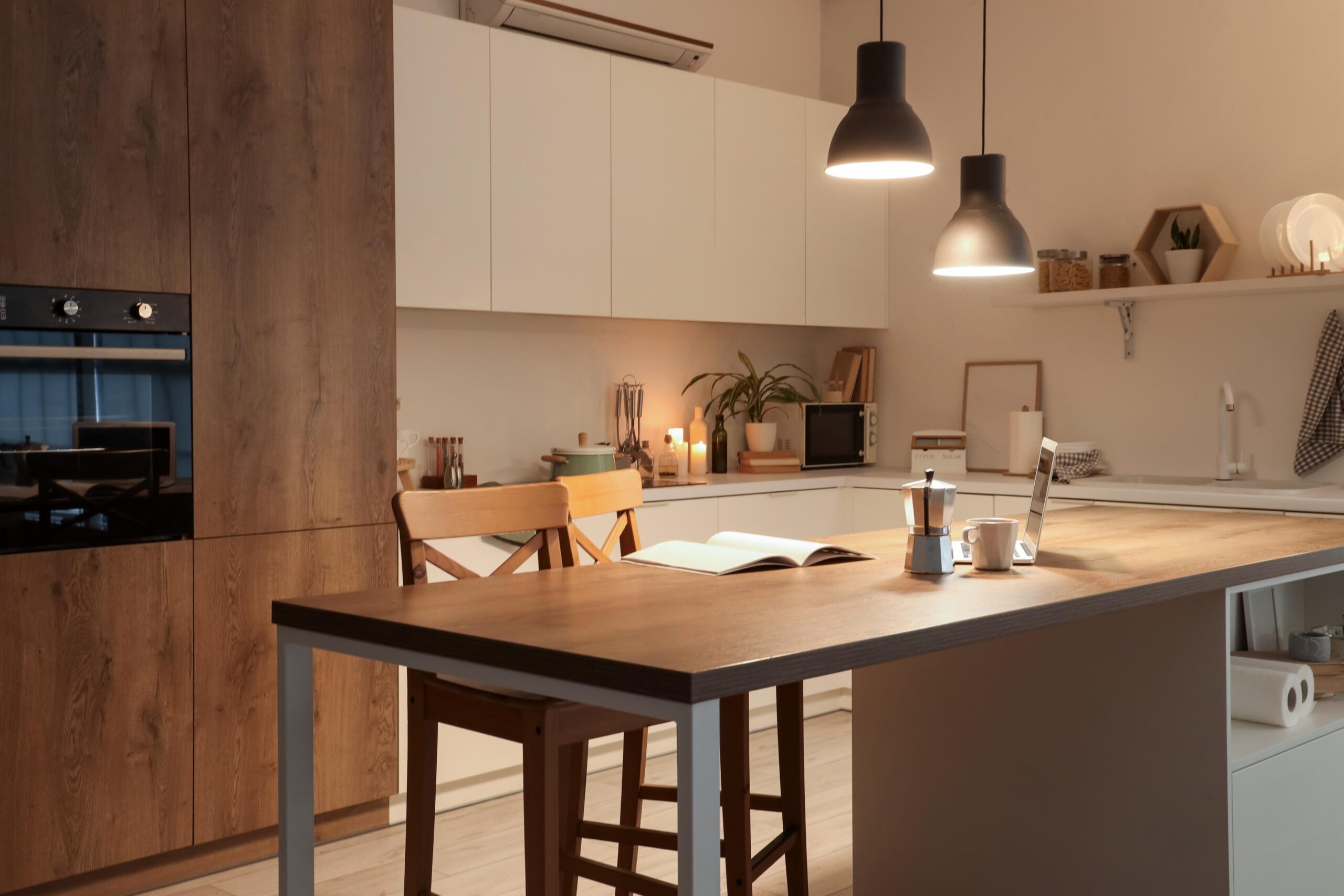
Most people don’t consciously design for emotion, but they do it anyway. They make “mood zones” without even thinking about it. For example, a comfortable chair by a window for relaxing, a dining table to encourage conversation, a bedroom dimmed to feel like a retreat, and a workspace sharpened to help people focus. These choices are not made at random. They show what we require from space mentally: rest, excitement, closeness, safety, and productivity.
A kitchen can represent relatives and habits; an office typically carries productivity cues; and a bedroom is typically expected to foster intimacy and restoration. The homes that feel best aren’t usually the most expensive or the most styled. They are the ones whose design complements each room’s emotional purpose. Because indoor environments affect mental health, this alignment is important. Light, noise, temperature, and crowding all affect how you feel at home. Research consistently backs this up – the sensory environment shapes mood, stress, and mental health outcomes.
Even if a lovely house is emotionally unsuited for its intended use, it might nevertheless feel wrong. While a hotel lobby-style living room may amaze guests, it does not encourage real living. An aesthetically pleasing bedroom that is overrun with devices, bright lighting, and work-related distractions may appear calm yet be detrimental to sleep. Even when the sight appreciates this mismatch, the mentality is aware of it.
When these emotional roles of spaces are off – when the bedroom doubles as a workspace, or the living room feels too formal to relax in – the whole home starts to feel slightly wrong. Not broken. Just … resistant.
The home also reveals the self we are rehearsing
The most revealing thing about a home isn’t what it says about who you are now. It’s what it says about who you’re trying to become.
A person who has just begun exercising might set up a tidy space in the hallway for yoga. Redesigning a workplace to eliminate digital temptations is one way to become more focused. A new parent may incorporate routines into the architecture of everyday life, soften lighting, and simplify surfaces. These decisions shape a future identity as well as express one’s current identity.
Broader psychology theories like habit development and person-environment fit back this up: surroundings influence behaviour. Your home is a silent partner in your character. It can reinforce distraction or depth, avoidance or engagement, chaos or competence.
This is why redesigning a room can feel oddly emotional. You’re not just moving furniture. You’re making a decision about who you’re done being. The evidence suggests the shift goes both ways. Rearranging a workspace can measurably improve focus. Reducing visual chaos lowers background stress. Adding warmer light or a living element can make a room feel genuinely more restorative, not just prettier. Small changes accumulate because your environment is constantly sending signals to your brain about what kind of person you are and what you’re supposed to be doing. Change the signals, and behaviour tends to follow.
Clutter is not a moral failure. It is often a psychological signal
Clutter is arguably the most moralized design problem. However, psychology says that we ought to be more specific. Research consistently links home disorganization to higher stress and worse emotional outcomes. But here’s the more useful finding: clutter is often a symptom, not a character flaw.
That does not imply that everyone who is cluttered is careless, indolent, or overburdened. Time constraints, caregiving, bereavement, attachment to memory, attentional difficulties similar to ADHD, or just an imbalance between belongings and storage systems can all contribute to clutter. Whether a space causes friction or relief is more important psychologically than neatness as a moral ideal.
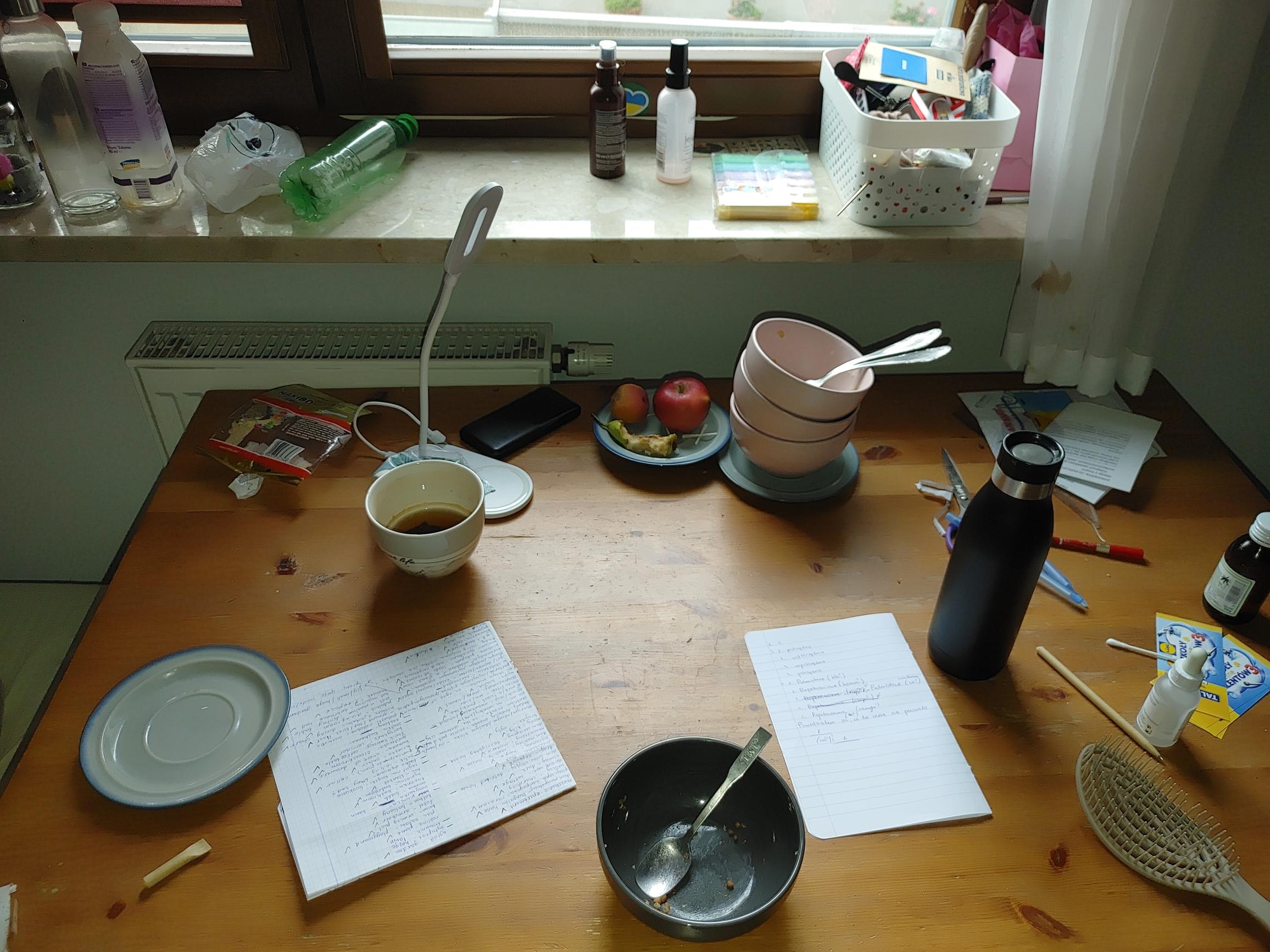
While some people want visual calm to think properly, others require visual plenty to feel alive. Our perception of complexity is mediated by our personalities. However, there comes a point at which excessive chaos becomes cognitively costly and ceases to feel expressive. The brain must continue to absorb incomplete visual information, unresolved choices, and real-world challenges. Chaos turns into background tension.
The more profound lesson is that functionality, not performance, should be supported by design. For a home to be psychologically healthy, it does not need a simple appearance. It must feel deliberate, navigable, and compatible with the mind that resides there.
Personalization is how a space becomes a self
When a house starts to take on individuality, it becomes a home.
The more you invest in a place — your habits, objects, rituals — the more it stops being somewhere you live and starts being somewhere you belong. Home attachment has been linked to improved mental health outcomes, continuity, and a sense of wellbeing.
For this reason, generic perfection frequently feels emotionally detached. A showroom may be sophisticated yet lack psychological depth if it lacks personal cues. Personal items have a profound effect by establishing continuity between past and present selves, communicating values, and anchoring memory.
A child’s painting left on the refrigerator, books with marginal notes, textiles from one’s culture, a slightly absurd memento that still makes someone chuckle, a framed recipe from a grandparent, a dented writing desk saved through three apartments — none of these are clutter in the psychological sense. They are identity markers. They tell your nervous system: you belong here.
The term “curation” is occasionally used by designers, but psychologically, people frequently require permission to leave traces of their humanity.
If you’re not sure where to start, the questions are simpler than the design industry makes them out to be. How do you want to feel in this room? What actually happens here day-to-day, and does the space support that? What’s making you tired every time you walk in? What’s missing that would tell someone who you are? You don’t need a renovation. You need to design around real life rather than around how a room is supposed to look.
Color, light, and nature work on us even when we stop noticing them
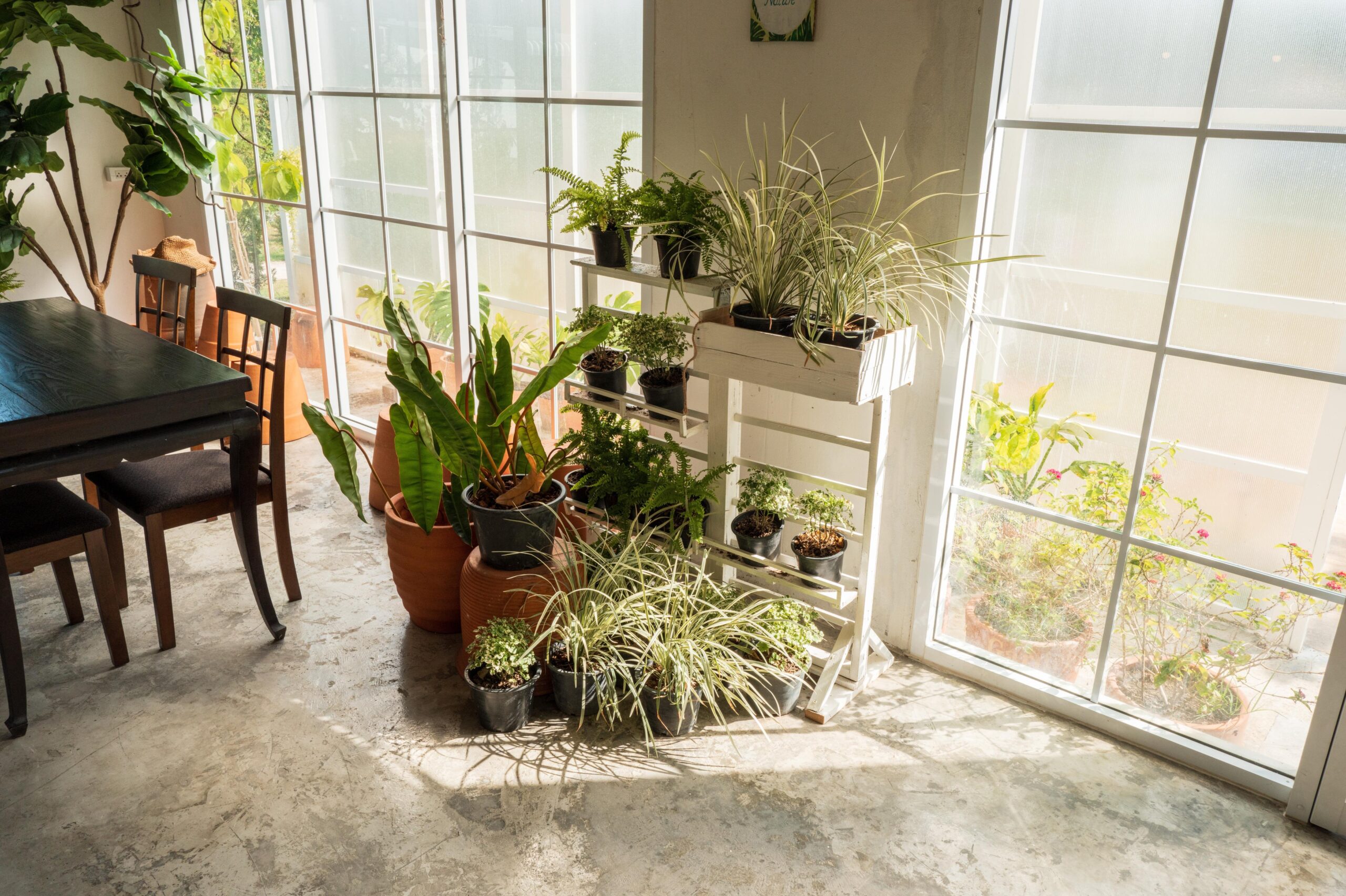
Not every design cue carries symbolic meaning. Some work more directly – through the body, through perception, through senses you’re not consciously tracking.
Take colour. Popular psychology tends to oversimplify it: blue calms, yellow energizes. The reality is more nuanced. Colour does affect mood and perception, but the effects depend on saturation, brightness, context, and the individual. What matters more than any single hue is whether the combination feels intentional and easy on the eye.
Light works differently and more powerfully. It doesn’t just help you see. It sets your body clock. Daylight exposure during the day supports better sleep, steadier mood, and earlier sleep timing. Bright light in the evening does the opposite. This means the lighting in your home isn’t just atmosphere. It is biological timing. A home that works with natural light cycles is quietly regulating your nervous system, even when you’re not thinking about it.
Then there’s nature. Research on biophilic design – bringing natural elements indoors through plants, wood, stone, natural light, and views of greenery – consistently shows reductions in stress, improvements in mood, and faster mental recovery. You don’t need a garden. Wood grain on a surface, a plant on a shelf, natural shadow patterns, or even images of greenery all register. Small encounters with nature accumulate in ways the nervous system notices even when you don’t.
But a room is never experienced through just one sense. Acoustics, texture, air quality, thermal comfort, and visual complexity all reach you at once. Two rooms with identical furniture can feel completely different based on how they engage the full sensory picture – not aesthetics alone. A space with natural light, breathing room, tactile texture, and some living elements places far less strain on the nervous system. It replenishes rather than depletes.
One more thing worth knowing: it’s not only flat, featureless rooms that wear you down. Spaces that are visually loud – high saturation, harsh contrast, glare, or too many competing elements – can be equally taxing. Stimulation can energize up to a point. Past that point, it becomes background stress. Good design strikes the right balance so that a space feels alive without being demanding.
What truly makes a home psychologically beautiful?
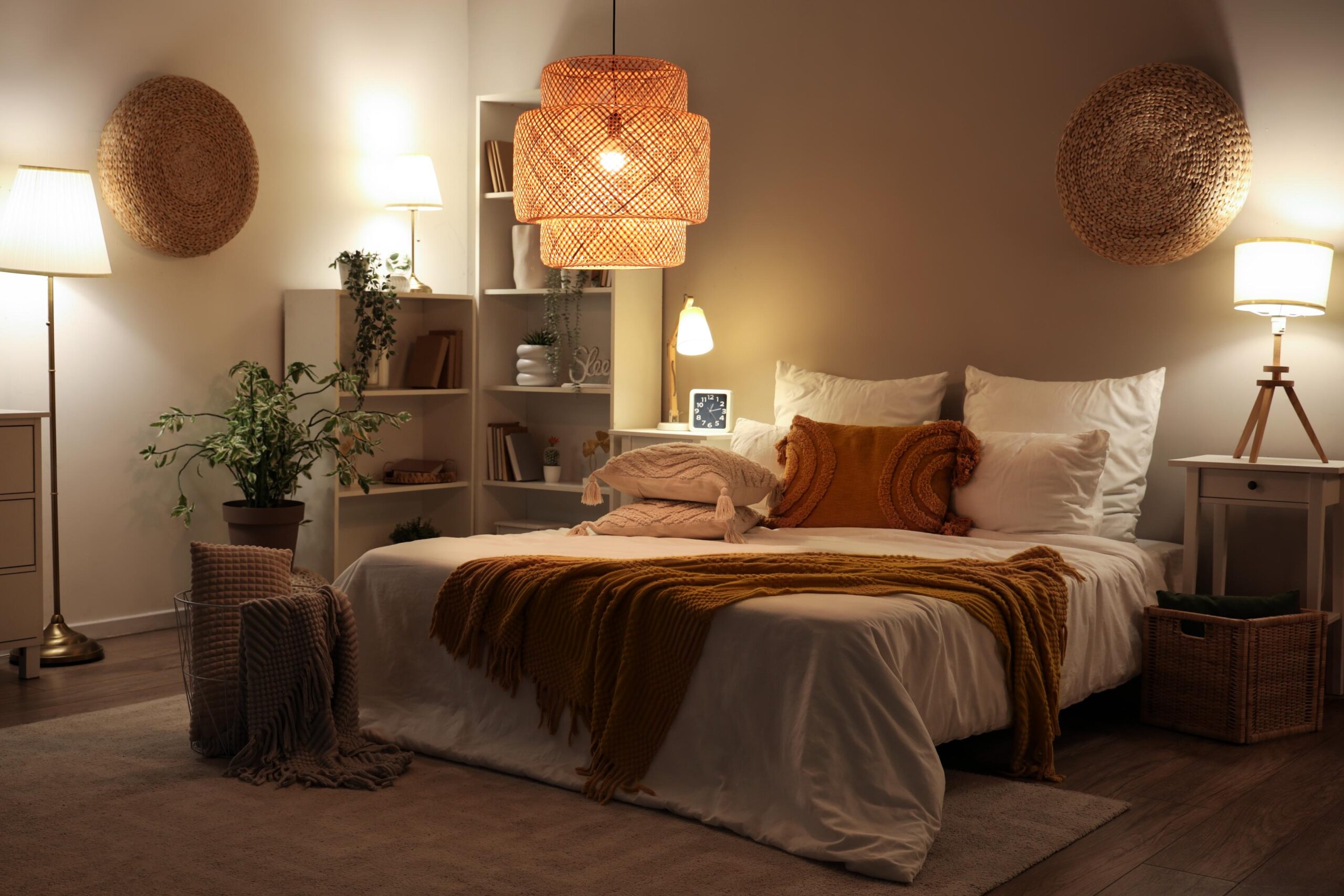
Not fashionability. not a cost. Not even magazine-style cohesion.
There are four characteristics of a psychologically lovely home.
- Readability
A readable home makes sense without effort. You know where things go. Movement feels easy, not obstructed. The eye doesn’t get snagged by visual noise. Example: a kitchen where the layout follows how you actually cook, not how it looks in a showroom.
- Emotional Congruence
Each room supports the feeling it’s built for. The bedroom makes rest feel possible. The living room invites conversation. The workspace makes focus feel safe. When this alignment is off – a bright overhead light in the bedroom, a sofa positioned for watching TV, not for talking – you feel it even if you can’t name it.
- Identity
A home with identity has evidence of the people who live there. Not as decoration, but as orientation. A framed recipe from a grandparent. A child’s drawing on the fridge. Books with notes in the margins. These things tell your nervous system: you belong here.
- Restoration
A restorative home replenishes rather than depletes. Natural light, living elements, comfortable proportions, and sensory calm all contribute. A space that is always demanding your attention – visually busy, loud, overstimulating – is the opposite of restorative, no matter how stylish it looks.
A house that possesses these attributes does more than just look wonderful. It develops psychological fluency.
Conclusion
Since your home is where your abstract identity becomes concrete, it speaks to your personality. Values become layouts, moods become lighting, memories become objects, and aspirations become habits.
Every choice in a home sends a signal. Some say I want calm. Some say I want to be seen, or connected, or free. The home doesn’t lie about what you actually need — even when you haven’t said it out loud.
The most meaningful homes aren’t the ones that look good in photographs. They’re the ones that are honest about who lives there, and generous enough to support who that person is still becoming. You don’t need to redesign everything. You just need to start paying attention to what your home is quietly saying.
Design is ultimately psychology made evident.
FAQs
Q1. Is a person’s personality truly reflected in their home’s design?
Yes, it frequently can. People’s habits, priorities, emotional needs, and sense of self are often reflected in how they arrange, furnish, and utilize their space. A person’s preference for order, creativity, comfort, sociability, seclusion, or self-expression can be shown in their home. Although a person cannot be defined by a single item, patterns in design decisions often reveal a great deal about a person.
Q2. Does a disorganized or lazy person have a messy home?
Not at all. Clutter usually comes from stress, time pressure, grief, or simply having more belongings than storage. Psychology doesn’t treat messiness as a moral issue – the better question is whether the space helps or gets in your way.
Q3. Why do some homes instantly make you feel at ease while others make you feel anxious?
Usually, this boils down to emotional and sensory design. The neurological system’s reaction to a location can be influenced by light, colour, noise, layout, texture, and even the arrangement of furniture. Calm spaces frequently feature more natural light, less friction, better visual balance, and a greater feeling of purpose.
Q4. Is interior design mainly about aesthetics?
No. Good interior design is not just about making a home look attractive. It is also about making a home function well psychologically and emotionally. The best spaces support rest, focus, connection, safety, and ease. A room may be visually beautiful but still feel uncomfortable if it does not match how people actually live.
Q5. Do hues actually have an impact on mood?
Yes, but not in a straightforward manner. Although the impact varies depending on context, brightness, saturation, cultural significance, and individual choice, colours can affect mood and perception. Bold hues may stimulate one individual, while soft, subdued tones may be calming to another. Colour does have an emotional impact, but it is very personal.
Q6. Why is customization crucial for interior design?
Customization helps create a sense of belonging. A home feels emotionally rooted when it has family photos, sentimental items, books, artwork, heirlooms, and cultural accents. Comfort, attachment, and well-being can be strengthened by these details that establish continuity between identity and surroundings.
Q7. What does a person’s minimalist home reveal about them?
It might imply that the individual values control, simplicity, calm, and clarity, but not necessarily. While some choose minimalism for its utility, others do so for its aesthetic appeal. However, a diverse or multi-layered home can also show ingenuity, sentimentality, curiosity, or emotional depth. Fit is what’s important; neither is intrinsically superior.
Q8. Can one’s personality still be seen in a rented house?
Of course. Architecture and costly renovations are not the only ways that personality is exhibited; other ways include arrangement, lighting, textiles, art, artifacts, and routine. People manage to build ambiance, significance, and personality even in transient or rented locations.
Q9. What is the most common psychological error people make when designing their homes?
Designing solely for aesthetics rather than real experience is one of the biggest errors. Many people attempt to design a room that looks good but doesn’t really support their day-to-day activities. A psychologically effective house is one that feels comfortable to live in, not just one that looks good in pictures.
Q10. Why do people develop strong emotional bonds with particular rooms or items in their homes?
Because homes are places of recollection. Certain areas, furnishings, and items frequently come to represent comfort, family, identity, significant occasions, or customs. These emotional connections strengthen attachment over time and give the impression that one’s house is an extension of oneself.