Most people who have worked with a residential interior designer and later tried to apply the same thinking to an office space have run into the same problem. What works beautifully in a home simply does not translate. The priorities are different, the constraints are different, and the consequences of getting it wrong are more immediate and more expensive in a commercial setting.
Understanding why office design requires its own approach is useful whether you are fitting out a new workspace, renovating an existing one, or determining what kind of design help you actually need.
Key Takeaways
- Purpose Dictates Design: Homes are built for personal comfort, whereas commercial offices are engineered to drive output, focus, and team collaboration.
- Ergonomics is Mandatory: Unlike residential furniture, where comfort is subjective, office workstations must meet strict ergonomic standards to prevent physical strain and loss of productivity.
- Lighting Requires Compliance: Commercial lighting goes beyond setting a mood; it must adhere to strict codes and energy standards while preventing fatigue and eye strain over an eight-hour workday.
- Traffic Demands Durability: Materials, hardware, and spatial layouts must be commercial-grade to withstand the heavy, repeated daily wear and tear of an entire workforce.
- Specialization Matters: Designing an office requires distinct expertise. Investing in a commercial interior designer ensures the workspace is compliant, efficient, and genuinely supports the people using it.
A well-designed home and a well-designed office can look similar from the outside. Clean lines, considered materials, good lighting. But the thinking behind them is entirely different. Residential design is built around comfort, personal taste, and the pace of daily life. Commercial office design is built around performance – how people focus, how they move, how the environment holds up under constant use, and whether the space meets the legal and ergonomic standards that a home is never required to. Applying one set of principles to the other is where costly mistakes are made. Here is why office design demands its own approach, and what that means in practice.
The Purpose of the Space Changes Everything
A home is designed around comfort, personal expression, and the rhythms of one person or family. An office is designed around output. Every decision in office interior design has to account for how people work, how they move through the space, how they collaborate, and how the environment affects their focus and energy over an eight-hour day.
That shift in purpose ripples through every single design decision. Furniture selection, lighting levels, acoustic treatment, flooring material, storage systems, and even the color on the walls all serve different functions in a commercial space than in a residential one. A designer who works primarily in homes is not wrong; they are just solving a different problem.
Ergonomics Is Non-Negotiable in Office Spaces
In a residential project, comfort is personal. If a homeowner loves a deep, low sofa that is technically not ideal for posture, that is their choice. In office interior design, ergonomics is not optional. People spend the majority of their waking hours at their workstations, and poor ergonomic design leads to real physical consequences and real productivity losses.
Chair height, desk depth, monitor placement, and the relationship between seating and natural light all require deliberate planning. Commercial interior design consultation brings this expertise to the table in a way that a residential design process typically does not prioritize. Getting ergonomics right from the start is far less expensive than retrofitting a space after complaints begin.
Lighting Codes and Requirements Are Stricter
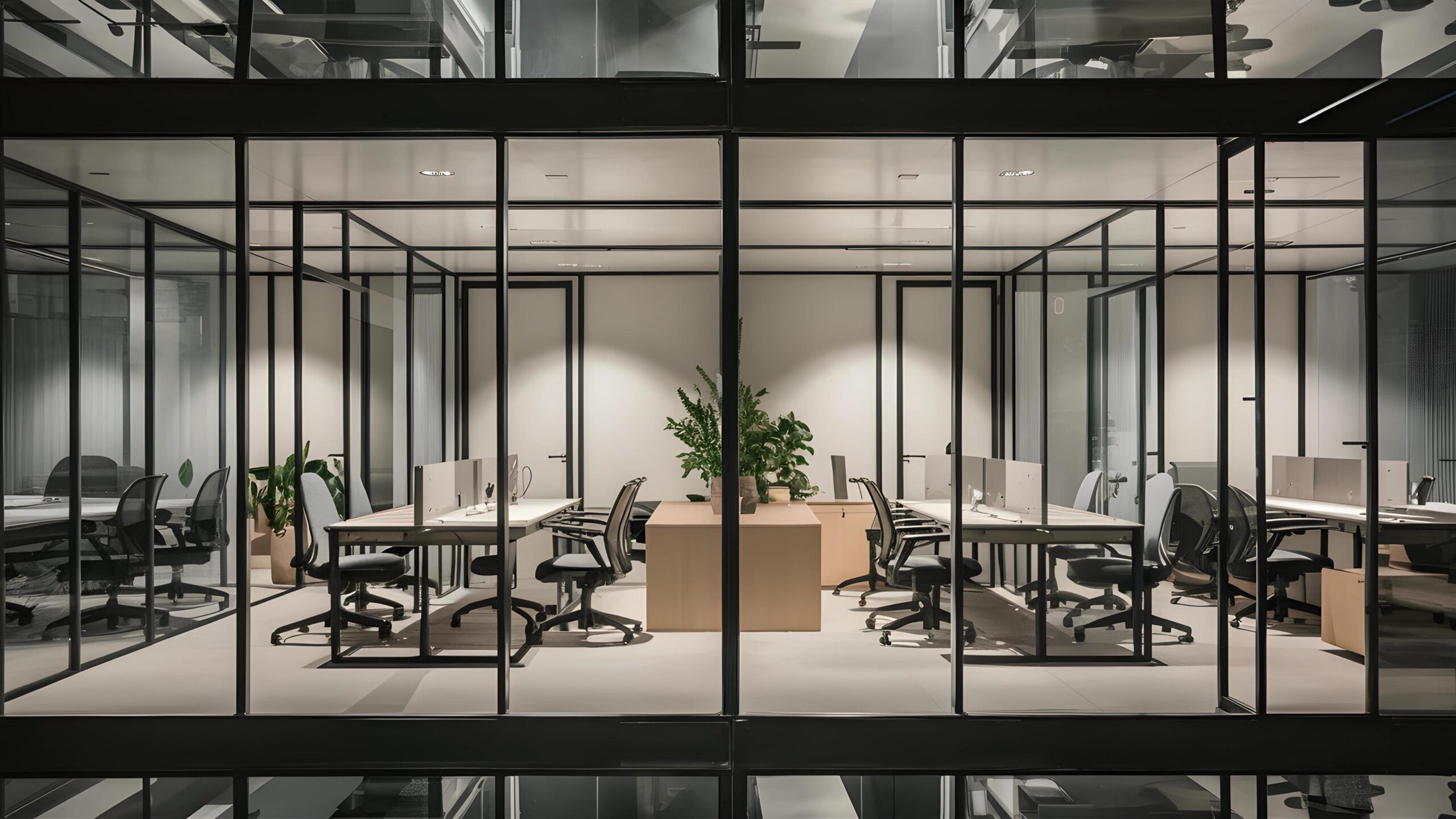
Residential lighting is largely about mood and ambiance. Commercial lighting is about compliance, function, and human performance. Office spaces are subject to lighting codes that govern minimum illumination levels, emergency lighting requirements, and, in many jurisdictions, energy efficiency standards that residential projects are not held to.
Beyond code, the quality of light in an office affects how people feel throughout a full workday. Harsh overhead fluorescents cause fatigue. Insufficient task lighting creates eye strain. A well-executed office interior design plan layers ambient, task, and accent lighting in a way that keeps the space functional from morning to evening without wearing people down.
Durability and Traffic Flow Are Commercial-Grade Concerns
A residential interior designer selects materials for aesthetics and livability at a household scale. A commercial interior design consultation has to factor in traffic volume that a home simply never experiences. An office with fifty employees moving through it daily puts a fundamentally different kind of wear on flooring, hardware, and surfaces than a family home does.
This means material specifications in commercial office design favor durability, cleanability, and longevity over pure visual appeal. Flooring needs to handle heavy foot traffic without showing wear. Upholstery needs to be rated for commercial use. Hardware on cabinetry and doors needs to withstand repeated daily use across years, not just occasional handling.
Traffic flow is equally important. How people move between workstations, meeting rooms, break areas, and exits affects both productivity and safety. Office interior design plans for this flow deliberately, ensuring that the layout supports the way the team actually works rather than forcing people to adapt to a layout that was never designed with them in mind.
Know What Kind of Help You Need
Residential interior designers are skilled professionals who do exceptional work within their domain. The distinction being drawn here is not about quality. It is about specialization. If you are designing a home office within a residence, a residential designer is well-suited for that project.
If you are fitting out a commercial workspace, the investment in a commercial interior design consultation pays for itself in compliance, durability, and a space that genuinely supports the people working in it every day.
The scope is different. The expertise should be too.
FAQs
Q1. Can a residential interior designer work on a commercial office project?
A residential designer can bring strong aesthetic sensibility to any space, but commercial office design involves a distinct set of requirements – ergonomic standards, lighting compliance, commercial-grade material specifications, and traffic flow planning — that fall outside the typical scope of residential work. The difference is not about quality; it is about specialization. For a home office within a residence, a residential designer is well-suited. For a full commercial fit-out, a designer with commercial experience is the more practical investment.
Q2. Why does ergonomics matter more in an office than in a home?
In a home, comfort is personal. If a sofa is not ideal for posture, the consequences are minor, and the choice belongs to the individual. In an office, people spend the majority of their waking hours at their workstations. Poor ergonomic design – incorrect chair height, insufficient desk depth, poor monitor placement – leads to real physical strain and measurable drops in productivity. Getting ergonomics right from the start is significantly less expensive than retrofitting a space after problems begin.
Q3. How is commercial lighting different from residential lighting?
Residential lighting is primarily about mood and ambiance. Commercial lighting must meet code requirements for minimum illumination levels, emergency lighting, and energy efficiency standards that residential projects are not subject to. Beyond compliance, office lighting directly affects how people feel throughout the workday. Harsh overhead lighting causes fatigue; insufficient task lighting leads to eye strain. A well-planned office layers ambient, task, and accent lighting to keep the space functional from morning to evening.
Q4. Why do material choices differ between residential and commercial design?
Scale and frequency of use. A family home experiences a fraction of the daily traffic that even a modest office does. Fifty people moving through a workspace every day puts a fundamentally different kind of wear on flooring, hardware, upholstery, and surfaces. Commercial material specifications prioritize durability, cleanability, and longevity, not just visual appeal. Flooring must handle heavy foot traffic, upholstery must meet commercial ratings, and hardware must withstand years of repeated daily use
Q5. Why does traffic flow matter in office design?
How people move between workstations, meeting rooms, break areas, and exits affects both productivity and safety. A layout that forces people to navigate awkwardly or disrupts natural movement patterns adds friction to the working day in ways that are easy to underestimate. Commercial office design deliberately plans traffic flow, ensuring the layout supports how the team actually works rather than requiring them to adapt to a space that was never designed with them in mind.