
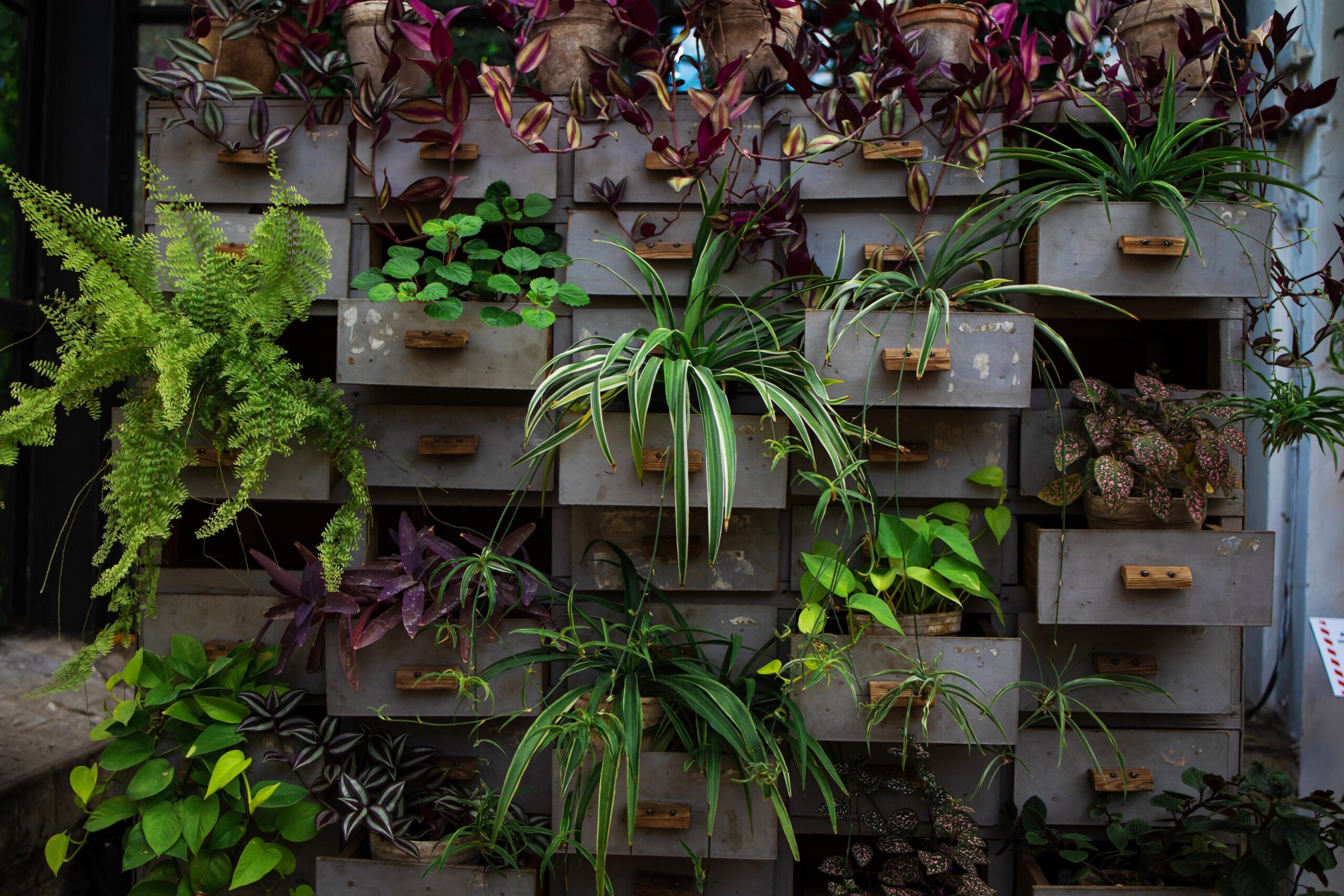
Not everyone has a sprawling backyard to work with, and that is completely fine. Most Indian homes today are apartments, row houses, or small independent plots, where outdoor space is measured in square feet rather than acres. The good news is that some of the most charming gardens are the tiniest ones. With the right layout and a bit of planning, a narrow balcony, a small terrace, or even a bare corner inside your living room can become a green retreat you actually enjoy spending time in.
This guide focuses purely on home garden ideas for small spaces, the kind of practical, space-saving solutions that work in real Indian homes with real constraints like limited sunlight, shared walls, and weight limits on balconies.
Key Takeaways
- Use vertical space (walls, railings, ceilings) before you touch the floor.
- Match plants to the actual sunlight your space gets, not what looks good in photos.
- Tiered stands and hanging planters let you grow more without adding clutter on the floor.
- Lightweight fiber pots and grow bags are safer choices for balconies and terraces.
- Grouping plants by watering needs and choosing slow growers keeps upkeep low.
Why Small Space Gardens Need a Different Approach
A large garden gives you room for error. Plant something in the wrong spot, and you simply move it a few feet away. In a small space, every inch counts, so planning has to be tighter from day one.
The three biggest challenges homeowners face with compact gardens are:
- Not enough floor space for pots and planters
- Limited or inconsistent sunlight, especially in apartments facing narrow lanes
- Difficulty keeping the space looking neat rather than cluttered
Once you accept these constraints and design around them rather than fight them, small-space gardening becomes simpler than most people expect.
Home Garden Ideas for Small Spaces in India
Indian homes come with their own practical realities. Dust, heat, monsoon rain, and shared building spaces all shape what actually works. Here are ideas suited specifically to Indian living conditions.
Use Railing and Wall Space Before Floor Space
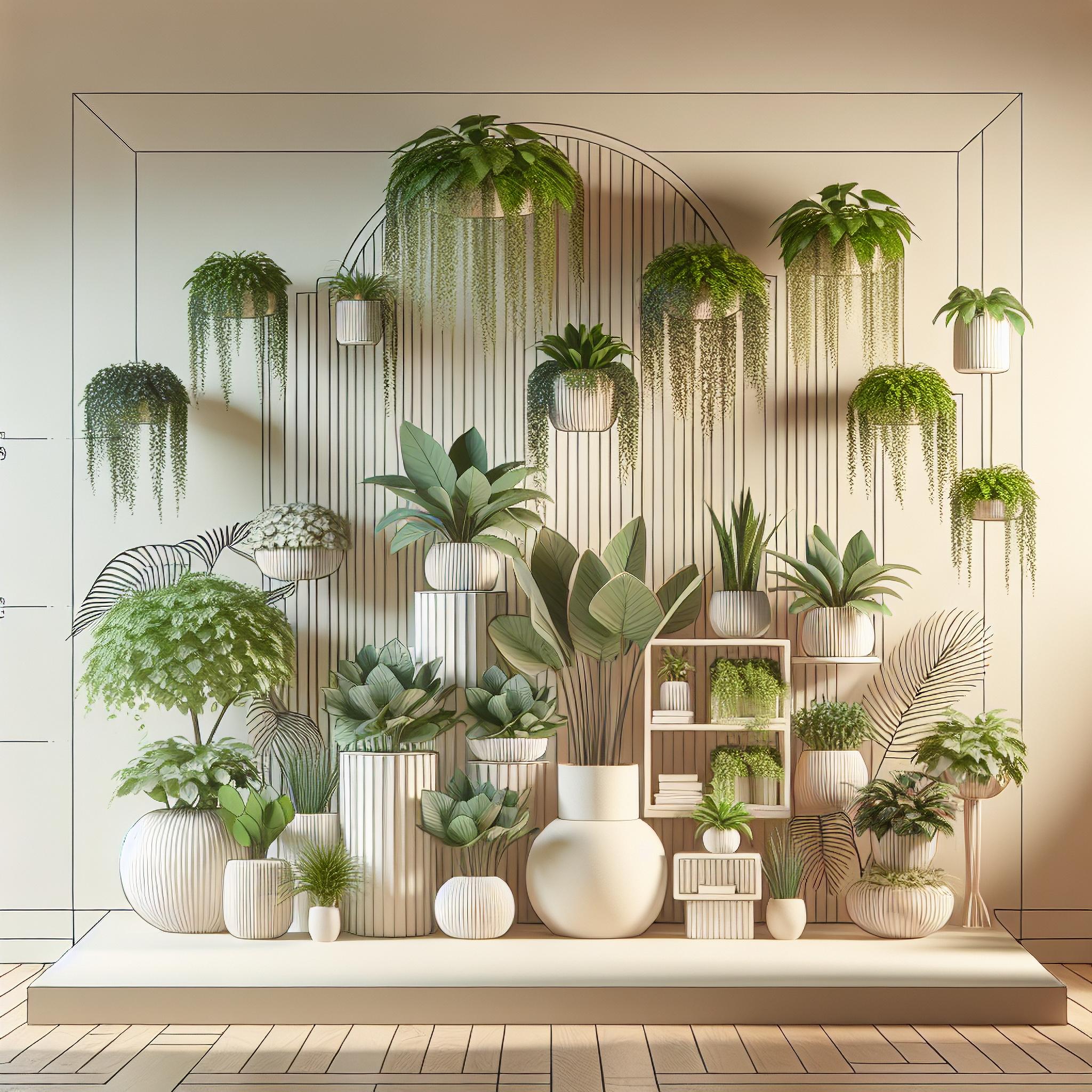
In most small Indian homes, floor space disappears fast. Before adding a single pot to the ground, check what your railings and walls can support.
Railing planters that clip directly onto balcony grills are one of the easiest wins. They come in plastic, metal, or coir designs and let you grow marigolds, petunias, or small herbs without using an inch of floor area. Choose rust-resistant clips, since monsoon humidity weakens cheap metal fittings within a year.
Choose Stackable and Tiered Planters
A single flat row of pots eats up a lot of horizontal space. Tiered plant stands solve this by letting you grow more in the same footprint, going upward instead of outward.
A three- or four-tier metal stand in a corner can hold six to twelve small pots. This works well for easy-to-maintain garden ideas, since watering an entire tier takes the same effort as watering one pot, but gives you far more greenery for it.
Work With the Sun You Actually Get
Many small balconies and terraces in Indian cities receive partial sun due to neighboring buildings. Rather than fighting for full-sun plants, choose what your space genuinely receives.
- East-facing spaces with a few hours of morning sun suit money plant, peace lily, and ferns
- Spaces with strong afternoon sun do well with succulents, aloe vera, and marigold
- Fully shaded corners can still support pothos, snake plant, and ZZ plant
Matching plants to your actual light conditions, rather than what looks good in a photo, is the biggest factor in whether a small garden thrives or struggles.
Mini Garden Inside the House
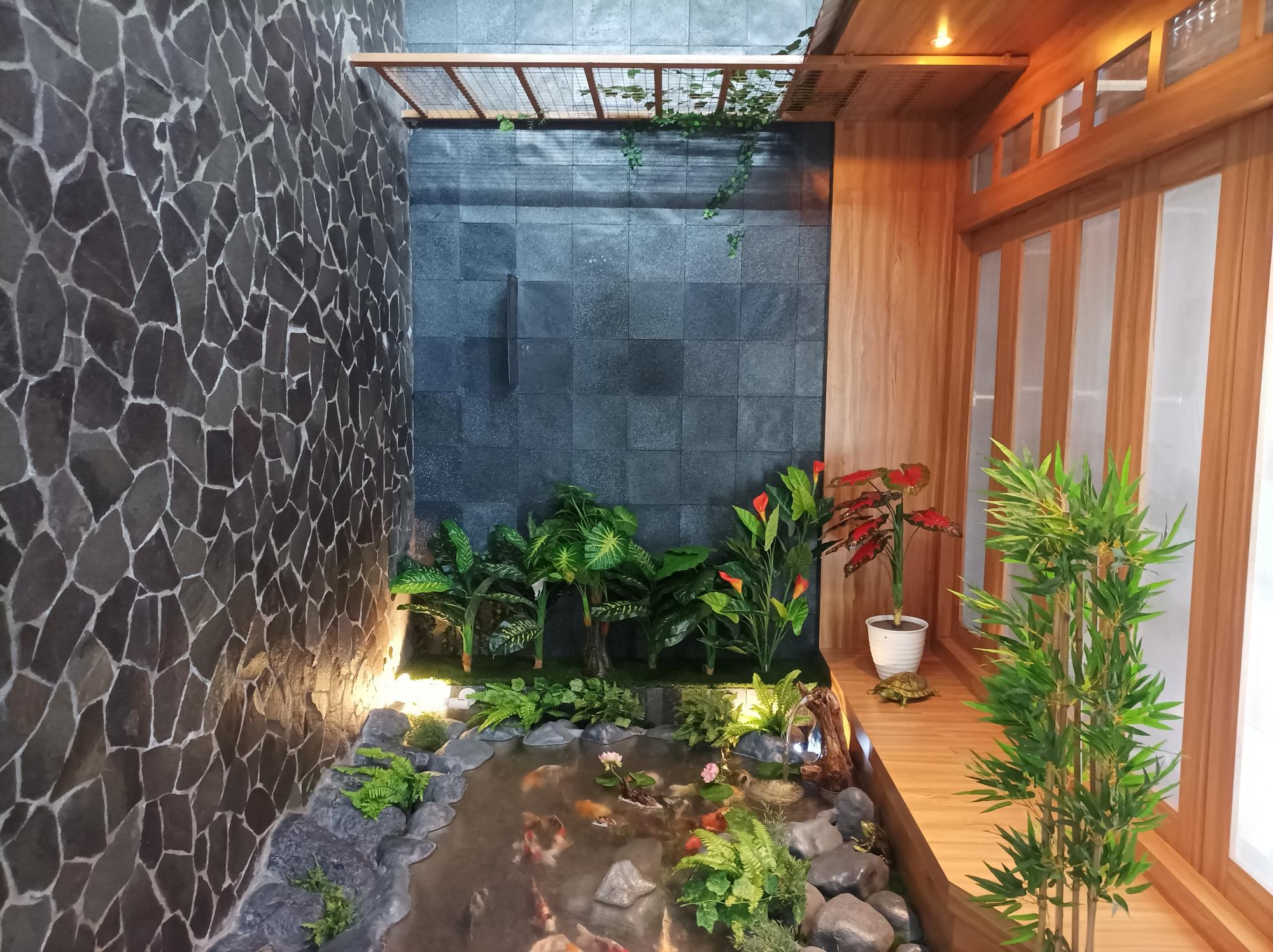
Not every home has outdoor space, and that should not stop anyone from having greenery. A mini garden inside the house can live on a windowsill, a shelf, or even a spare corner of a kitchen counter.
The Windowsill Herb Patch
A sunny kitchen window is one of the most underused spots in Indian homes. A row of small pots with coriander, mint, curry leaves, and tulsi turns that ledge into both a decorative feature and a functional herb supply for cooking. Keep the pots shallow, use a drainage tray underneath, and rotate them every few days so all sides get even light.
A Dedicated Green Corner
If you have a spare corner near a window, even one that is just two feet by two feet, you can create a proper indoor mini garden. Combine one taller floor plant, such as an areca palm or rubber plant, with two or three smaller potted plants at varying heights on a small side table or stand. This layered look, with a tall plant at the back and shorter ones in front, creates the illusion of a fuller garden even in a very tight footprint.
Hanging Planters for Ceiling Space
Floor and shelf space often run out first, but ceiling space almost never gets used. Hanging planters with trailing plants like money plant, string of pearls, or Boston fern add greenery at eye level and above, without taking up any usable floor room. A single S hook and a macrame or metal hanger is all you need to get started.
Small Balcony Gardens That Actually Work
Small balcony gardens are probably the most common form of home gardening in Indian cities right now, and for good reason. Even a narrow three-foot-by-six-foot balcony can become a proper green space with the right layout.
Measure Before You Buy Anything
This sounds basic, but it is the step most people skip. Before buying pots or racks, measure your balcony’s exact width and note where the door swings open, where the drying rack sits, and where the sun hits at different times of day. This ten-minute exercise saves you from plant stands that block your walking path.
Go Vertical With a Simple Grid
A wall-mounted grid or trellis panel, sold cheaply at most nursery shops, gives you a flexible vertical surface. Hook small pots onto it, train a creeper up it, or mix both. It is one of the most affordable ways to expand your growing space without investing in heavy furniture.
Pick Lightweight, Weather-Resistant Pots
Terracotta looks lovely but is heavy and can crack in temperature swings. For balconies, especially on upper floors, lightweight fiber or resin pots are a better long-term choice. They resist cracking, avoid adding unnecessary load to the balcony structure, and now come in enough finishes to still look elegant.
Keep a Working Path
It is tempting to fill every inch of a small balcony with plants, but leave at least a narrow strip to actually stand or sit in. A garden you cannot enjoy in person defeats the purpose. Even one small stool next to a cluster of plants makes the space feel usable rather than just decorative.
Terrace Garden at Home: Making the Most of Open Roof Space
A terrace garden at home offers more flexibility than a balcony, since you usually have more open floor space and better sun exposure. But terraces come with their own considerations, mainly weight, drainage, and heat.
Check the Load Before You Plant Big
Before setting up a large terrace garden, check with a structural person or your building’s maintenance team about how much weight the roof can safely handle, especially for raised beds filled with soil. Lightweight potting mix and fiber containers reduce this load considerably compared to heavy clay pots or cement planters.
Use Modular Planter Boxes on Wheels
Modular planter boxes with wheels are extremely practical on terraces. You can move them to catch more sun in winter and shift them to shade during peak summer afternoons. This flexibility matters in India, where the difference between April sun and December sun on the same terrace spot can be dramatic.
Create a Shaded Sitting Pocket
Terraces get direct sun most of the day, which can make them uncomfortable to use in peak summer. A simple shade net, a bamboo screen, or a large patio umbrella over one corner creates a shaded pocket where you can sit even at noon. Pair this with a couple of potted plants around the seating spot rather than spreading greenery evenly across the whole terrace.
Grow a Small Kitchen Patch
Terraces are a great spot for a compact vegetable patch since they usually get more consistent sun than balconies. A few grow bags with tomatoes, chilies, brinjal, or spinach do not take up much space and yield a genuinely useful harvest. Grow bags are also lighter and easier to manage than permanent raised beds, which matters if you are renting or unsure about long-term plans for the space.
Easy-to-Maintain Garden Ideas for Busy Schedules
A small garden should not become another item on your daily chore list. These easy-to-maintain garden ideas keep the upkeep light without sacrificing how the space looks.
Group Plants by Watering Needs
One of the simplest ways to cut down maintenance time is to group plants with similar water needs together. Succulents and cacti that need watering once a week should not sit next to ferns that need daily attention. Watering in groups rather than checking each pot individually takes far less time overall.
Choose Self-Watering Pots for Frequent Travelers
If you travel often or simply forget to water regularly, self-watering pots with a small reservoir at the base are worth the investment. They release moisture gradually and can keep most common houseplants healthy for a week or more without any intervention.
Mulch Even in Small Pots
Mulching is usually associated with large gardens, but even a small pot benefits from a thin layer of mulch, whether that is dried leaves, coco peat, or small pebbles on top of the soil. It slows down water evaporation, meaning you water less often, and keeps the soil surface from looking patchy and dry.
Pick Slow Growers Over Fast Spreaders
Fast-growing plants look impressive quickly but demand frequent pruning and repotting, especially in small containers. For a genuinely low-effort space, lean toward slower-growing options like ZZ plant, snake plant, peace lily, and jade plant. They hold their shape for months without needing constant trimming.
Set a Fixed Weekly Routine
Rather than watering or checking on plants whenever you remember, fix one or two specific days a week for garden care. A short fifteen-minute routine, checking soil moisture, wiping dust off leaves, and removing yellowing leaves, keeps a small garden looking consistently good instead of swinging between neglect and sudden fuss.
Bringing It All Together
A small space does not have to mean a small amount of greenery. Whether you are working with a narrow balcony, an open terrace, or just a sunny windowsill inside your home, the same principles apply. Use vertical space before floor space, match plants to the actual light you get, and keep the maintenance routine realistic for your lifestyle.
Start small, with just a handful of pots in the right spot, and expand once you see what genuinely thrives in your specific corner of the house. A well-planned small garden, even one that fits in a single balcony corner, can become one of the most used and loved spaces in your entire home.
FAQs
Q1: What are the best home garden ideas for small spaces in India? Vertical planters, tiered stands, railing planters, and lightweight grow bags work best. They let you grow more without needing extra floor area, which suits most Indian apartments and independent homes with limited outdoor space.
Q2: How do I set up a mini garden indoors if I have no balcony? Use a sunny windowsill for herbs, a spare corner for a layered plant grouping, or hanging planters near a window. Indoor plants like pothos, snake plant, and ZZ plant do well even with limited natural light.
Q3: What plants suit small balcony gardens with partial sunlight? For partial sun, money plant, peace lily, and ferns work well. For stronger afternoon sun, succulents, aloe vera, and marigold are more reliable choices.
Q4: Is a home terrace garden more maintenance-intensive than a balcony garden? Not necessarily. A terrace often receives more consistent sun, which can reduce the watering frequency for sun-loving plants. The main extra consideration is checking the roof’s weight capacity before adding large planters or raised beds.
Q5: What are some easy-to-maintain garden ideas for people with busy schedules? Group plants by watering needs, choose self-watering pots, mulch the soil surface, and pick slow-growing varieties like snake plant or jade plant. A fixed weekly routine of fifteen minutes is usually enough to keep a small garden looking healthy.