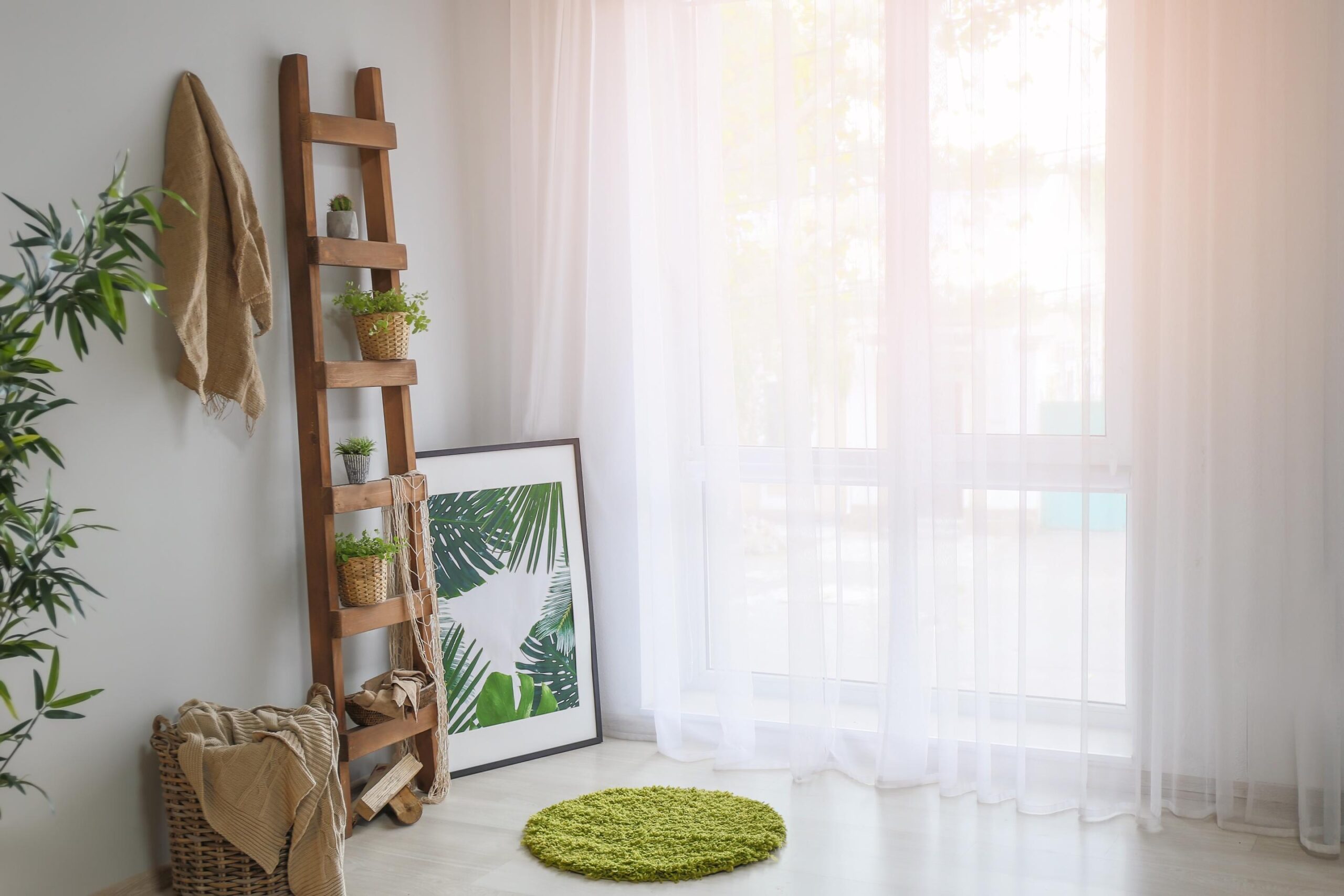
Most people think going green at home means spending a fortune on solar panels and rare bamboo furniture. It does not have to be that dramatic. Eco-friendly interior design is really about making smarter choices with what you already have, and swapping out the things that are quietly harming your health and the planet with better alternatives.
If you want the full picture on sustainable homes, from water conservation to biophilic design, our pillar guide on sustainable interior design covers it in depth. This blog is more hands-on. It is about the practical, everyday changes you can start making this weekend.
Key Takeaways
- Natural ventilation and daylight can cut your energy bills and improve indoor air quality without spending a rupee on renovation.
- Organic, non-toxic bedding protects your skin and lungs from chemicals you cannot see.
- Eco-friendly wall design goes beyond paint; think clay finishes, reclaimed wood, and living walls.
- Sustainable furniture made from reclaimed or FSC-certified wood lasts longer and looks better with age.
- Flooring choices like bamboo, cork, and reclaimed wood are durable, biodegradable, and low-maintenance.
- Solar-powered lighting is one of the easiest and most affordable upgrades for outdoor and indoor spaces.
Why Eco-Friendly Interior Design Matters More Than You Think
Your home is where you spend most of your life, sleeping, eating, working, raising kids. What goes into building and decorating it does not just affect the environment outside; it affects the air you breathe inside every single day.
Conventional paints, synthetic fabrics, and pressed wood furniture often release volatile organic compounds, known as VOCs, into your indoor air for years after installation. Add poor ventilation to the mix, and you get a home that looks great in photos but is quietly working against your health.
Eco-friendly interior design fixes this at the source. It is not a trend; it is a return to common sense, using materials that breathe, choosing furniture that lasts, and letting nature do some of the heavy lifting instead of relying entirely on machines.
Let Natural Ventilation Do the Work
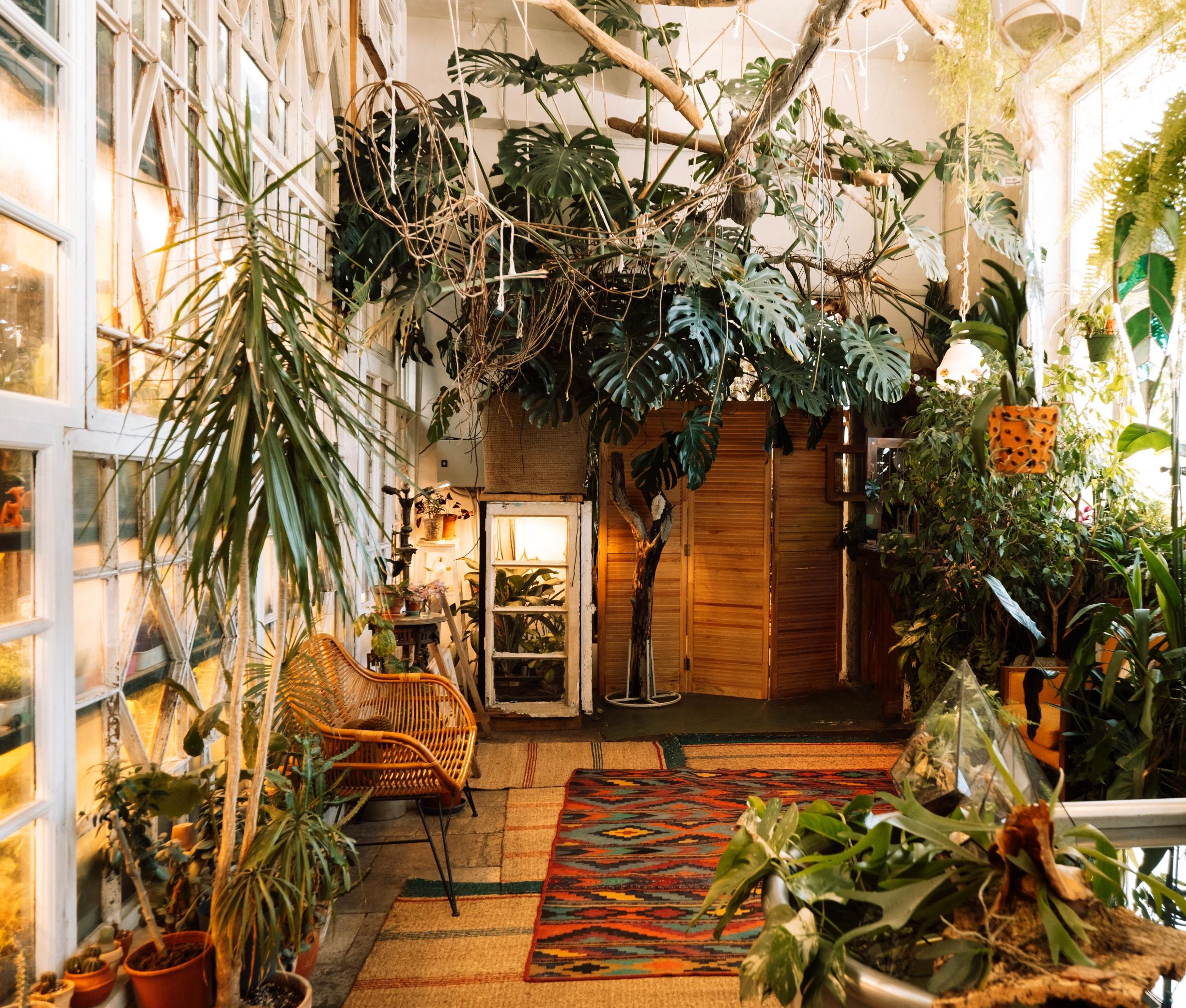
Before you think about air purifiers and exhaust fans, look at how air actually moves through your home. Natural ventilation is the oldest, cheapest, and most effective way to keep indoor air fresh.
Here is how to make it work for you:
Cross ventilation- Open windows on opposite walls of a room so air can flow through instead of just sitting in one corner. Even a small gap on both sides makes a noticeable difference.
Stack ventilation- Hot air rises. If your home has a staircase, skylight, or vent near the ceiling, use it. Cooler air comes in low, warm air escapes high, and the room naturally cools itself.
Window placement and design- If you are renovating, place windows to catch the prevailing breeze in your area. Louvered windows or ones that open fully work better than sliding windows that only open halfway.
Courtyards and open layouts- Traditional Indian homes used courtyards for a reason. If you have the space, even a small internal courtyard or an open balcony connected to your living room can pull air through the entire house.
Good ventilation reduces your dependence on air conditioning, which cuts electricity use and your carbon footprint in one move. It also keeps humidity in check, which means less mould and fewer dust mites.
Choose Organic, Non-Toxic Bedding
We spend roughly a third of our lives in bed, yet bedding is one of the most overlooked areas when people think about eco-friendly homes. Most conventional cotton sheets are grown with heavy pesticide use and then treated with formaldehyde and other chemical finishes to make them wrinkle-free.
Switching to organic non-toxic bedding is a small change with a big payoff.
Organic cotton is grown without synthetic pesticides or fertilizers, and it is softer on skin, especially for people with allergies or sensitive skin.
Linen is naturally breathable, gets softer with every wash, and needs far less water to produce than conventional cotton.
Bamboo bedding is moisture-wicking, naturally antibacterial, and grows quickly without much water or pesticides.
Wool-filled duvets and pillows regulate temperature naturally, so you rely less on the AC or heater at night.
When shopping, look for certifications like GOTS (Global Organic Textile Standard) or OEKO-TEX, which confirm the fabric is free from harmful chemicals through the entire production process. Also skip anything labeled wrinkle-free or stain-resistant, since those finishes usually involve chemical treatments.
Rethink Your Walls
Walls take up the largest visual space in any room, so the materials you choose here matter more than you might expect.
Clay and lime plaster- These natural finishes regulate humidity, resist mould, and have a soft, textured look that paint simply cannot replicate. They also last for decades without peeling.
Low or zero VOC paints- If plaster is not an option, at least switch to low-VOC or zero-VOC paints. Most major paint brands in India now offer these lines, and the price difference is minimal.
Reclaimed wood paneling- Adding a reclaimed wood accent wall brings warmth and texture while keeping old timber out of landfills. It works beautifully in living rooms and bedroom headboards.
Cork panels- Naturally sound-absorbing, renewable, and available in warm, earthy tones. Great for home offices or media rooms where you want a bit of acoustic control.
Living walls- A vertical garden, even a small one, improves air quality and adds a calming green element to any room. Start small with a simple wall-mounted planter setup if a full living wall feels like too much.
Eco-friendly wall design is also about restraint. Skip the wallpaper made from PVC and vinyl, and think twice before covering every wall with a different texture. Simplicity itself is sustainable, since it means fewer materials and less waste.
Invest in Sustainable Furniture
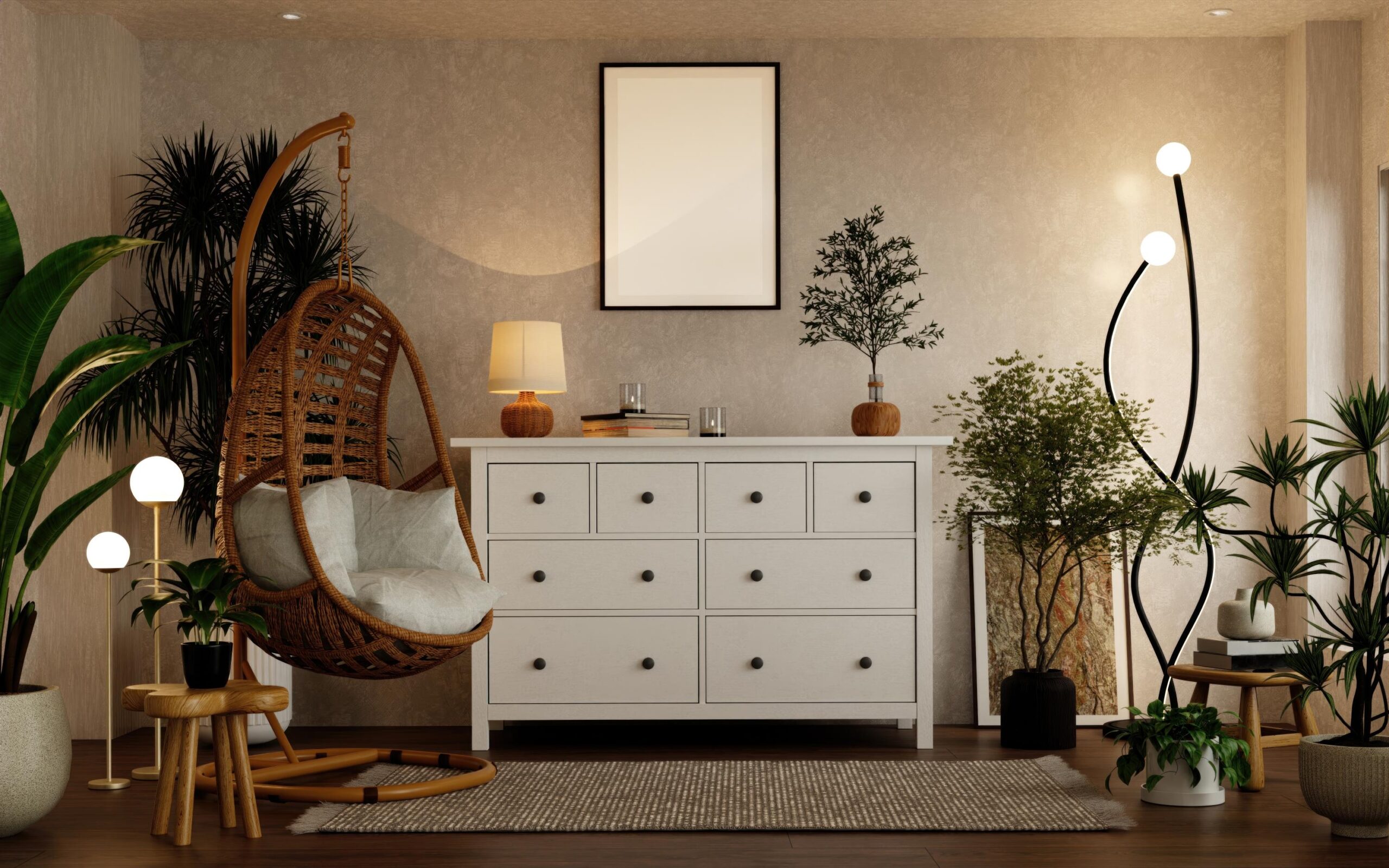
Fast furniture is the fashion industry’s twin sibling. Cheap, mass-produced pieces made from particleboard and glued veneers look fine for a year or two, then end up in a landfill. Sustainable furniture for home use flips this cycle.
What to look for:
Reclaimed and salvaged wood – Furniture made from old barns, shipping pallets, or demolished buildings has character that new wood cannot match, and it keeps usable material out of waste streams.
FSC-certified wood – The Forest Stewardship Council certification means the timber came from responsibly managed forests. Many Indian furniture brands now carry this label.
Bamboo and rattan – Both grow fast, need minimal water, and are naturally strong. Bamboo furniture works well for shelving and side tables, while rattan is perfect for chairs and lounge pieces.
Secondhand and vintage pieces- Sometimes the most sustainable furniture is furniture that already exists. Antique markets, thrift stores, and online resale platforms often have solid wood pieces built decades ago that will outlast anything new you buy today.
Modular and multi-use furniture- A sofa bed, an extendable dining table, or storage ottomans reduce the total number of items you need, which means less material consumed overall.
When buying new, ask about the finish too. Water-based lacquers and natural oil finishes are far better than solvent-based ones that off-gas for months.
Pick the Right Eco-Friendly Flooring
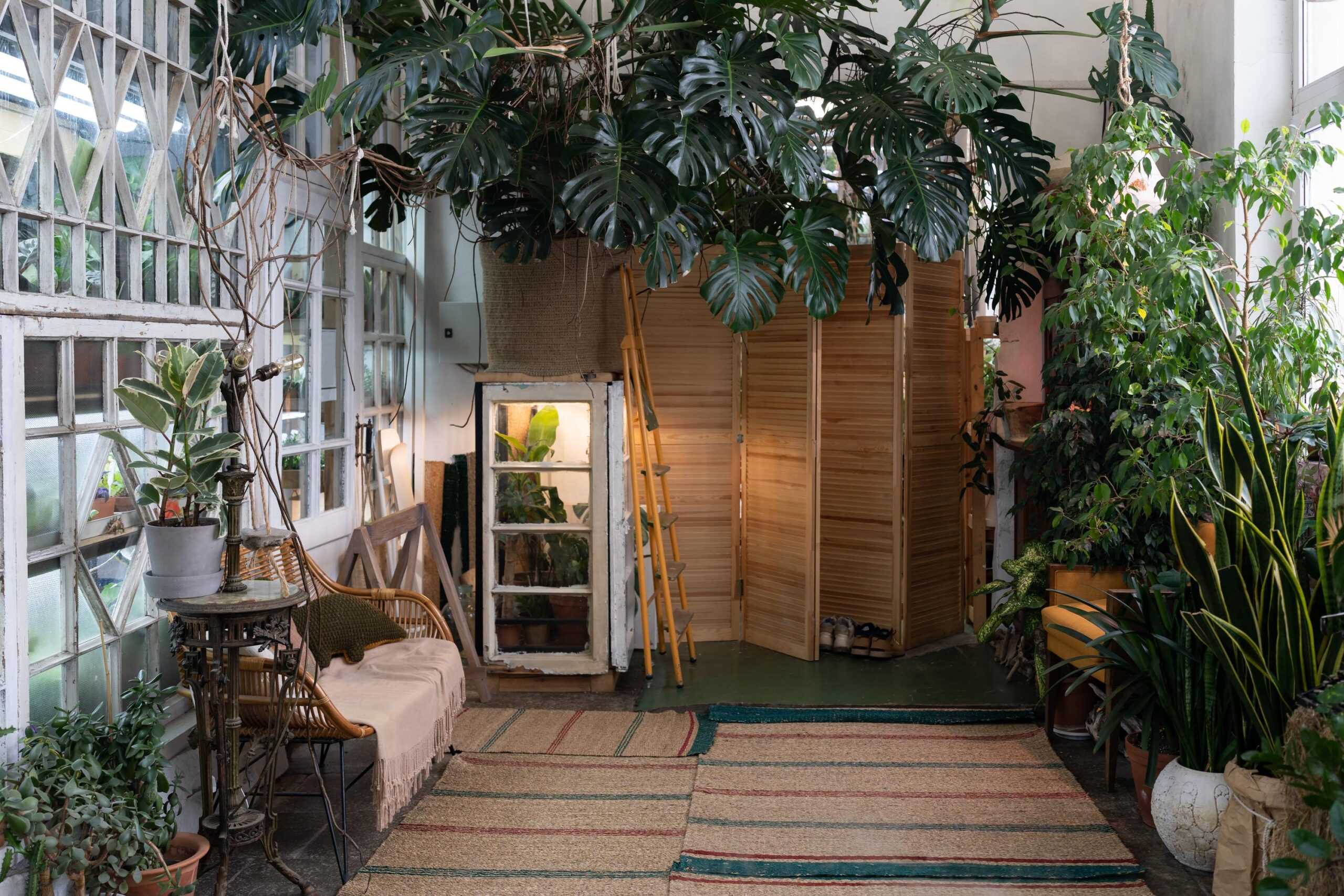
Flooring covers more surface area than almost anything else in your home, so this decision has an outsized environmental impact.
Bamboo flooring- Technically a grass, bamboo grows to maturity in about five years compared to decades for hardwood trees. It is hard, durable, and available in a range of finishes that mimic traditional wood.
Cork flooring- Harvested from the bark of cork oak trees without cutting down the tree itself, cork is soft underfoot, naturally insulating, and great for bedrooms or play areas.
Reclaimed hardwood- Salvaged from old buildings or furniture, reclaimed wood flooring has already proven it can last for generations, and it adds a rustic, lived-in character.
Natural linoleum- Not to be confused with vinyl, real linoleum is made from linseed oil, cork dust, and wood flour. It is biodegradable, durable, and comes in a surprising range of colors.
Terracotta and clay tiles- A classic choice in many parts of India, terracotta tiles are made from natural clay, keep interiors cool, and age gracefully over time.
Avoid vinyl and laminate flooring where possible. Both are petroleum-based, difficult to recycle, and often release VOCs for years after installation.
Add Solar-Powered Lighting
This is probably the easiest entry point into eco-friendly interior design, and it does not require ripping anything out.
Outdoor solar lights. Solar-powered lighting for balconies, gardens, and entryways has come a long way. Modern options are stylish, bright, and charge fully during the day with zero electricity cost at night.
Solar-powered indoor fixtures. Some brands now make small solar lamps and string lights designed for indoor use near windows, ideal for reading corners or accent lighting.
Skylights and solar tubes. If you are renovating, adding a skylight or a solar tube brings natural daylight into interior rooms that never see the sun, cutting your need for artificial lighting during the day.
LED bulbs paired with solar setups. Pair any solar lighting system with LED bulbs rather than incandescent ones. LEDs use a fraction of the energy and last many times longer, so your solar setup goes further.
Solar-powered lighting pays for itself quickly, especially with how frequently Indian cities deal with power cuts. It is a small investment that keeps your home lit no matter what the grid is doing.
Bringing It All Together
Eco-friendly interior design is not about overhauling your entire home in one weekend. Start with one room. Maybe it is switching your bedding to organic cotton, or adding a solar light on the balcony, or choosing a low-VOC paint for your next touch-up.
Each choice compounds. Better ventilation reduces your AC use. Better bedding improves your sleep. Better furniture means fewer trips to buy replacements. Over time, these small, practical decisions add up to a home that is healthier for you and lighter on the planet.
If you want to go deeper into the full picture of sustainable living at home, including water conservation and biophilic design principles, check out our complete guide on sustainable interior design for homes.
FAQs
1. Is eco-friendly interior design more expensive than regular design?
Not necessarily. Some choices, like solar lighting or secondhand furniture, actually save you money over time. Others, like organic bedding or FSC-certified wood, may cost slightly more upfront but last longer and avoid replacement costs down the line.
2. What is the easiest eco-friendly change to start with?
Improving natural ventilation costs nothing and makes an immediate difference. Solar-powered lighting is a close second since it is affordable, easy to install, and does not require any structural changes.
3. Are eco-friendly materials as durable as conventional ones?
Often more so. Reclaimed wood, cork, bamboo, and terracotta have all proven their durability over generations, sometimes outlasting modern synthetic alternatives.
4. How do I know if a paint or fabric is genuinely non-toxic?
Look for recognized certifications. For paint, check for low-VOC or zero-VOC labeling. For fabrics, GOTS and OEKO-TEX certifications confirm the material was produced without harmful chemicals.
5. Can renters make their homes more eco-friendly too?
Absolutely. Solar lights, organic bedding, natural ventilation habits, and low-VOC paint touch-ups do not require permanent structural changes, making them perfect for rented homes.
6. Does eco-friendly interior design mean sacrificing style?
Not at all. Materials like reclaimed wood, cork, terracotta, and rattan bring warmth and texture that mass-produced synthetic materials rarely achieve. Many eco-friendly homes end up looking more distinctive, not less.