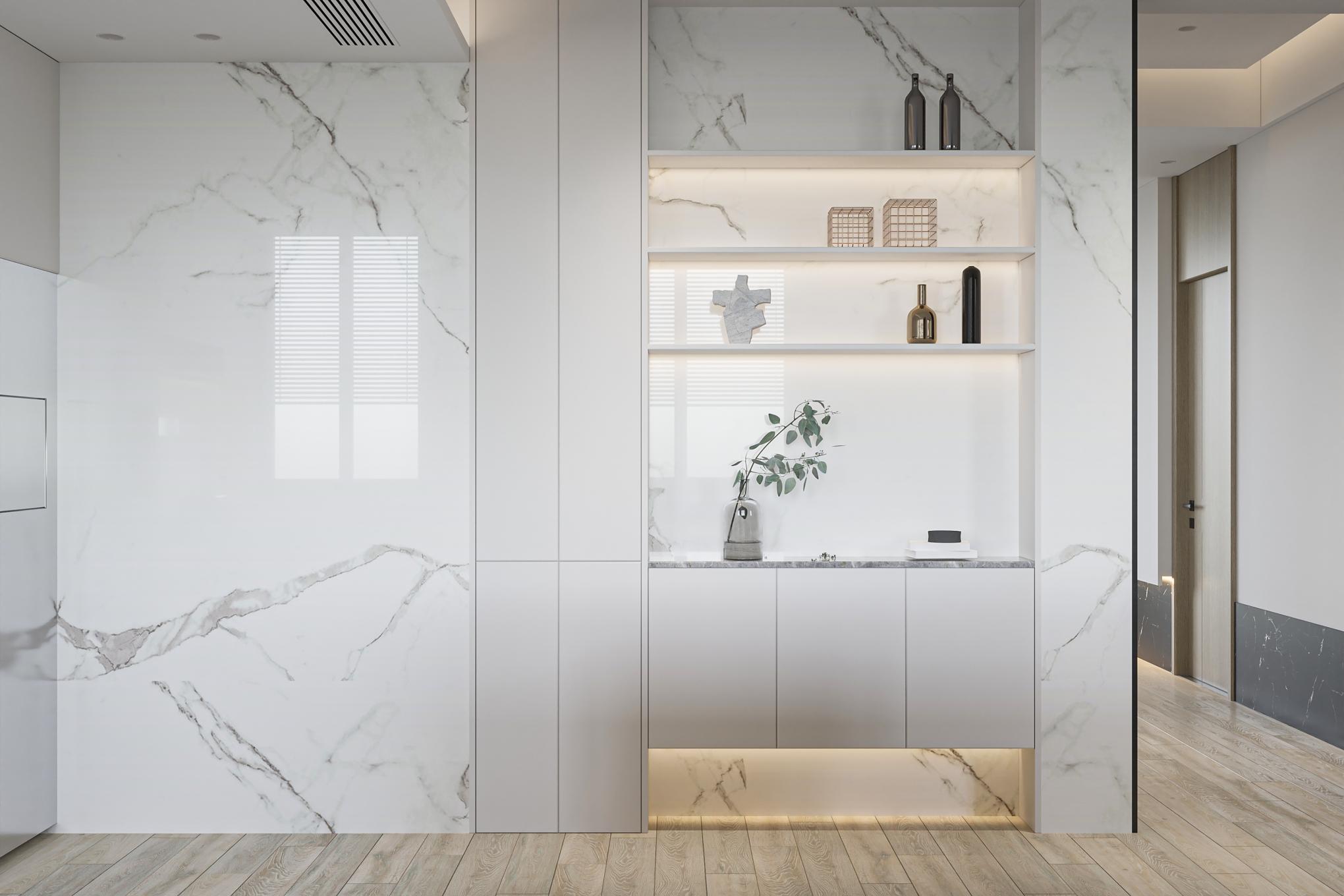
Your foyer is the first thing people see when they walk into your home, yet it’s often the last space anyone thinks to decorate. A blank, boring wall right at the entrance sets the wrong tone before guests even take their shoes off. The good news? You don’t need a huge budget or a full renovation to fix it. With the right foyer wall design ideas, you can turn that awkward strip of wall into the most memorable part of your home.
This guide walks you through practical, stylish ways to style your entrance wall decor, pick the right mirror and console combo, add texture without overdoing it, and build a gallery wall that actually looks intentional. Let’s get into it.
Key Takeaways
- A foyer wall doesn’t need to be huge to make an impact. Even a narrow strip benefits from a mirror, a console table, or a bold paint color.
- Mirrors are the single best tool for small or dark entryways because they bounce light around and make the space feel twice as big.
- Textured wall panels add warmth and depth without requiring a full remodel.
- Gallery walls work best when they follow a loose grid or a clear color theme, not just a random mix of frames.
- Paint color matters more in a foyer than almost any other room, since it’s the first impression of your entire home.
- Scale everything (mirror size, console height, art size) to the wall, not the other way around.
Why Your Foyer Wall Deserves More Attention
Most homeowners pour their design energy into the living room or kitchen and completely forget the entryway. But think about it this way: your foyer is basically the trailer for your entire house. If it feels thrown together, that impression sticks, even if the rest of your home is gorgeous.
A well-designed foyer wall does three things at once. It welcomes guests, it hints at your personal style, and it makes practical use of a space that’s often narrow and awkward. Whether you’re working with a grand two-story entry or a five-foot-wide hallway strip, there’s a design approach that fits.
Foyer Accent Wall Concepts That Actually Work
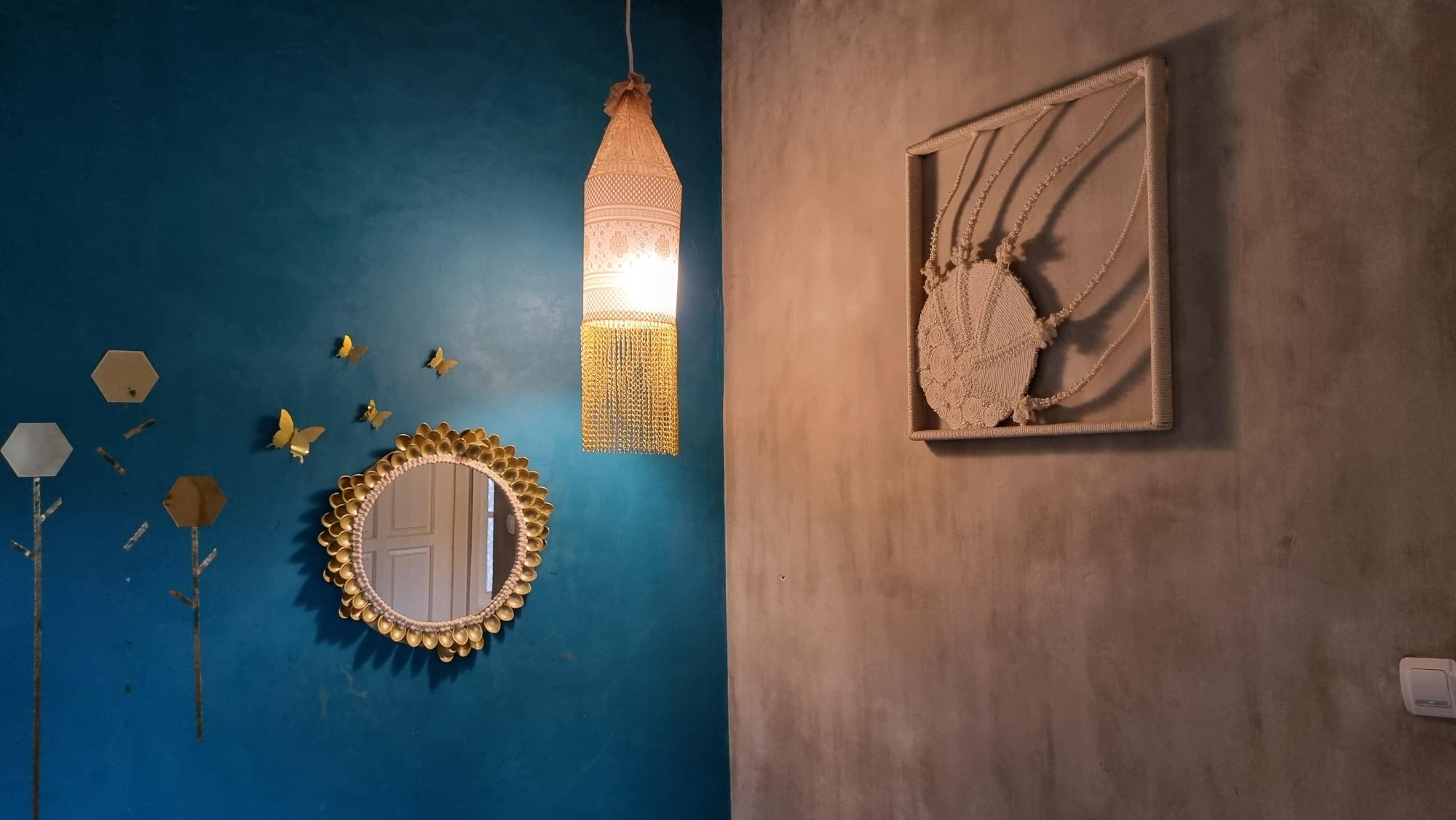
An accent wall is one of the fastest ways to give your entryway personality. But not every accent wall idea works in every space, so here’s how to choose one that suits yours.
Bold Color Blocking
If your foyer gets decent natural light, a deep, saturated color like forest green, navy, or terracotta can feel dramatic and cozy at the same time. Paint just one wall, usually the one directly facing the front door, so it grabs attention the moment someone steps inside.
Wallpaper With Personality
Wallpaper has made a massive comeback, and the foyer is the perfect low-commitment place to try it. Since it’s a smaller space, you can go bolder than you would in a bedroom or living room. Botanical prints, geometric patterns, and vintage-inspired designs all work beautifully here.
Two-Tone Walls
Split your wall horizontally with a darker shade on the bottom third and a lighter shade above, then add a thin trim line where they meet. This trick adds architectural interest to flat, builder-grade walls and makes ceilings feel taller.
Board and Batten or Wainscoting
For a more classic, textured look, board and batten paneling on the lower half of the wall brings instant character. Paint it a crisp white against a colored wall above, or keep it monochrome for a quieter, more elegant feel.
Entrance Wall Decor and Styling Basics
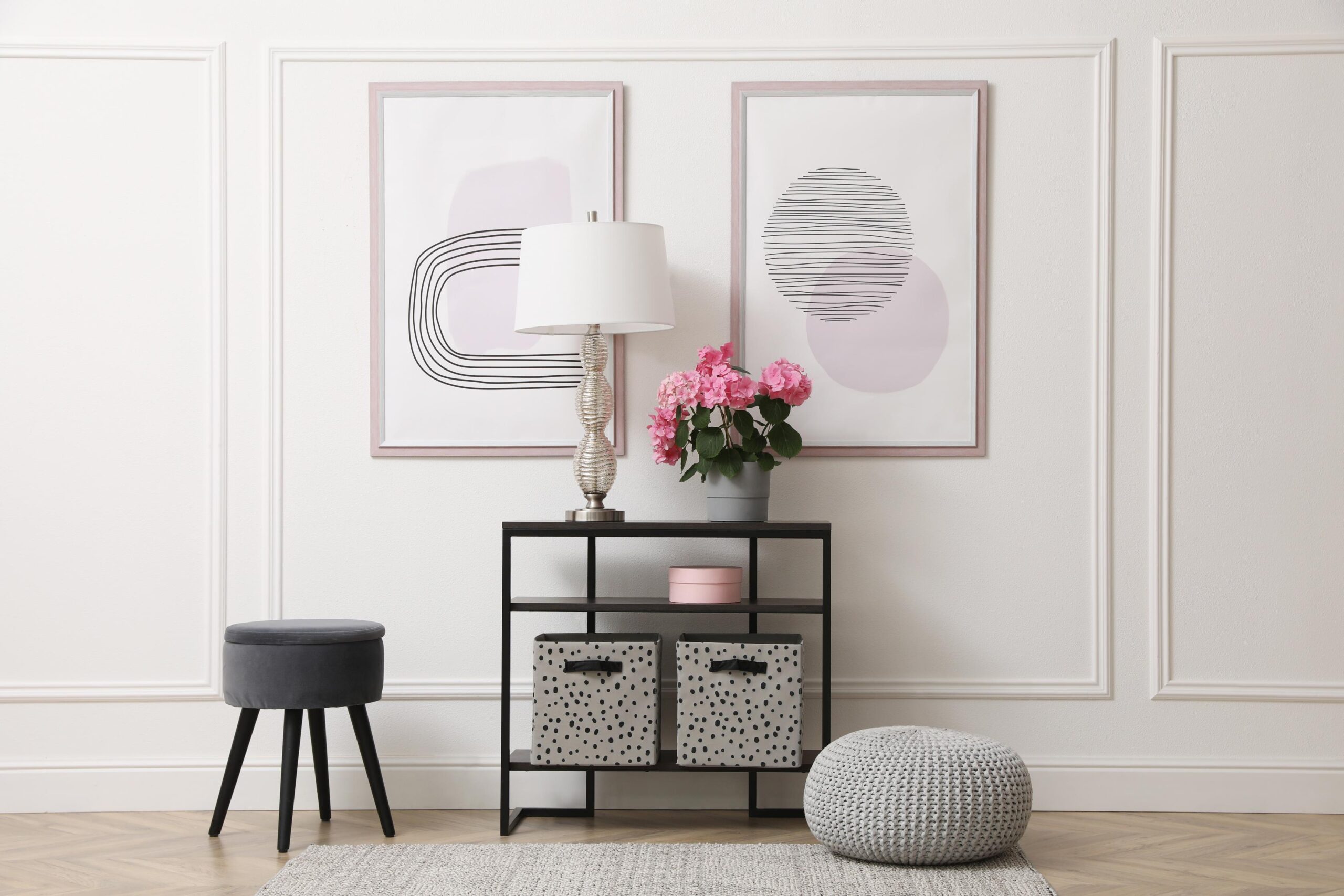
Before you start hanging things, it helps to think about your foyer wall in layers, almost like you’re building an outfit. Start with the base (paint, wallpaper, or paneling), add your furniture (console table), then layer in decor (mirror, art, lighting), and finish with small personal touches (a vase, a bowl for keys, a small plant).
A few styling rules that make a real difference:
- Keep a walkway clear. Nothing kills a good design faster than a console table people have to squeeze past.
- Use varying heights. A flat, single-level display reads as boring. Mix a tall lamp with a low bowl and a mid-height mirror or art piece.
- Don’t skip lighting. A wall sconce or a small table lamp on the console adds warmth in the evening when overhead lighting can feel harsh.
- Add one living element. A small plant or a fresh flower arrangement instantly makes the space feel less staged and more lived-in.
Entryway Mirror and Console Table Designs
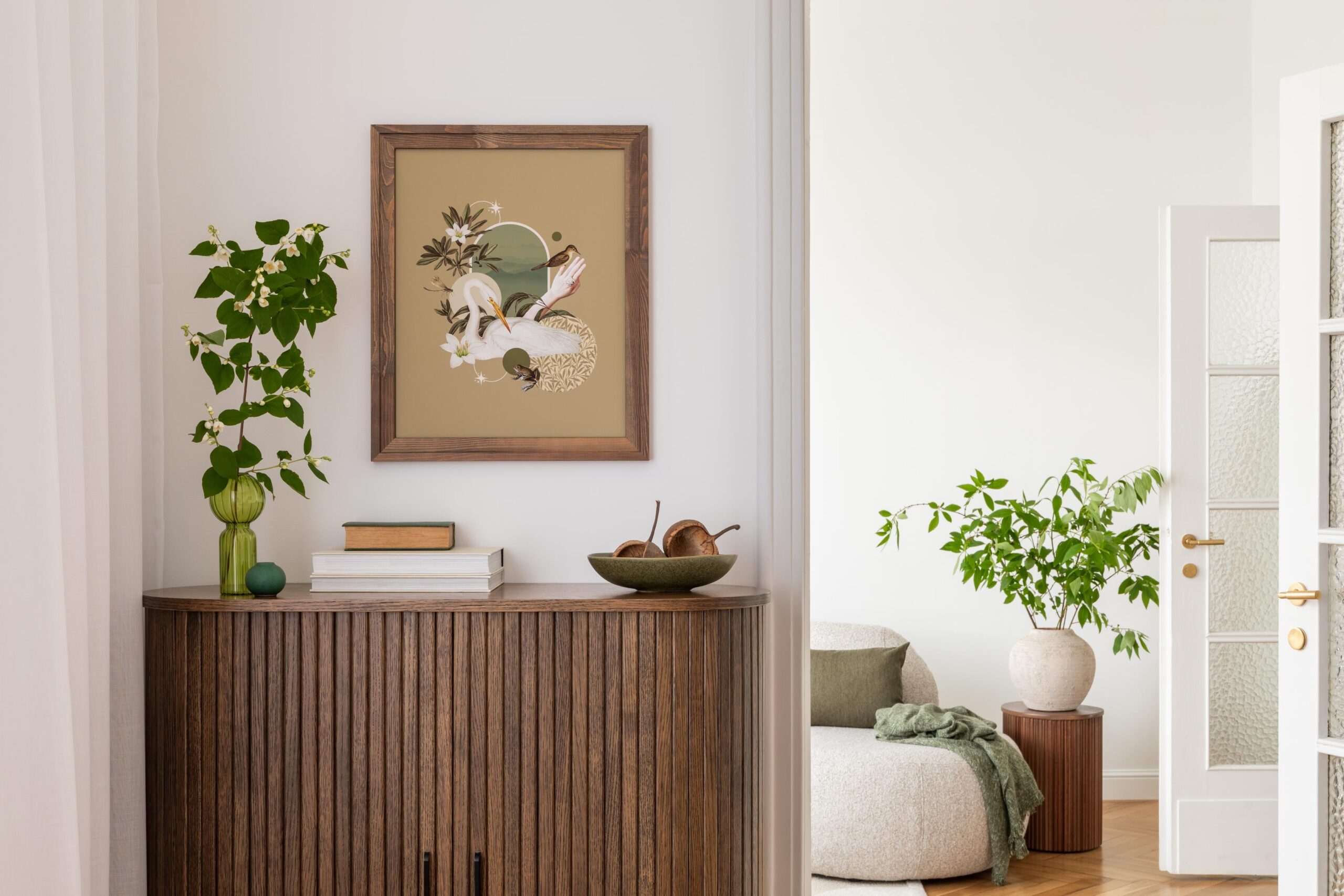
This combination is the backbone of most great foyer designs, and for good reason. It’s functional (a spot to check yourself before heading out) and it visually opens up the space.
Choosing the Right Console Table
Look for a console table that’s no deeper than 12 to 16 inches if your foyer is on the narrower side. Depth matters more than width here, since you want people to be able to walk past comfortably. A table with open legs, rather than solid sides, will also make the space feel less cramped.
Materials worth considering:
- Wood for warmth and a timeless feel
- Glass or acrylic tops if you want the piece to feel almost invisible in a tight space
- Metal frames for a more modern, industrial touch
Sizing the Mirror
This is one of the most common questions people have, so let’s break it down clearly. As a general rule, your mirror should be about two-thirds the width of your console table. So if your console is 36 inches wide, a mirror around 24 inches wide will look proportionate rather than overwhelming or lost.
Height matters too. Hang the mirror so its center sits roughly 60 to 65 inches from the floor, which is standard eye level for most adults. Leave about 6 to 8 inches of breathing room between the top of the console and the bottom of the mirror.
Shape can shift the whole mood of the space. Round mirrors soften a room full of straight lines and angles. Arched mirrors add a bit of old-world charm. Rectangular mirrors feel more tailored and work well in modern or minimalist entryways.
Textured Wall Panels for Hallways
If your foyer connects to a longer hallway, textured wall panels are one of the best ways to make that transitional space feel designed rather than forgotten.
Slat and Fluted Panels
Vertical wood slats, sometimes called fluted panels, have become hugely popular for good reason. They add a rich, spa-like texture and work in nearly any color scheme, from warm oak tones to painted black or white finishes.
3D Geometric Panels
For a more contemporary look, geometric wall panels made from MDF or PVC create shadow and depth without needing any additional artwork. They’re especially striking when painted a single color, since the texture does all the visual work.
Stone or Brick Veneer
A small section of exposed brick or stacked stone veneer near the entry adds an earthy, grounded feel. This works particularly well in farmhouse, industrial, or transitional style homes.
Why Texture Matters in Narrow Spaces
Textured wall panels for hallways aren’t just decorative, they’re practical too. Textured surfaces hide scuffs and marks far better than flat paint, which matters in a high-traffic area like an entryway. They also add depth to a wall that would otherwise feel flat and one-dimensional, especially helpful in narrow hallways that can start to feel like a tunnel.
Foyer Gallery Wall Layouts
A gallery wall is one of the most personal ways to decorate your entrance, but it’s also one of the easiest to get wrong. Here’s how to nail the layout.
The Grid Layout
If you like clean lines and symmetry, stick to same-size frames arranged in a tight, even grid. This works especially well in modern or minimalist homes and photographs beautifully.
The Salon Style Layout
This is the mix-and-match approach, combining different frame sizes, shapes, and even some mirrors or wall art alongside photos. It looks more eclectic and collected over time, but it needs a unifying thread, whether that’s matching frame colors, a consistent color palette in the photos, or all black and white imagery to keep it from feeling chaotic.
The Staircase Layout
If your foyer wall runs alongside a staircase, follow the incline of the stairs with your frames, keeping consistent spacing between each one. This draws the eye upward and makes great use of an otherwise tricky diagonal wall.
Practical Tips for Hanging
Lay your arrangement out on the floor first using painter’s tape to map it on the wall before committing to any nail holes. Keep spacing between frames consistent, usually 2 to 3 inches works well. And resist the urge to center everything around a light switch or outlet. Center it around eye level instead, and let the switch fall where it falls.
Putting It All Together
The best foyer walls usually combine two or three of these ideas rather than relying on just one. A textured accent wall paired with a simple mirror and console can feel just as complete as a busy gallery wall on a plain painted background. The key is balance. If your wall treatment is bold, keep the furniture and decor simple. If you’re going for a gallery wall, let the wall color stay neutral so the frames can shine.
Start with the biggest decision first, whether that’s paint color, wallpaper, or paneling, and build everything else around it. Small entryways especially benefit from this approach, since trying to do too much at once in a tight space can quickly feel cluttered instead of curated.
Frequently Asked Questions
How do I decorate a blank wall in a small entryway?
Start simple. A mirror paired with a slim console table instantly fills the space and adds function. If you want to go further, add a single piece of art above the console, a small lamp for warmth, and a bowl or tray for keys. In tight entryways, avoid overcrowding the wall. One or two well-chosen pieces will look far better than five small ones competing for attention.
What size mirror should I hang above a foyer console table?
Aim for a mirror that’s roughly two-thirds the width of your console table. If your console is 40 inches wide, look for a mirror somewhere around 26 to 30 inches wide. Hang it so the center sits at eye level, about 60 to 65 inches from the floor, with a few inches of space between the console top and the bottom of the mirror.
How can I make a narrow hallway wall look bigger and brighter?
Light colors and mirrors are your best friends here. A soft, warm white or light neutral paint bounces available light around, while a mirror hung across from a window or light source amplifies that effect even more. Vertical elements, like tall thin art pieces or vertical slat paneling, also trick the eye into perceiving more height, which helps a cramped hallway feel less closed in.
What are the best wall paint colors for an entrance foyer?
It depends on the mood you’re going for, but a few colors consistently work well. Warm whites and soft greiges create a bright, welcoming feel and work in almost any home. Deep colors like navy, forest green, or charcoal add drama and make a strong first impression, especially in entries with good lighting. Soft terracotta or clay tones bring warmth without feeling overwhelming. If you’re unsure, test a sample patch and look at it in both morning and evening light before committing.