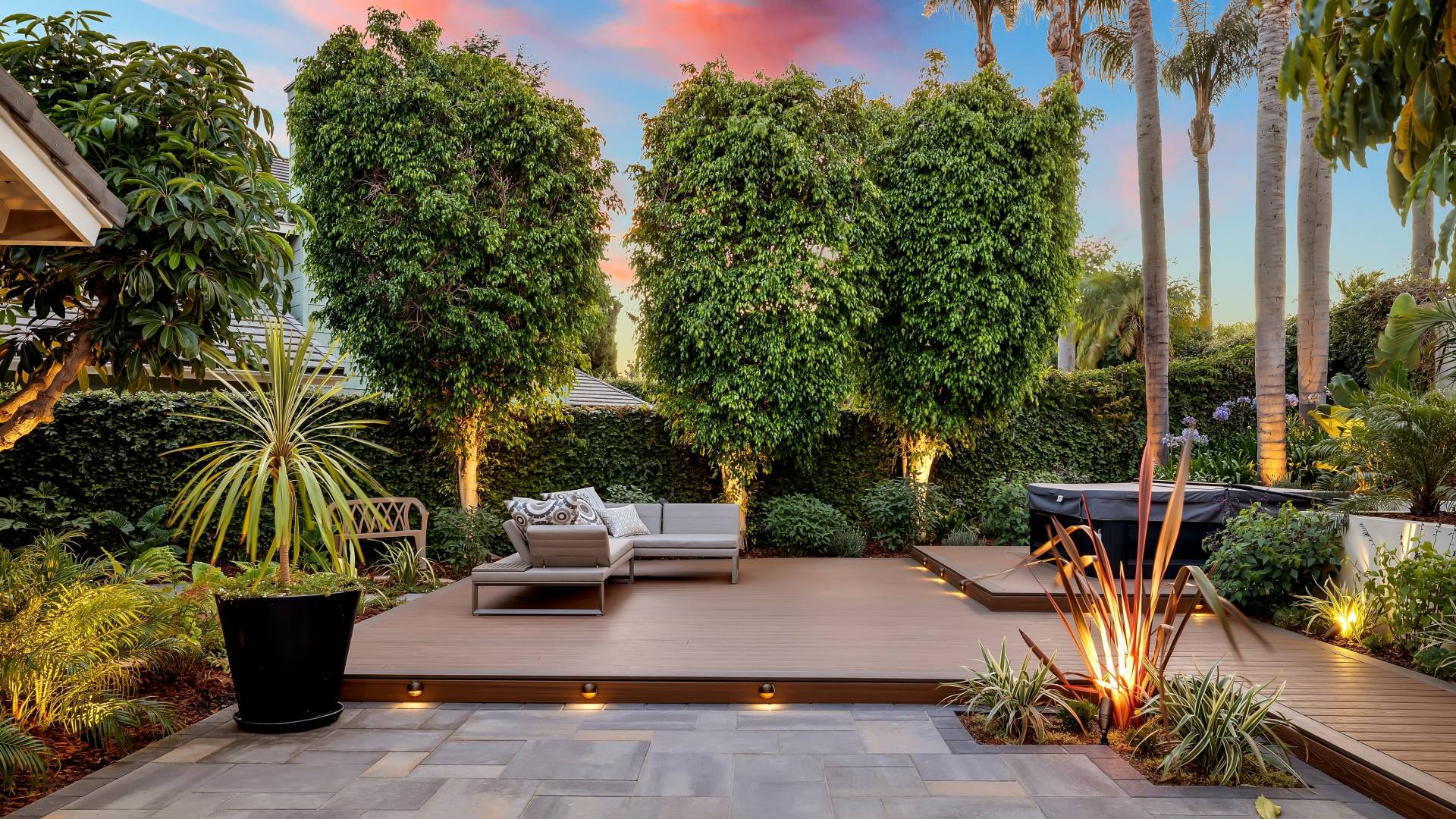
Key Takeaways
- Modern Indian garden design blends clean, contemporary lines with native plants that actually thrive in the local climate.
- Water-smart landscaping isn’t a trend in India’s varied climate zones, it’s a necessity.
- Hardscaping (pathways, planters, seating zones) does as much work as the plants themselves.
- Vertical gardens and container planting are game-changers for urban homes with limited outdoor space.
- Lighting, zoning, and year-round plant selection are what separate a good garden from a great one.
Indian homes have always had a relationship with outdoor spaces, from the tulsi plant in the courtyard to the mango tree shading a grandmother’s afternoon. But modern gardens look quite different today, and for good reason. If you’ve been wondering what the essential elements of a modern garden design in India are, the short answer is: a thoughtful mix of native plants, smart water use, defined zones, durable hardscaping, and lighting that brings the space to life after dark. Unlike Western garden trends that get imported wholesale, a well-designed Indian garden has to work with the heat, the monsoon, the dust, and the reality of urban plots that keep shrinking. Get those fundamentals right, and you’ll have an outdoor space that’s beautiful in February and still standing in June.
Start With the Right Plants – Native Always Wins
The single biggest mistake in Indian garden design is choosing plants based on how they look in a magazine photo rather than how they’ll perform in your city’s actual weather.
A garden in Chennai faces different challenges than one in Delhi or Pune. But across regions, native and climate-adapted plants consistently outperform exotic imports; they require less water and fewer chemicals and survive temperature swings without drama.
Some reliable choices across India’s major climate zones:
- Tropical/coastal (Mumbai, Chennai, Kochi): Heliconia, bird of paradise, bougainvillea, areca palm
- Semi-arid (Delhi, Jaipur, Nagpur): Ashoka tree, neem, lantana, plumbago
- Hilly/temperate (Bengaluru, Pune, parts of the Northeast): Hydrangea, ferns, peace lily, Japanese bamboo
Mixing a few statement plants with hardy ground cover keeps the garden looking intentional without requiring constant maintenance.
Hardscaping: The Bones of the Garden
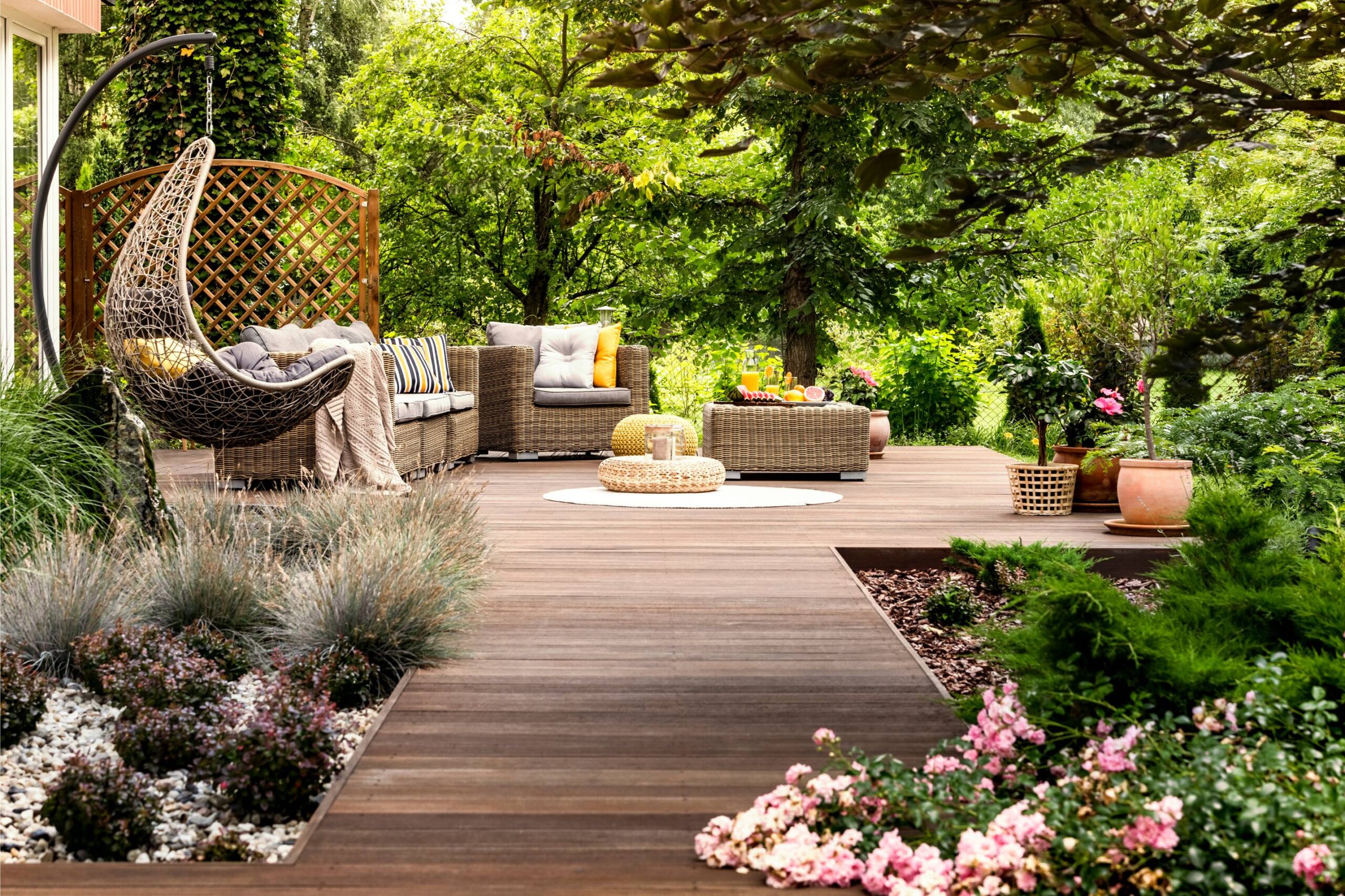
Plants get all the attention, but the non-living elements, pathways, raised planters, seating platforms, and boundary walls are what give a modern garden its structure and usability.
Good hardscaping does three things: defines zones, manages foot traffic, and adds visual interest during seasons when fewer plants are blooming.
Popular materials in contemporary Indian garden design include:
Kota stone and sandstone for pathways are durable, locally sourced, and don’t absorb as much heat as concrete slabs in summer.
Exposed brick or textured concrete for raised planters, which adds height variation and keeps plant roots protected from ground-level heat.
Wooden or WPC (wood-plastic composite) decking for seating areas, WPC in particular, handles India’s monsoon humidity far better than natural wood over time.
The goal is a layout that you’d enjoy even on a day when nothing is in bloom.
What Are the Essential Elements of a Modern Garden Design in India – Zoning Matters
A garden without zones feels like a room without furniture arrangement. Technically, it has everything, but nothing feels purposeful.
Think in three layers:
Activity zone — a seating or dining area, ideally with some overhead cover (a pergola, shade sail, or a large-canopied tree) for India’s long sunny months.
Green zone — your primary planting area, with a mix of heights: tall background plants, mid-level shrubs, and low ground cover or grass in the foreground.
Transition zone — pathways, gravel beds, or stepping stones that connect the zones and make the garden walkable and explorable.
Even a compact urban garden of 200–400 sq ft benefits from this simple three-part thinking.
Water Management: Designing for the Monsoon and the Dry Season
India doesn’t have one climate; it has six. And almost every part of the country swings between water surplus and water scarcity within the same year.
A modern garden plan accounts for both:
Drip irrigation for planters and flower beds cuts water use by up to 60% compared to hose watering and keeps moisture at the root level where it’s actually needed.
Rain gardens or gravel pits near the house perimeter help absorb monsoon runoff rather than letting it pool and damage foundations or waterlog roots.
Drought-tolerant ground cover, such as mondo grass, thyme, or dichondra, reduces the need for frequent watering between rainfalls.
If you’re designing from scratch, having a landscape professional map out drainage patterns before planting can save you real problems later.
Vertical Gardens and Container Planting for Urban Homes
For apartments, row houses, and compact independent homes, which now describe most urban Indian families, horizontal space is the limiting factor. Vertical gardens solve this elegantly.
A simple wall-mounted planter system with herbs (tulsi, mint, curry leaf, coriander) gives you a functional kitchen garden in under 10 square feet. Fern walls and money plant cascades add lush greenery without touching the floor.
Large containers are equally useful as they let you move plants seasonally, protect sensitive varieties from extreme summer heat by shifting them to shade, and bring instant greenery to terraces and balconies.
Lighting: The Element That Most Homeowners Add Last (and Shouldn’t)
Garden lighting gets treated as an afterthought. It shouldn’t be, especially in India, where evenings outdoors are practically a cultural institution for much of the year.
Three layers of lighting work well together:
Pathway lights (low, ground-level) for safety and gentle ambiance along walkways.
Uplights placed at the base of feature trees or architectural plants for dramatic effect after dark.
String lights or lanterns in the seating area for warmth and usability during evening gatherings.
Solar-powered garden lights have become genuinely reliable and affordable in India over the last few years, making this one of the easiest upgrades to add without running new wiring.
A garden designed for the Indian climate, not against it, will reward you with color, shade, and genuine outdoor living space for most of the year. The essential elements aren’t complicated: right plants, solid structure, smart water use, good zoning, and light. Put those together, and the space almost takes care of itself.
FAQs
Q 1: What are the essential elements of a modern garden design in India for small urban plots?
For compact spaces, focus on vertical gardens, container planting, and clean hardscaping. A well-defined seating zone with a small green wall and pathway lighting can transform even a 150 sq ft terrace into a usable garden.
Q 2: Which plants are best for a low-maintenance modern Indian garden?
Bougainvillea, neem, plumbago, areca palm, and native ground covers like mondo grass are reliable across most Indian climate zones. They handle heat, survive irregular watering, and need minimal intervention.
Q 3: Is drip irrigation necessary for an Indian garden?
Not strictly necessary, but highly recommended. It significantly reduces water bills, keeps plants healthier by delivering moisture to roots rather than leaves, and is especially valuable during dry season months.
Q 4: How do I design a garden that survives both summer heat and monsoon flooding?
Choose heat-tolerant plants, use raised beds to protect roots from waterlogging, install drip irrigation, and plan drainage pathways (gravel or rain garden zones) to manage monsoon runoff before it becomes a problem.
Q 5: Can I have a modern garden design on an apartment balcony?
Absolutely. Container plants, vertical wall planters, WPC decking, and string lights can create a fully functional and attractive garden on a balcony as small as 50–80 sq ft.