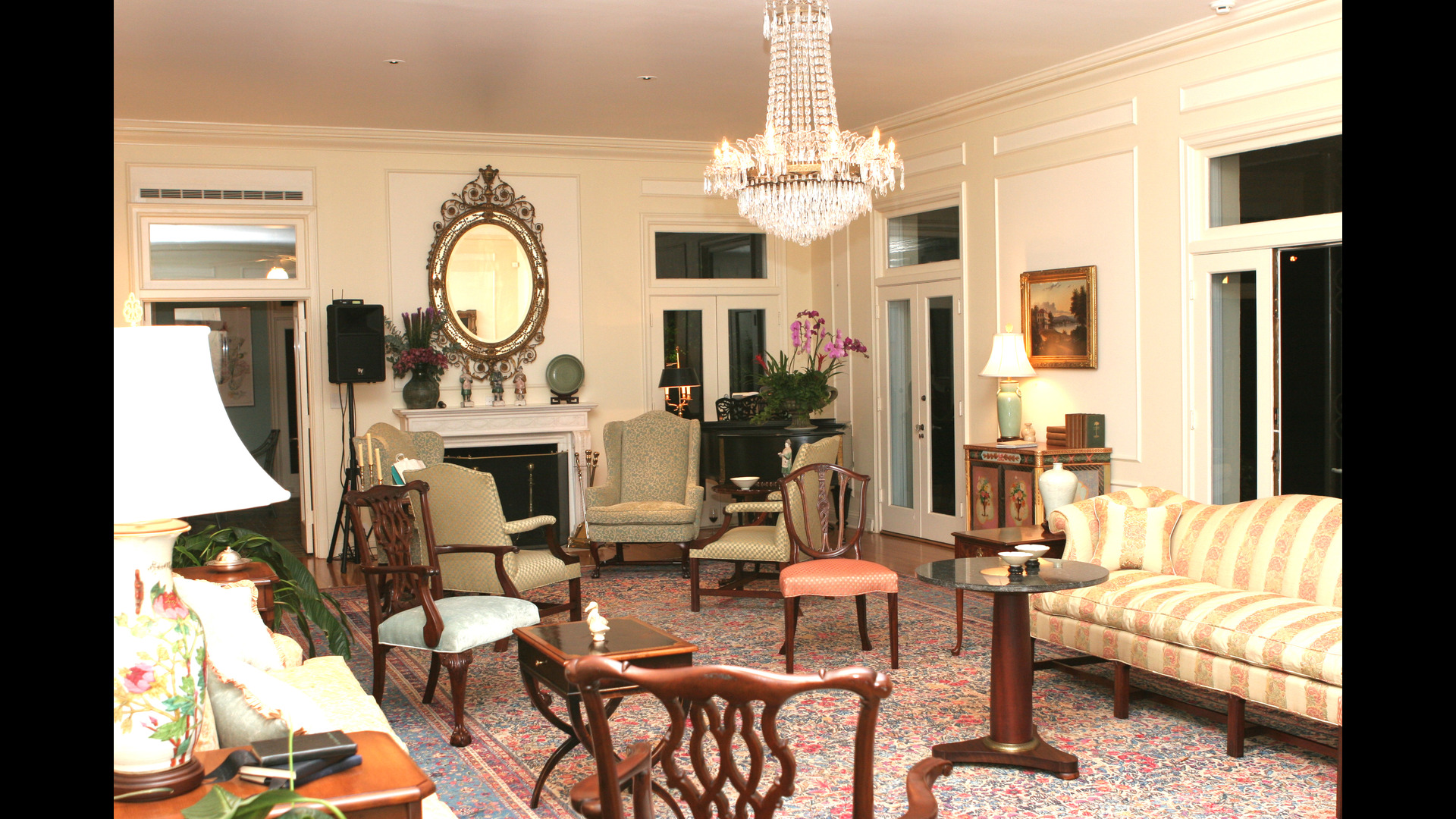
Key Takeaways
- Layered lighting (ambient + task + accent) is the foundation of a well-lit living room
- Always match fixture style to your existing interior theme
- Room size and ceiling height directly influence which fixtures work best
- Bulb type and colour temperature affect mood more than most people realise
- Dimmers are a simple upgrade that completely transform how a space feels
Most people pick a living room light the same way they pick a pizza topping. Quickly, without much thought, and then live with regret. The truth is lighting can make or break a space. A beautifully furnished living room with poor lighting will always look flat. And a modest room with layered, well-chosen lights can feel warm, intentional, and expensive.
If you have been wondering how to choose the right lighting fixtures for living room interiors, this guide breaks it down simply so you can make a confident decision.
Start With the Function, Not the Fixture
Before you browse catalogues or scroll through Instagram mood boards, ask yourself what your living room actually does. Is it purely a place to relax and watch TV? Do you work or read there? Do you host guests often?
Different activities need different kinds of light. A room used for movie nights needs soft, dimmable ambient light. A reading corner needs focused task lighting. A room that doubles as an entertainment space needs layers of both.
Once you are clear on how the space is used, choosing fixtures becomes a lot easier because you know exactly what job each light needs to do.
Understand the Three Layers of Lighting
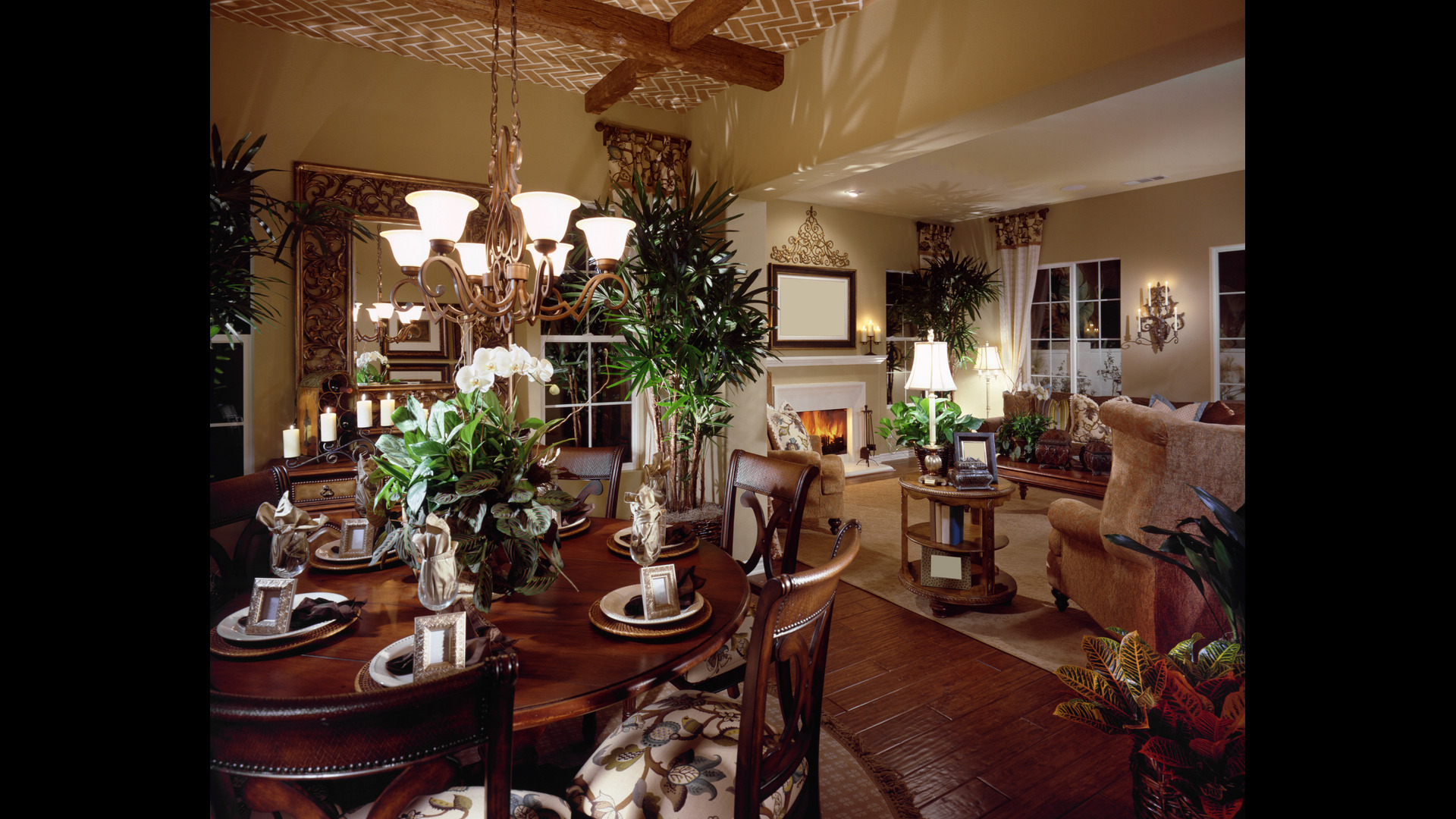
Good interior lighting is almost never one fixture doing all the work. It is usually three layers working together.
Ambient lighting is the base layer. It fills the room with general light. This is usually your ceiling fixture, a chandelier, or recessed lights.
Task lighting is focused and functional. Floor lamps near a reading chair or a table lamp on a side table fall into this category.
Accent lighting adds depth and drama. Wall sconces, LED strips behind a TV unit, or a spotlight on a piece of artwork all count as accent lighting.
Most living rooms that feel incomplete are missing one of these three layers. Getting all three right is what gives a room that polished, designer look.
How to Choose the Right Lighting Fixtures for Living Room Interiors Based on Room Size
Room size matters more than people think when selecting fixtures.
For small living rooms, bulky chandeliers or oversized pendants will feel suffocating. Flush-mount ceiling lights, slim track lights, or a single statement floor lamp work much better. The goal is to add light without adding visual weight.
For large living rooms, one ceiling light in the centre will leave the corners feeling dark and the space feeling cold. Multiple light sources spread across the room, a central chandelier paired with floor lamps and wall sconces, create warmth and balance.
Ceiling height is equally important. Low ceilings need flush or semi-flush fixtures. Rooms with high ceilings can handle dramatic pendant lights or a statement chandelier without the space feeling cramped.
Match the Fixture Style to Your Interior
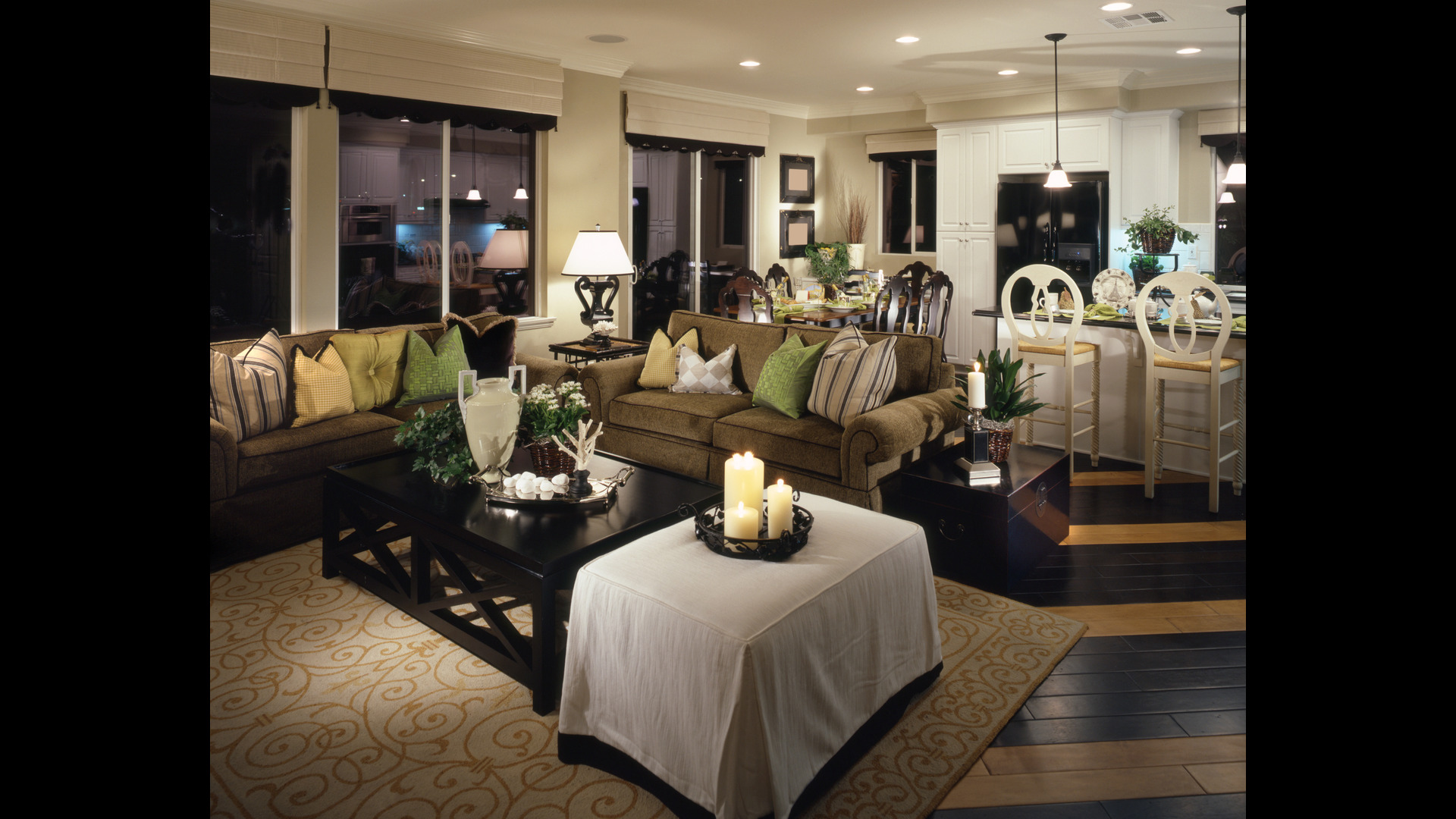
A sleek matte black pendant light looks stunning in a modern minimal living room. Put it in a room full of wooden textures and earthy tones and it will feel out of place.
The fixture should feel like it belongs, not like it was added as an afterthought. For traditional or classic interiors, look at warm brass or antique finishes. For contemporary or Scandinavian styles, clean lines and muted metals work well. For eclectic or bohemian spaces, rattan, woven, or vintage-inspired pieces add character.
You do not need every light in the room to match perfectly. But they should all belong to the same design language.
Do Not Ignore Bulb Colour Temperature
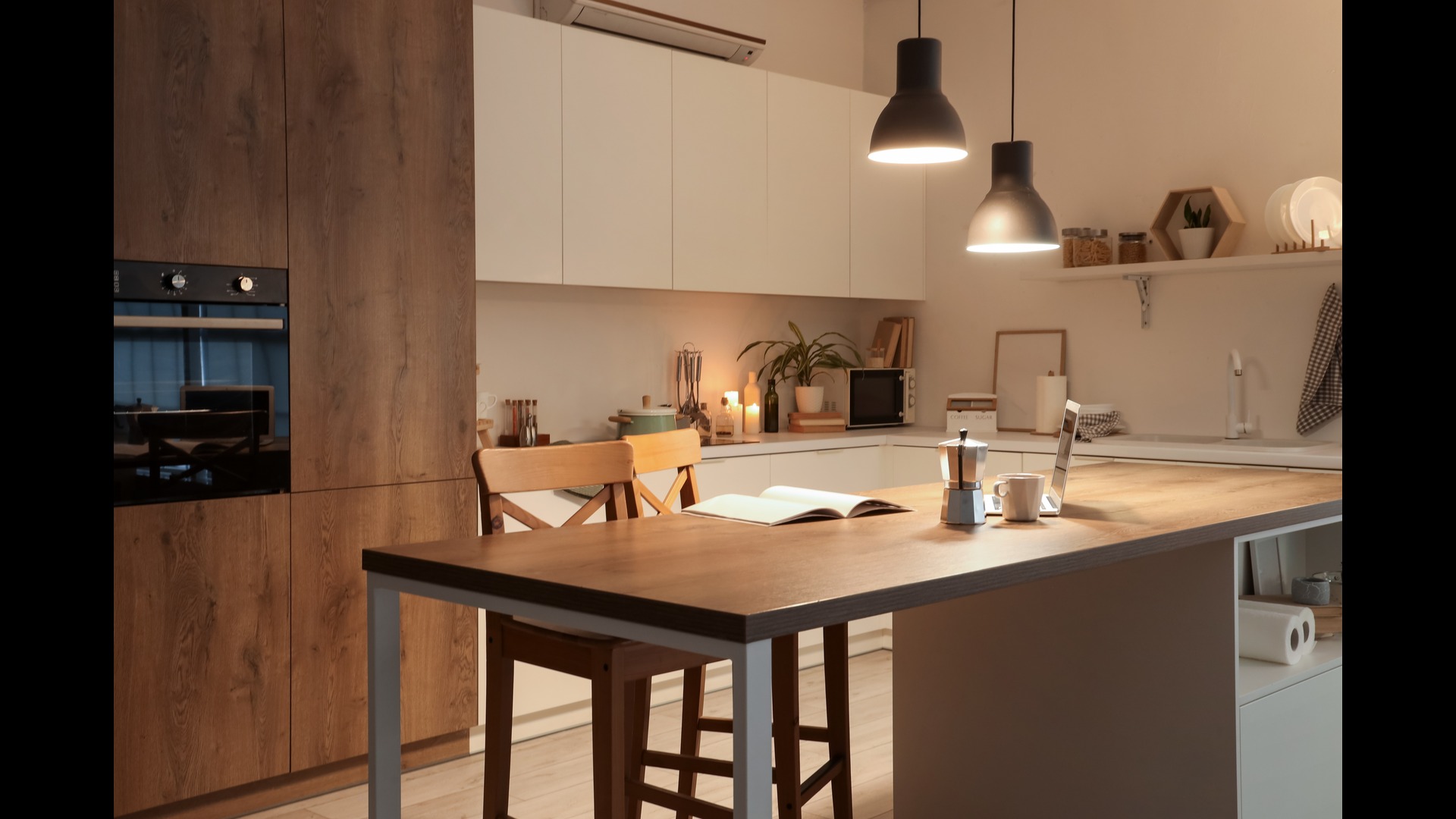
The fixture is only half the equation. The bulb decides the mood.
Colour temperature is measured in Kelvin. Warm white (2700K to 3000K) creates a cosy, relaxed atmosphere and suits most living rooms well. Cool white (4000K and above) feels clinical and is better suited for kitchens or offices.
If your living room feels too harsh or too dim, the bulb is usually the first thing worth changing before you replace any fixture.
Add a Dimmer Switch
This is one of the most underrated upgrades in home lighting. A dimmer switch gives you full control over the mood of your living room at any time of day. Bright when you need clarity, soft when you want to wind down.
Most modern fixtures are dimmer-compatible. If yours are not, it is worth switching.
FAQ
Q 1. What type of lighting is best for a living room?
A combination of ambient, task, and accent lighting works best. No single fixture can do everything a living room needs.
Q2. How many light sources should a living room have?
At minimum, three to four sources are ideal: a ceiling fixture for ambient light, one or two lamps for task or accent light, and optionally, wall sconces or LED strips for depth.
Q3. What colour temperature is best for living room lighting?
Warm white, between 2700K and 3000K, is the most flattering and comfortable for living spaces.
Q4. Can I use a ceiling fan with a light in the living room?
Yes, and it is a practical choice. Just make sure the fan size is proportionate to the room and the light kit offers enough brightness to serve as ambient light.
Q5. How do I make a small living room look bigger with lighting?
Use vertical light sources like floor lamps or wall sconces to draw the eye upward. Avoid heavy overhead fixtures and keep the lighting layered and soft.